Lust Goddess
Play Lust Goddess
Lust Goddess Screenshots

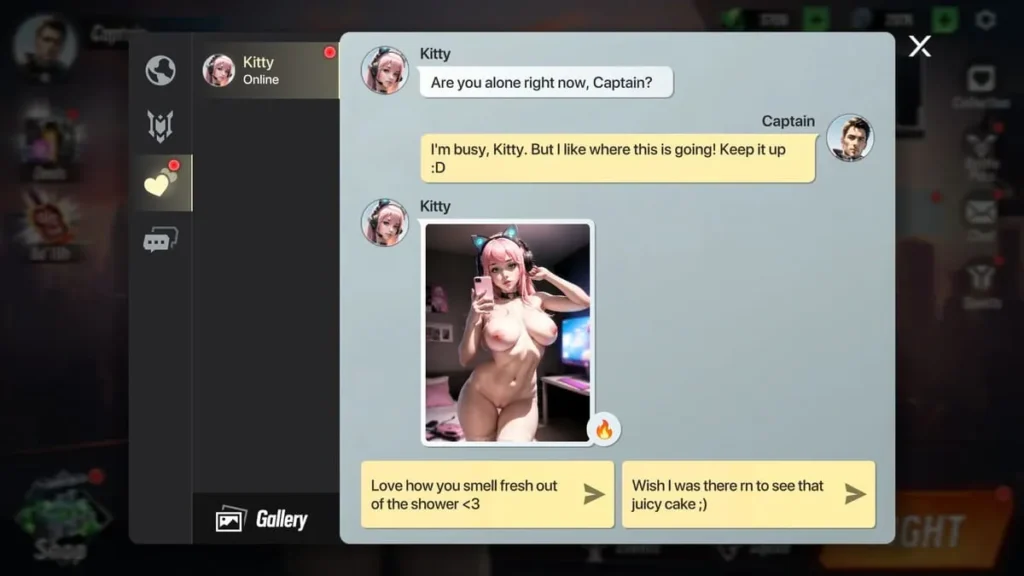

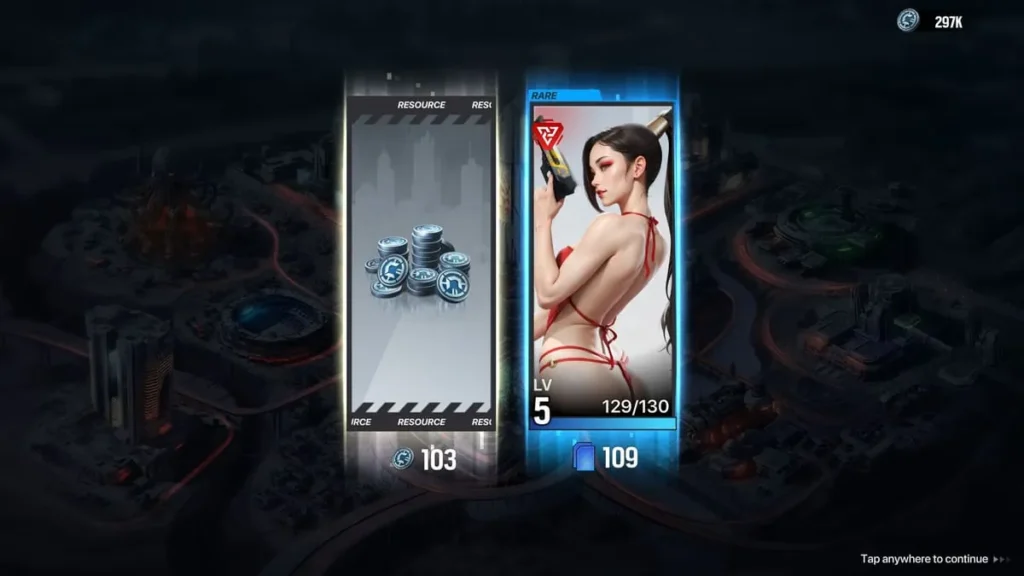

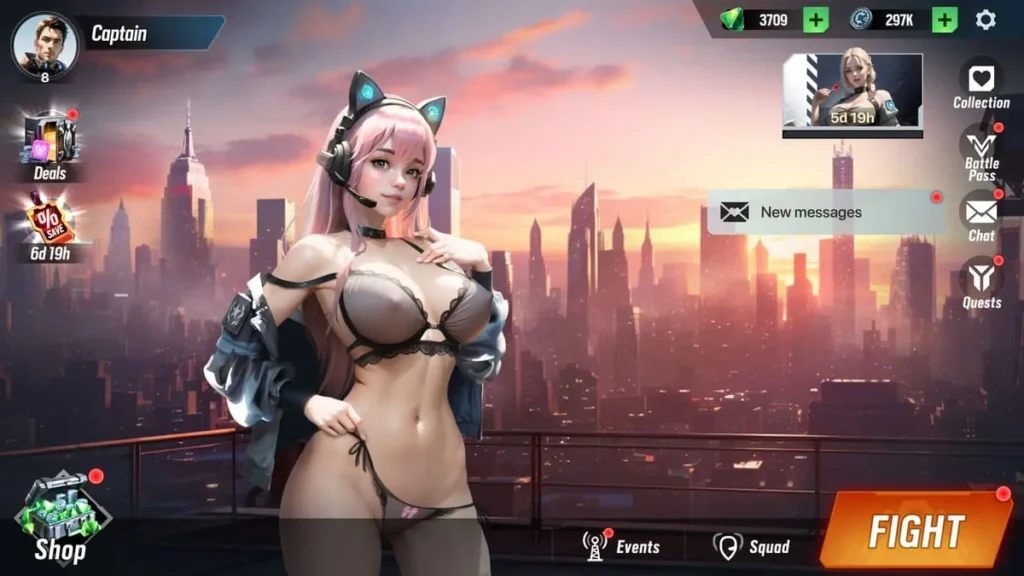



Lust Goddess review
A comprehensive guide to understanding the mobile strategy game’s core systems and player experience
Lust Goddess is a mobile strategy game available on Steam that combines card collection, character progression, and tactical battle systems. The game features a gacha-style summoning system, league-based matchmaking, and various gameplay mechanics that appeal to players interested in strategy and character collection games. This guide explores the core mechanics, gameplay systems, community feedback, and what players should know about the game’s structure and progression systems.
Core Gameplay Mechanics and Battle Systems
Ever find yourself staring at your phone screen, watching your beautifully assembled team in Lust Goddess get utterly dismantled in a battle you were sure you’d win? 😤 I’ve been there. You’ve spent hours tweaking your formation, leveling your favorite characters, and then… defeat. Often, the culprit isn’t your team’s strength, but a misunderstanding of the game’s deep, interlocking core gameplay mechanics. Let’s pull back the curtain. This chapter is your master key to the Lust Goddess battle system, the strategic heart of the game that separates casual players from league champions.
We’ll break down everything from the nuance of manual control versus auto-battle mechanics to the grand chessboard of the league system matchmaking. I’ll share the hard-earned lessons from my own journey—like the time I wasted a week’s worth of resources leveling the wrong character—so you can avoid the same pitfalls. By the end, you’ll not only understand how to fight but how to grow stronger smarter, mastering card collection progression and the all-important character leveling in Lust Goddess.
Understanding the Battle System and Auto-Battle Features
At first glance, battles in Lust Goddess seem straightforward: your team of five faces off against an enemy team, abilities fire off, and a victor emerges. But this simplicity is deceptive. The true Lust Goddess battle system is a dynamic puzzle where positioning, timing, and resource management collide.
The battlefield is divided into front and back rows. Tanks and bruisers belong up front to absorb damage, while fragile damage dealers and supports hide in the back. Where you place a unit is your first and most crucial strategic decision. An assassin placed in the back row might be safe initially, but many of their skills require them to be upfront to leap onto enemy backlines—putting them in the wrong spot makes them useless.
This is where the gap between auto and manual play becomes a canyon. The auto-battle mechanics are competent at handling basic ability rotation, but they are brainless about strategy. They will use your Commander’s ultimate ability the moment it’s available, even if it’s wasteful overkill on a nearly dead enemy while a fresh, full-health foe is charging up a devastating attack. Manual control of commander abilities gameplay is where you seize victory from the jaws of defeat.
My biggest “aha!” moment was during a crucial league promotion match. My auto-battle kept losing. I switched to manual, saved my Commander’s area-of-effect stun for the exact moment the enemy team clustered together, and won the fight with half my team still standing. It changed everything.
Let’s talk about those Commander abilities. Your Commander isn’t just a fancy avatar; they’re a sixth unit on the field with game-changing skills. These can be direct damage nukes, team-wide shields, healing waves, or crowd control like stuns and silences. The commander abilities gameplay revolves around energy management. You gain energy steadily during battle and in chunks when your units take damage or land blows. Using an ability at the right time is everything.
Here are the key differences between letting the AI take the wheel and steering yourself:
- Ability Timing: Auto-battle uses abilities on cooldown. Manual play lets you hold key abilities to interrupt enemy ultimates, secure killing blows, or save a low-health ally.
- Target Selection: The AI picks targets semi-randomly. Manually, you can focus fire on the enemy’s key damage dealer or weakest support to break their team synergy.
- Resource Awareness: Auto ignores energy pacing. Manual play allows you to pool energy for a devastating combo of multiple abilities back-to-back.
- Formation Adaptation: The AI uses a static approach. A human can make mid-fight adjustments by repositioning units or changing ability priorities based on how the battle unfolds.
Think of the auto-battle mechanics as your reliable training wheels—perfect for farming easy stages or daily missions where your power vastly overmatches the enemy. But for any content that is even remotely challenging, like climbing the Arena, tackling campaign bosses, or winning in the League, manual control is non-negotiable. It’s the difference between playing a game and mastering it.
League System and Matchmaking Explained
Once you’ve got a handle on battles, you’ll want to test your mettle against other players. This is where the league system matchmaking comes in, serving as the game’s competitive backbone and your primary engine for long-term growth. It’s not just a ladder; it’s an entire ecosystem with its own rules and rewards.
You start in the beginner leagues and fight your way up through tiers like Bronze, Silver, Gold, and beyond. Your progression is gated by Trophies—win matches to gain them, lose matches to shed them. But here’s the critical insight that isn’t explained well in-game: the game doesn’t just match you based on your Trophy count. It uses a hidden metric often called “combat power” or “team strength.”
The league system matchmaking algorithm tries to create fair fights by pairing you with opponents who have a similar collective power level to your top team. This has a massive implication: power inflation without strategy can hurt you. I learned this the hard way. I blindly leveled up every character I had to their max level, skyrocketing my team’s power score. Suddenly, I was being matched against players in a higher league who had focused their resources. Their teams were leaner, meaner, and built with synergy, while my bloated power score was a paper tiger. I was outmatched every time.
This brings us to enemy scaling. As you increase your team’s power—whether through character leveling in Lust Goddess, upgrading cards, or improving gear—the game’s PvE (Player vs Environment) content and your PvP opponents will scale in difficulty accordingly in many modes. It’s a check against mindless grinding. The goal isn’t to have the biggest number; it’s to have the most effective number.
Your League tier is the single most important factor for your overall card collection progression. Higher leagues don’t just offer better daily rewards; they fundamentally increase the quality of everything you earn. The crate you get for a win in a Gold league has drastically better potential loot than the same crate in Silver. This creates a powerful, self-reinforcing loop: play well to reach a higher league → get better rewards from that league → use those rewards to build a stronger team → compete for an even higher league.
The table below shows just how dramatic the league-based progression differences can be:
| League Tier | Approximate Card Drop Rate (Rare+) | Character EXP & Gold Modifier | Key Progression Impact |
|---|---|---|---|
| Bronze | Base Rate | 1x Speed | Slow, steady unlocks. Focus on building a core team. |
| Silver | +25% | 1.5x Speed | Start seeing more usable cards. Can afford to level secondary units. |
| Gold | +50% | 2x Speed | Major boost. Farming for specific card upgrades becomes viable. |
| Platinum & Above | +100% or more | 3x Speed+ | End-game territory. Allows for deep roster development and experimentation. |
As you can see, pushing your league isn’t just for bragging rights; it’s the most effective way to accelerate every aspect of your account. Every battle you fight on the ladder is an investment in your future growth. 💎
Card Collection and Character Progression
Your journey in Lust Goddess is ultimately the story of your collection. The card collection progression system is how you acquire new characters and, more importantly, empower the ones you have. Let’s demystify how you build your roster and the smart way to manage character leveling in Lust Goddess.
New characters primarily come from the summoning system, which uses a premium currency or special tickets. Rates are publicly posted, and they are—let’s be honest—notoriously generous for common units and quite stingy for the top-tier legends. This is the first major fork in the road between free-to-play (F2P) and spending players. A spender can aggressively “pull” for a specific new character upon release. As a F2P player, your strategy must be patience and resource hoarding. Wait for guaranteed events or “pity” systems that reward you with a top-tier card after a set number of summons.
But here’s the crucial twist tied directly to the league system: where you summon matters. Many players don’t realize that the summoning pool and rates can be subtly improved in higher leagues. That “premium summon” button might have a slightly better chance of dropping elite cards when you’re in Diamond league compared to when you were in Gold. It’s the game’s way of rewarding dedicated, skilled players beyond just the daily crate. This makes your climb through the league system matchmaking even more valuable.
Once you have a card, the real work begins. Character leveling in Lust Goddess is a multi-layered process:
1. Base Level: Increased using Experience items. This is the easiest gate and is mostly limited by how many resource missions you run.
2. Card Stars/Ranks: This is the primary long-term grind. You need duplicate cards of a character to increase their star rank. Each rank unlocks significant stat boosts and sometimes new abilities. This is why focusing on a core team is vital—spreading your duplicate cards too thin leaves everyone weak.
3. Gear and Runes: Equippable items that provide stat boosts and set bonuses. These require their own separate farming loops.
All of this progression is deliberately gated by various crate cooldown systems. You don’t just farm infinitely. Whether it’s the crates you earn from league victories, the chests that contain summoning tickets, or the loot boxes from events, they almost always have a timer or a daily open limit. 🕐 This controls the speed at which even the most dedicated player can advance, ensuring the game’s economy stays stable. For example, you might win 20 league battles in a day, but you can only hold 3 victory crates at a time, each taking 4 hours to unlock. This mechanic teaches you to log in regularly to manage these timers—it’s a core part of the daily gameplay loop.
For F2P players, understanding and respecting these cooldowns is essential. Your progress will be a marathon, not a sprint. Plan your resource spending around events that offer bonus rewards. Focus on building one powerful team that can carry you up the leagues, as that is your fastest ticket to better rewards across the board. Spenders can bypass some of these timers with premium currency, accelerating the card collection progression and character leveling dramatically, but even they cannot fully escape the need for strategic planning and duplicate card farming.
Mastering the Lust Goddess battle system, navigating the league system matchmaking, and optimizing your card collection progression are three sides of the same strategic coin. They feed into each other, creating a deeply engaging loop of combat, reward, and growth. Remember, power is not just about having the shiniest new character; it’s about understanding how to use them within the game’s intricate frameworks. Now, go put that knowledge to the test, climb those leagues, and build the team of your dreams
Lust Goddess presents a strategy game with solid core mechanics centered on card collection, character progression, and tactical battles. The game’s league system, battle mechanics, and progression systems offer engaging gameplay for strategy enthusiasts, though community feedback highlights concerns about monetization barriers, summoning rates, and progression pacing. Understanding the distinction between free-to-play and spending player experiences is crucial for new players evaluating whether the game aligns with their preferences. The community remains engaged with constructive suggestions for improvement, particularly regarding crate accessibility, summoning frequency, and battle system mechanics. Whether Lust Goddess suits your gaming style depends on your tolerance for gacha mechanics, preference for strategy-based gameplay, and comfort with the current monetization structure. Exploring the game directly and engaging with the community can help you determine if it matches your gaming interests.