
Casey’s Fall
Play Casey’s Fall
Casey’s Fall Screenshots

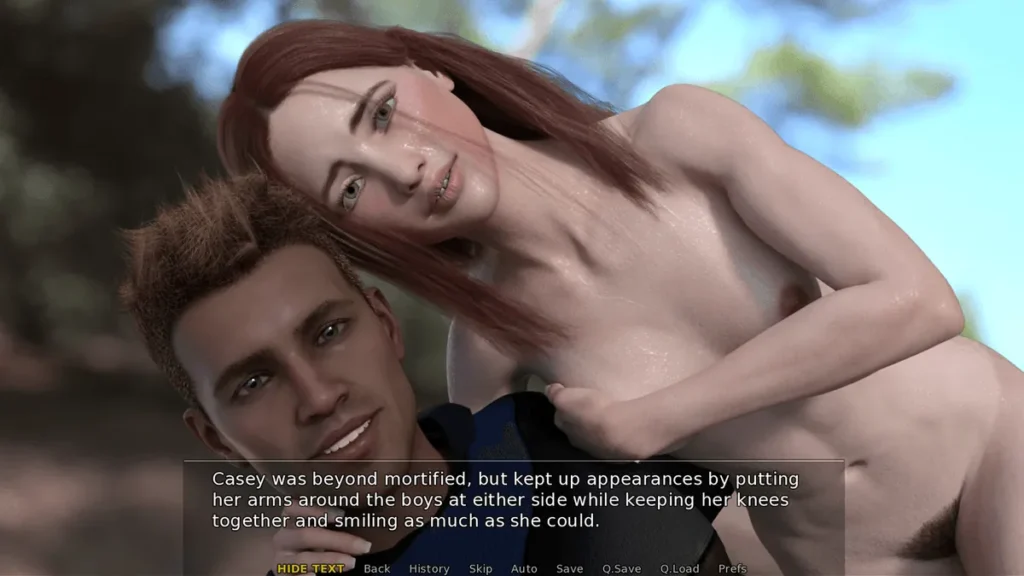
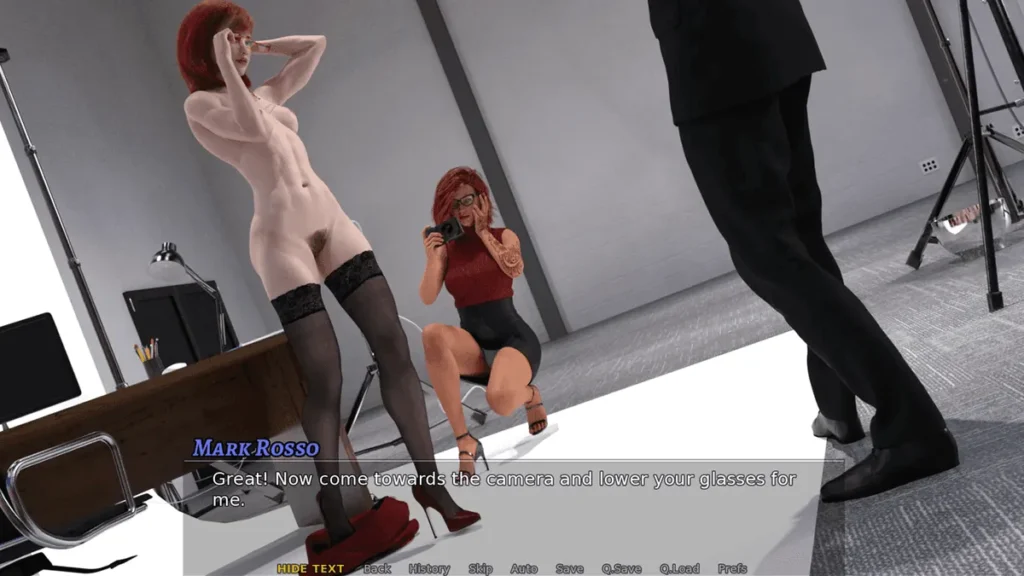


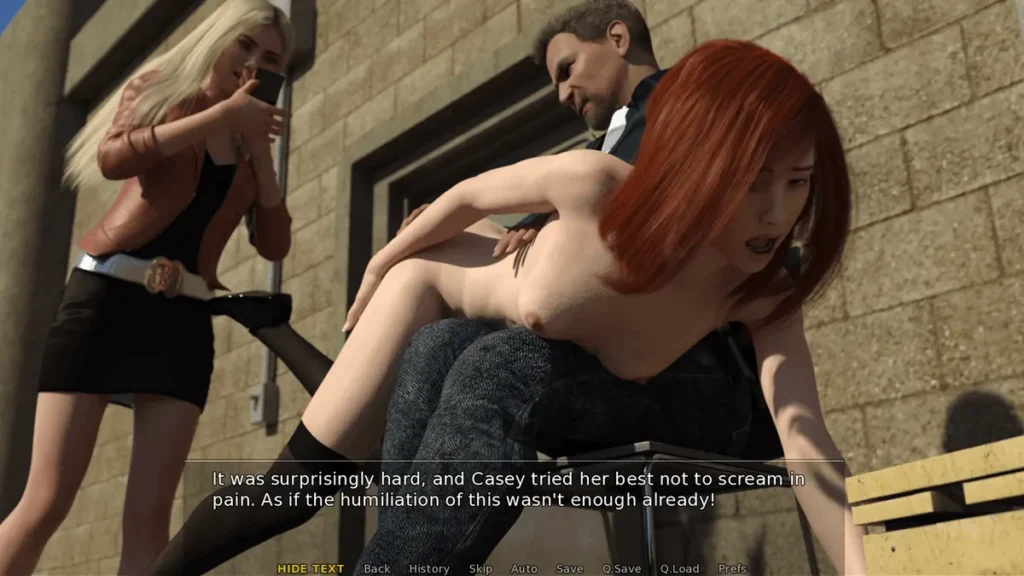


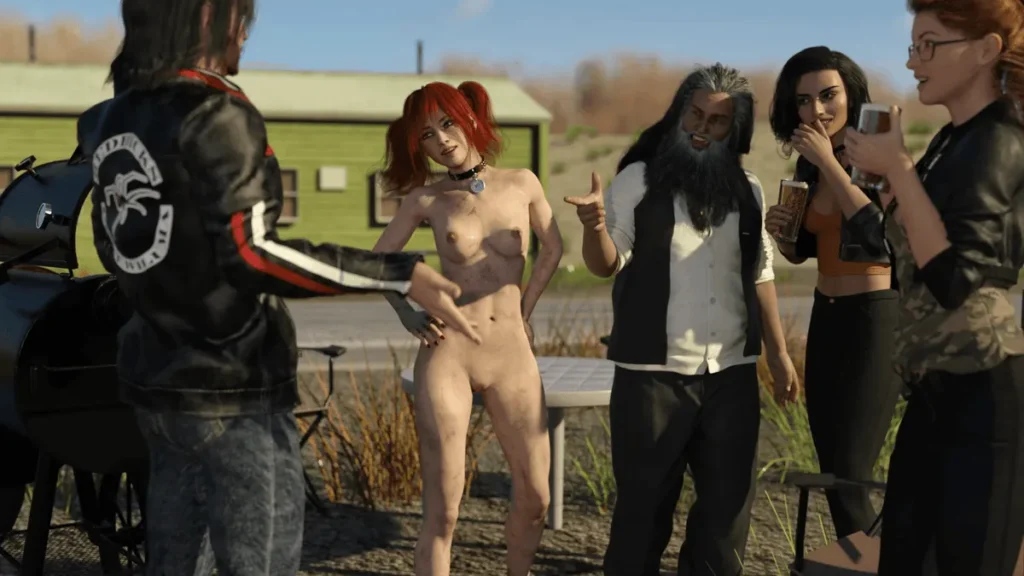

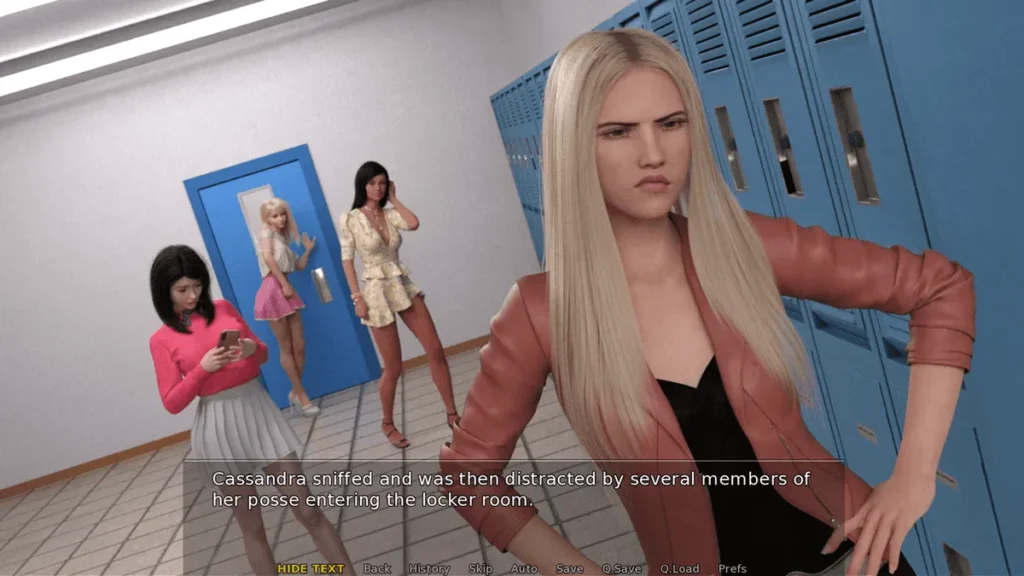

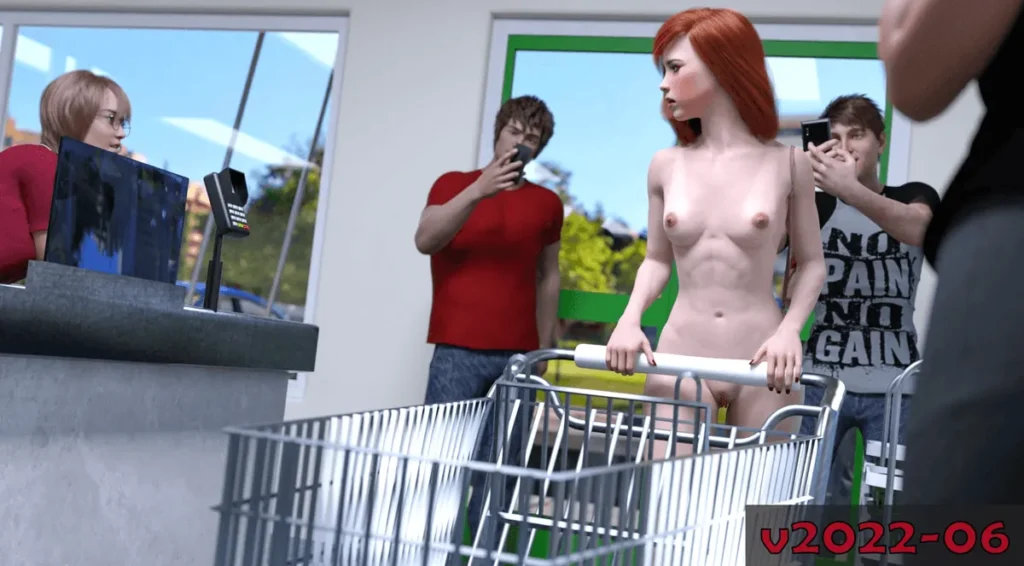
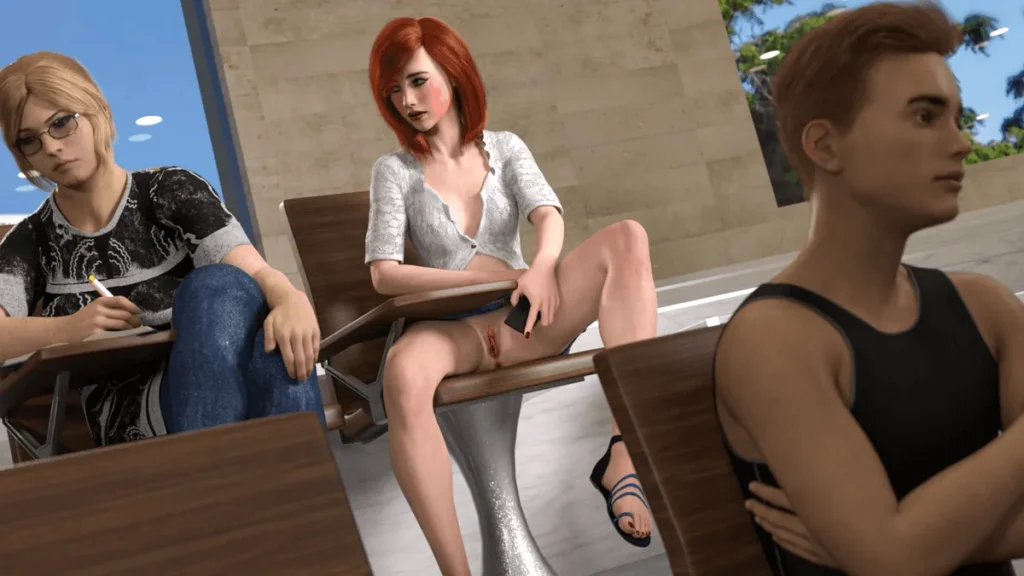







Casey’s Fall review
Explore the immersive narrative experience of this kinetic visual novel
Casey’s Fall stands out as a distinctive kinetic visual novel that immerses players in a complex narrative centered on protagonist Casey Reine. Developed by Sakrilas and VelcroFist, this game presents a thought-provoking story set in a fictional world with unique legal frameworks. The narrative explores themes of coercion, personal agency, and survival within an unconventional society. Whether you’re curious about the game’s mechanics, storyline depth, or thematic elements, this comprehensive guide covers everything you need to know about this compelling interactive experience.
Understanding Casey’s Fall: Story, Setting, and Core Narrative
Let’s be honest, most of us have played a game where the story feels like an afterthought. You’re clicking through dialogue just to get back to the action, and the characters are as deep as a puddle. 🥱 I know I’ve been there. But every once in a while, you stumble into a narrative experience that grabs you by the collar and doesn’t let go, making you rethink what a game can make you feel. That’s exactly what happened to me with Casey’s Fall.
This isn’t your typical power fantasy. It’s a tense, psychological dive into a world of coercion and vulnerability. The Casey’s Fall story is a masterclass in using its fictional setting to amplify real, human fear. To truly appreciate it, we need to peel back the layers, starting with the person at the heart of the storm: Casey Reine.
The Protagonist and Central Conflict 😨
Meet Casey Reine. She isn’t a superhero, a seasoned detective, or a chosen one. She’s a tech student—someone you might pass on campus and not think twice about. This ordinariness is her greatest strength as a character. When we first meet her, she’s relatable: smart, a bit stressed about her future, and navigating the complexities of young adulthood. The Casey Reine character is designed for empathy, not admiration.
This makes the inciting incident all the more devastating. Casey becomes the victim of a meticulous, ruthless blackmail scheme. A private, intimate moment is captured and weaponized against her. The threat is simple and brutal: comply with the blackmailer’s demands, or her life will be publicly dismantled. This setup transforms the Casey’s Fall plot from a simple mystery into a profound psychological study.
The blackmailer, known only through chilling messages and unwavering control, is a specter of modern anxiety. We live in a digital age where our private selves can become public currency in an instant. The game taps directly into that primal fear. The antagonist’s motivations are deliberately opaque, which makes them even more terrifying. It’s not about a grand vendetta against Casey personally; she is a means to an end, a random target caught in a cruel system. This randomness makes the blackmail narrative game feel frighteningly plausible.
What makes Casey’s journey so compelling is her transformation. We don’t guide her choices, but we witness every shaky breath, every moment of paralyzed fear, and the slow erosion of her autonomy. The storytelling forces you to sit with her powerlessness, making her occasional flashes of defiance feel like monumental victories. The visual novel storyline is laser-focused on this intimate, crushing perspective.
| Narrative Element | In Casey’s Fall | Traditional Choice-Based Game |
|---|---|---|
| Player Agency | None (Kinetic). You are an observer to a fixed story. | High. Your choices branch the plot and change outcomes. |
| Character Focus | Deep, psychological portrait of one character under duress. | Often broader, focusing on a party or multiple relationships. |
| World-Building Role | Active antagonist. The setting’s laws are the source of conflict. | Often a backdrop or stage for the player’s adventures. |
| Thematic Core | Powerlessness, coercion, and the value of consent in a perverse system. | Often empowerment, heroism, or consequence of choice. |
World-Building and Unique Legal Framework ⚖️
Now, here’s where the Casey’s Fall story transcends a simple crime thriller. The blackmail plot is terrifying on its own, but the game places it within a fictional society that has institutionalized the very tools of the blackmailer’s trade. This isn’t our world. In this setting, two shocking concepts are legal: registered public nudity and indentured slavery.
Let that sink in for a moment. The society in Casey’s Fall has created a bureaucratic framework for what we would consider profound violations of personhood. This isn’t just “dark” world-building for shock value. It serves a critical narrative purpose. The blackmailer isn’t just threatening to leak a photo; they are threatening to use the full, legal machinery of the state against Casey. They can force her into a system of public exposure or contractual servitude, all with the stamp of governmental approval.
This unique legal framework is the engine of the game’s tension and moral complexity. It removes the “easy way out.” In our world, a blackmail victim might go to the police. In Casey’s world, going to the authorities could mean legitimizing the threat against her. The laws themselves are the villain’s greatest weapon. This creates an incredible sense of claustrophobia—there is no safe harbor, no institution designed to protect her.
The genius of this setting is that it makes the unspeakable mundane. It forces both Casey and the player to grapple with a horrifying “normal.”
The perversity of this world directly fuels character development. Casey isn’t just fighting a person; she’s fighting an entire accepted social order. Her despair, her rage, and her resilience are all measured against this grotesque backdrop. Her struggle becomes more than personal survival; it becomes a quiet, desperate rebellion against a system that sees people as commodities. This depth is what separates a great interactive fiction experience from a simple storybook.
Narrative Structure and Player Experience 🎭
This brings us to the most crucial aspect of how this story is delivered: it’s a kinetic visual novel. Let’s break down what that truly means, because it’s central to the experience. Unlike most visual novels or interactive fiction, a kinetic novel offers no branching paths, no dialogue choices, and no alternative endings. The story is linear, like a novel you watch and listen to unfold.
You might be thinking, “Why remove choice from a video game?” I had the same question at first. But after playing, I realized this was a deliberate and powerful artistic decision. By removing your agency as a player, the game perfectly mirrors Casey’s own stripped-away agency within the story. You cannot save her. You cannot outsmart the blackmailer. You are along for the ride, forced to witness events you cannot change. This creates a profound sense of empathy and shared helplessness that a choice-based game could rarely achieve.
The kinetic visual novel format allows the writers to craft a meticulously paced, psychologically coherent arc. Every beat of anxiety, every moment of false hope, and every crushing setback is carefully orchestrated for maximum emotional impact. The Casey’s Fall plot unfolds with the precision of a thriller film, knowing exactly when to tighten the screws and when to offer a gasp of air. This controlled pacing is something that can get diluted in games where players might accidentally stumble into a less tense narrative branch.
So, what is the player experience? It is one of immersive witnessing. Your interaction is one of attention and emotional investment. You click to proceed, to lean closer into Casey’s thoughts, to see the next beautifully rendered piece of art that conveys her isolation or fear. The interactive fiction experience here is about engagement, not manipulation. You are not steering the ship; you are locked in the hold with Casey, feeling every wave and storm.
The thematic weight this allows is immense. The writing in this blackmail narrative game can explore the nuances of coercion, consent, and trauma without the distraction of “gamey” solutions. It asks hard questions: What do you do when all your options are bad? What does resistance look like when the system is designed to break you? The story doesn’t provide easy answers, but it ensures you feel the weight of the questions deep in your gut.
In the end, understanding Casey’s Fall is about understanding its commitment to a singular, powerful vision. It uses its unsettling world to hold a mirror to real-world anxieties about privacy and power. It uses its unflinching kinetic visual novel format to make you a companion in distress, not a savior. And through the expertly crafted Casey Reine character, it delivers a visual novel storyline that is less about “winning” and more about enduring, understanding, and ultimately, witnessing a story that will stick with you long after the final screen fades to black. ✨
Casey’s Fall represents a distinctive entry in interactive fiction, combining compelling narrative design with thoughtful thematic exploration. The game’s kinetic visual novel format allows players to experience a fully realized story without the pressure of choice-making, creating an immersive journey through Casey Reine’s complex situation. With strong community reception, professional ratings, and a dedicated player base exceeding 425,000 plays, the game demonstrates the appeal of well-crafted storytelling in the adult gaming space. The developers’ focus on narrative quality, character development, and thematic depth rather than explicit content has resonated with players seeking meaningful interactive experiences. Whether you’re interested in visual novels, narrative-driven games, or exploring unique storytelling approaches, Casey’s Fall offers a compelling experience worth exploring.