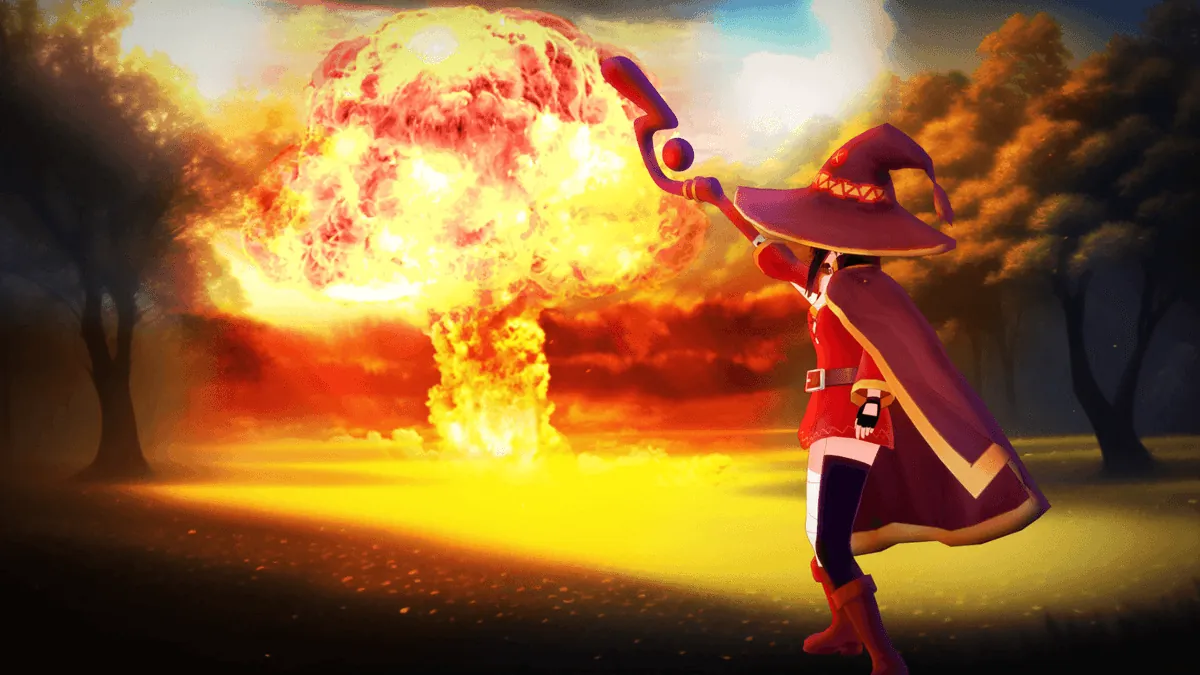
Adventurer Trainer
Play Adventurer Trainer
Adventurer Trainer Screenshots
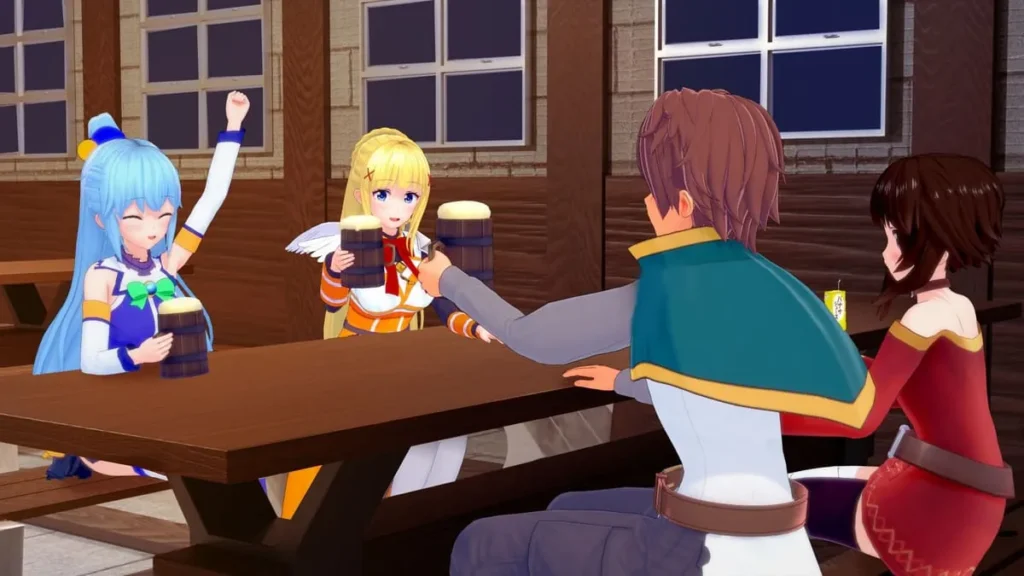


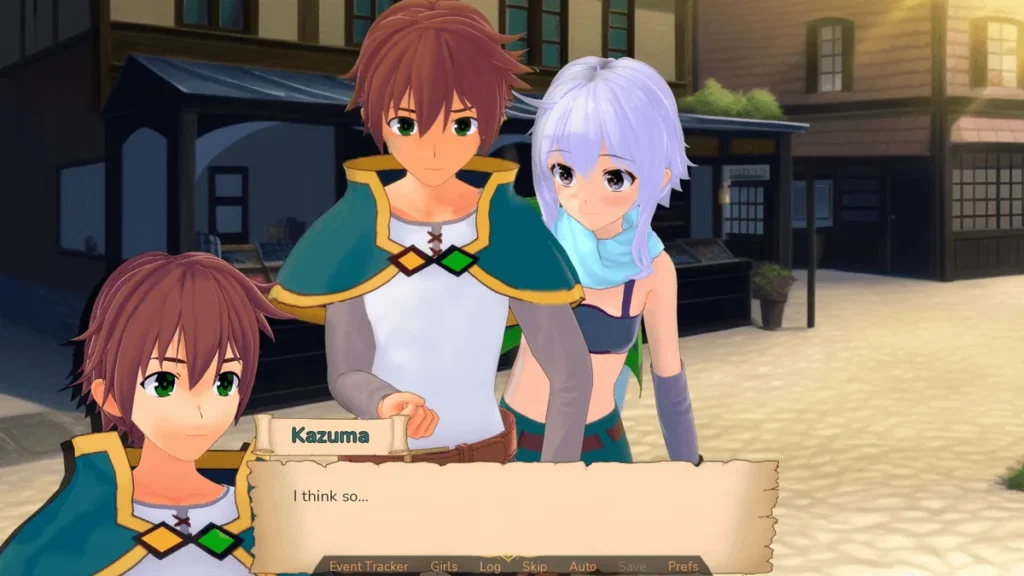
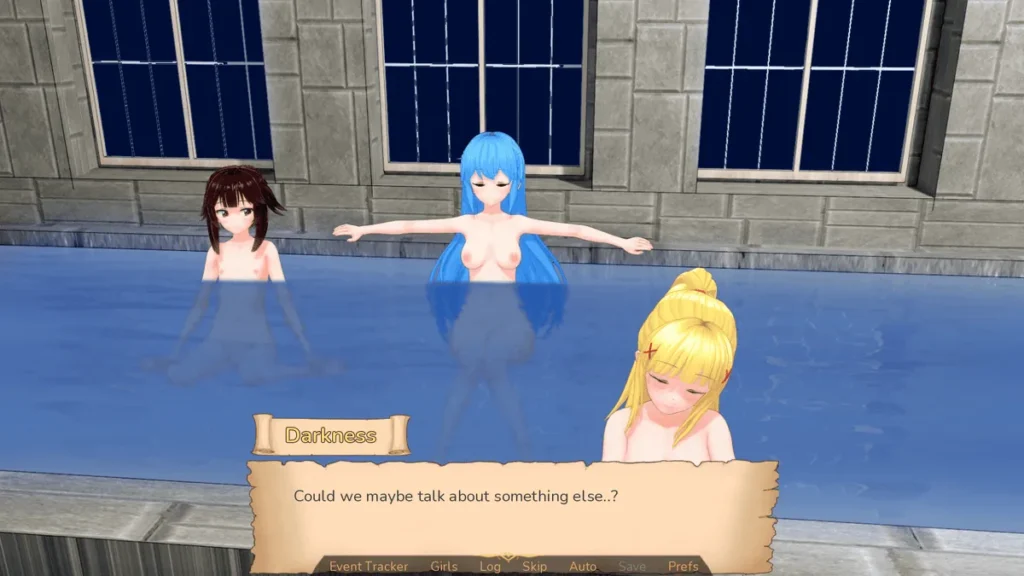
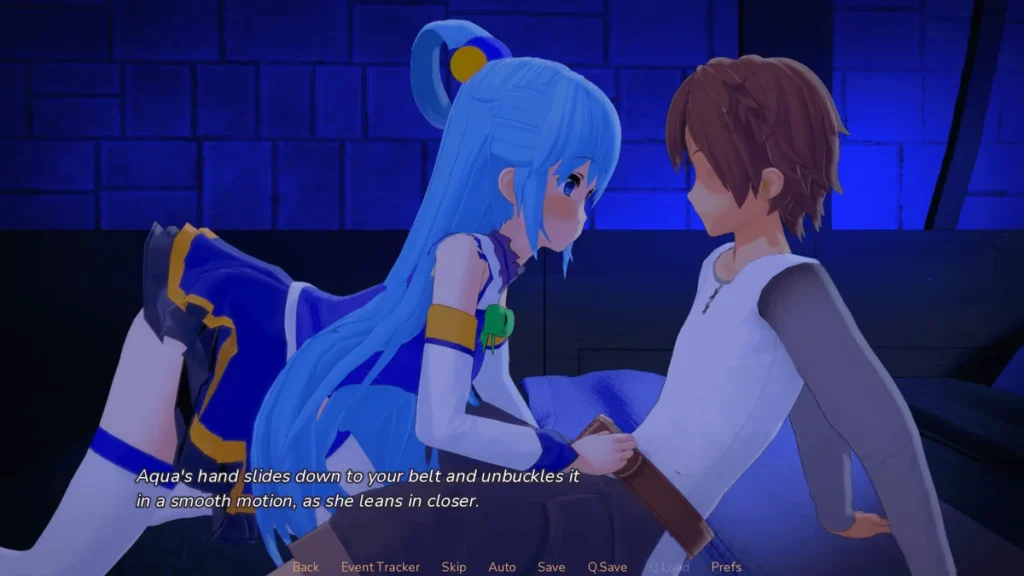
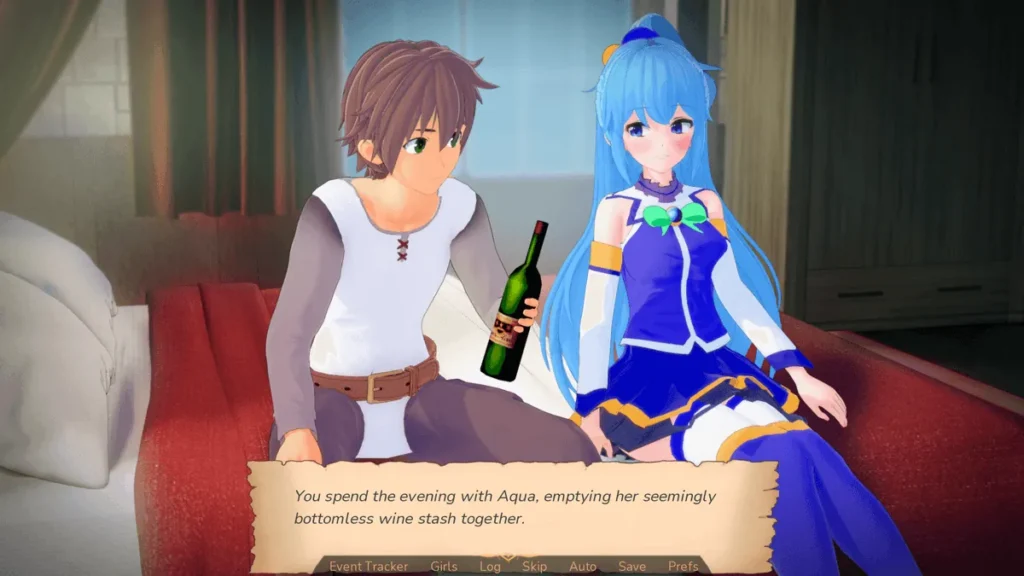
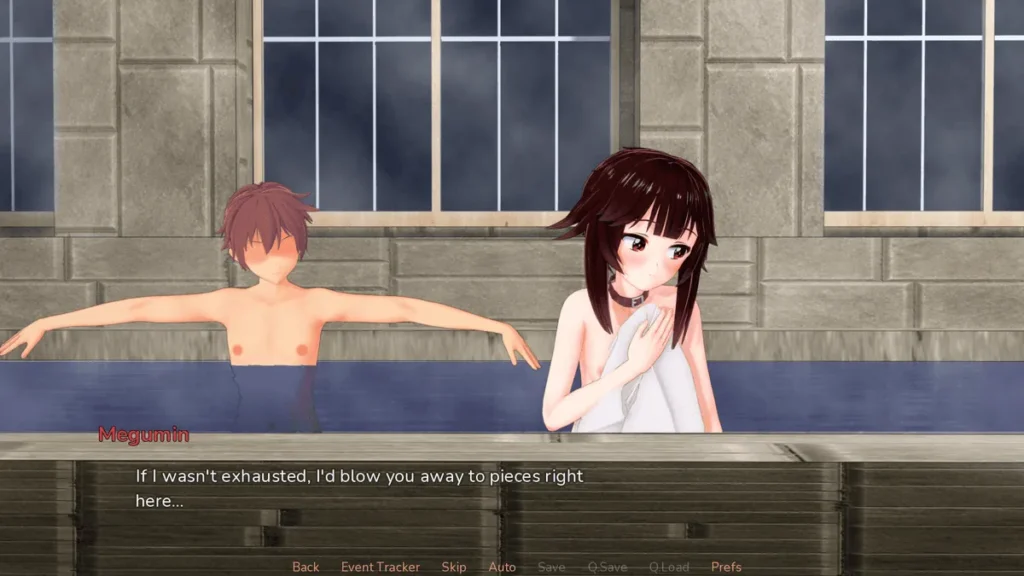
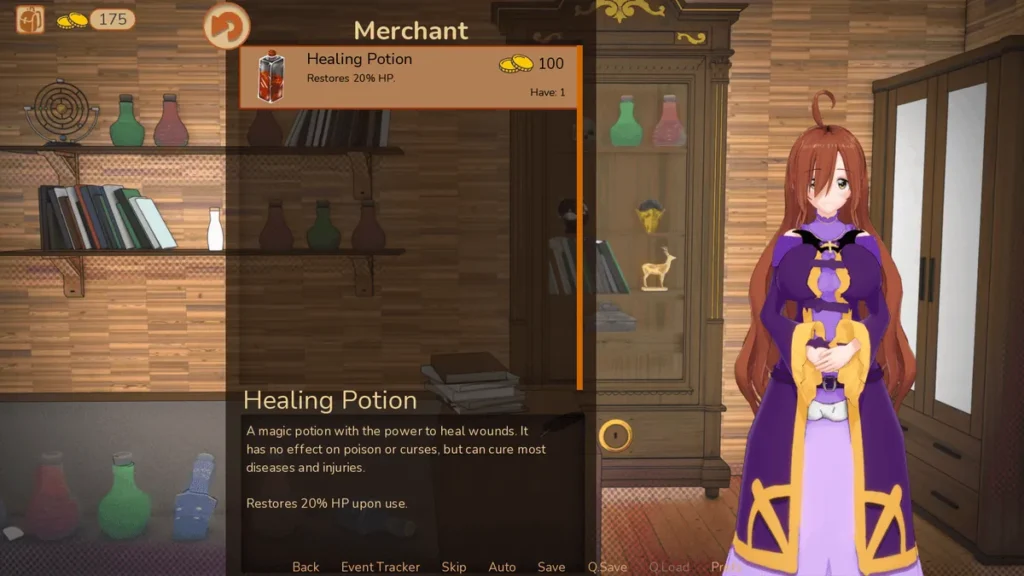
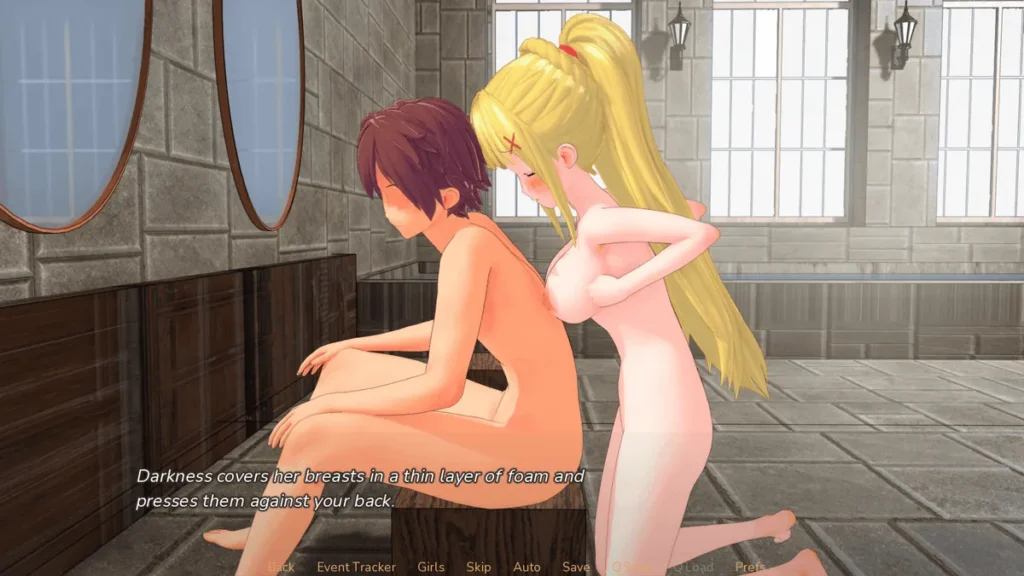

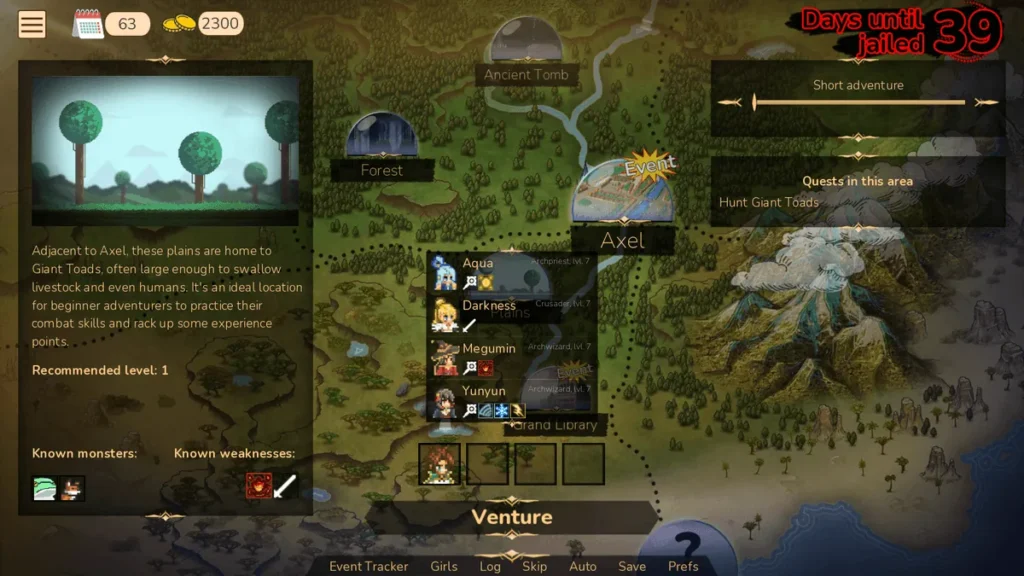
Adventurer Trainer review
A grounded look at the Adventurer Trainer adult RPG, its systems, and why it resonates with players
Adventurer Trainer is a free, non-commercial, fan-made adult game that blends dating sim dialogue, visual novel storytelling, and light RPG combat into one surprisingly deep experience. If you have stumbled across the name Adventurer Trainer and are wondering what kind of game it really is, how much story and strategy it offers beyond its explicit scenes, and whether it respects your time as a player, this guide is for you. I’ll walk you through how the game works, what you can expect from its world and characters, and share some first-hand style impressions to help you decide if Adventurer Trainer belongs in your library.
What Is Adventurer Trainer and How Does It Play?
Ever stumbled upon a game that feels like a secret handshake among a dedicated group of fans? 🤝 That’s the vibe I got when I first booted up Adventurer Trainer. This isn’t a slick, corporate-made title you’ll see on storefronts. It’s a passion project, a fan made adult game built by an independent developer who clearly loves the classic anime fantasy adventures we all grew up with. Available for free on PC and mobile, the Adventurer Trainer game invites you into a wonderfully familiar, legally-safe fantasy universe filled with homages to the archetypes we adore. You play as a charmingly unlucky guy who, through a series of comedic misadventures, finds himself managing a party of quirky heroines in a bustling town. While the adult content is a draw, what truly hooked me was the sheer volume of written content, events, and side activities. It feels less like a quick arcade title and much more like a sprawling visual novel with RPG elements. The fan-made nature shines through—you’ll see it in the passionate character writing and also in the occasional rough menu or minor bug. But honestly? That’s part of its authentic charm. It’s a game made with heart, not just a balance sheet.
Core premise and fan-made origins of Adventurer Trainer
Let’s get grounded about what this game actually is. At its core, Adventurer Trainer is a labor of love. 🎨 It’s non-commercial, built by a solo dev or a small team, and distributed freely within its community. This origin story is crucial to understanding its soul. The world and characters are crafted with clear affection for a certain style of anime fantasy, giving you that comforting “I’ve been here before” feeling without stepping on any official intellectual property.
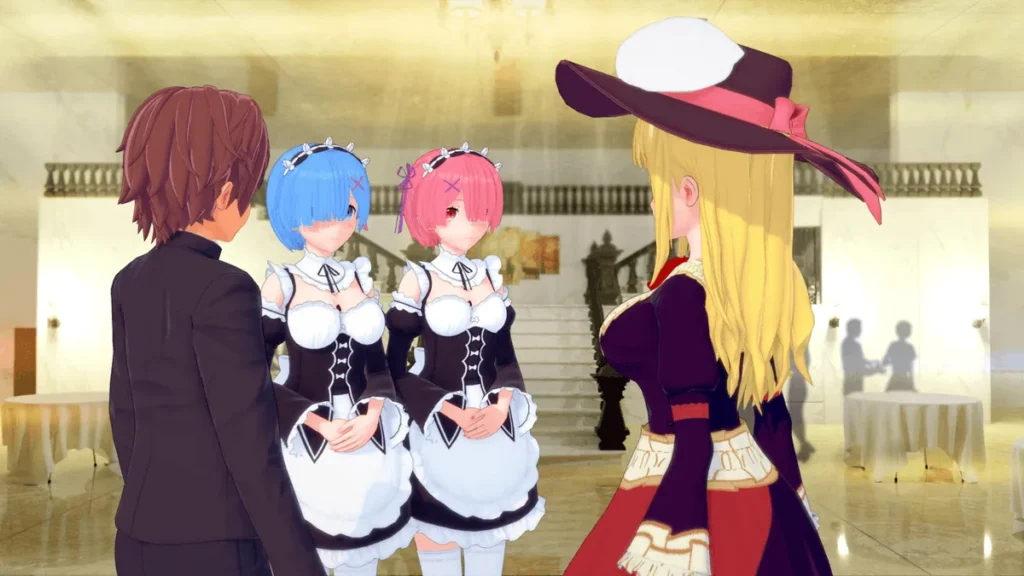
The basic setup is your classic isekai-adjacent comedy. You’re not the destined hero; you’re the guy who has to handle the logistics. 😅 Your job is to manage quests, train your party members (hence the “Trainer” part of the title), and navigate the often-hilarious relationships within your group. You’ve got your clumsy but powerful mage, your eccentric priestess with unorthodox methods, the stoic warrior with a secret soft side—all the classics are here, and they’re written with genuine humor.
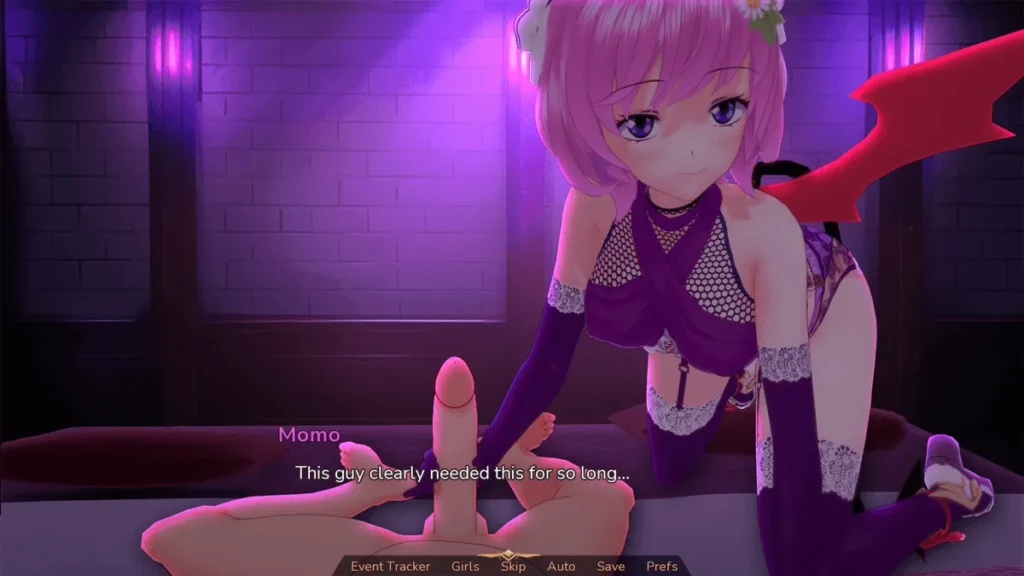
What surprised me most, and what I think is the game’s biggest strength, is its commitment to being a story-driven experience. Yes, it’s an adult-focused project, but the scenes feel earned through progression and relationship building. There’s a whole town to explore, side stories to uncover, and daily life to simulate. This depth is what transforms the Adventurer Trainer gameplay from a simple novelty into a genuinely engaging dating sim and life-sim hybrid. It’s janky in places, sure, but that jank is the fingerprint of a creator who prioritized character and content over polish, and for many players, that’s a worthwhile trade.
How the dating sim and visual novel elements work in practice
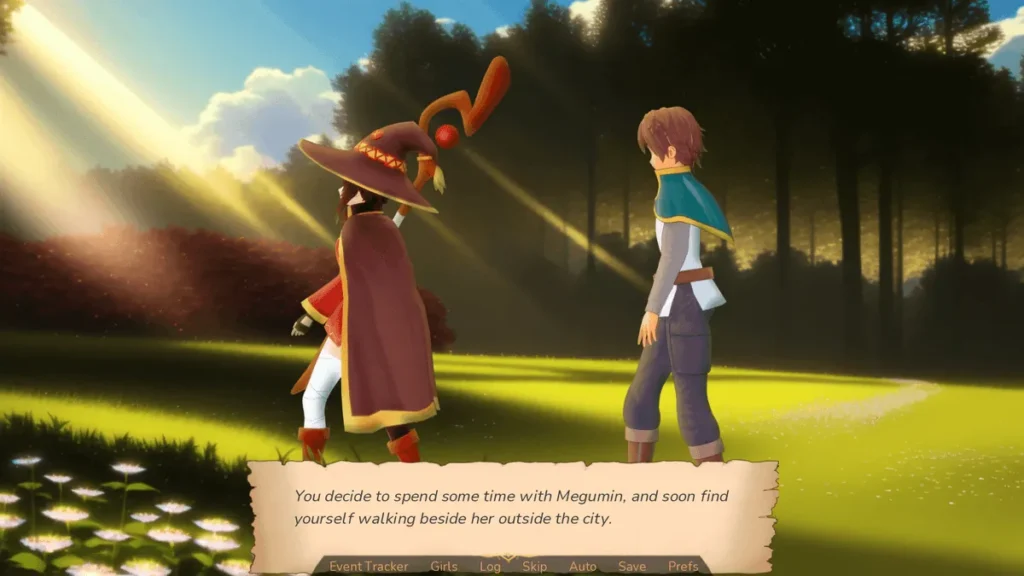
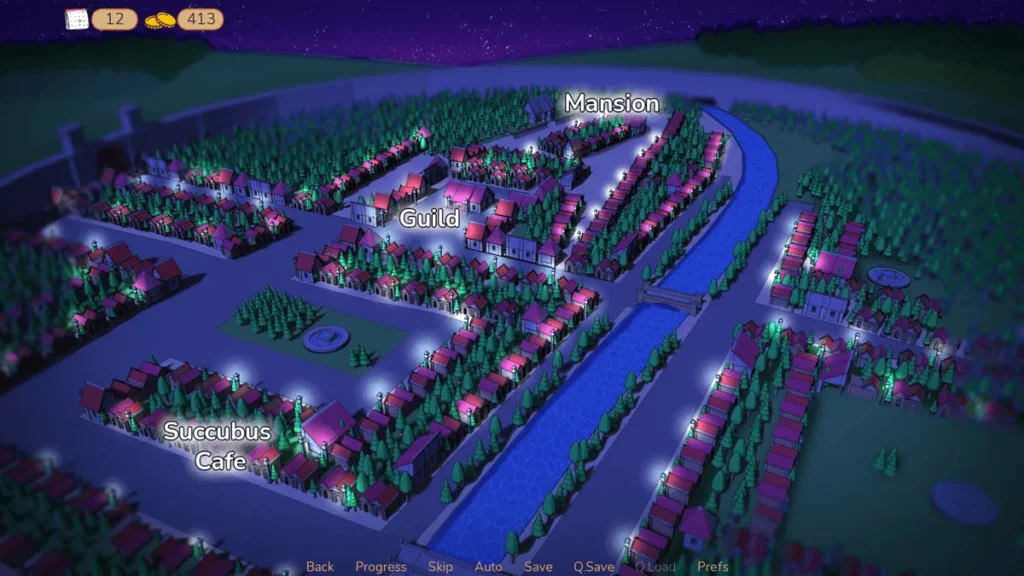
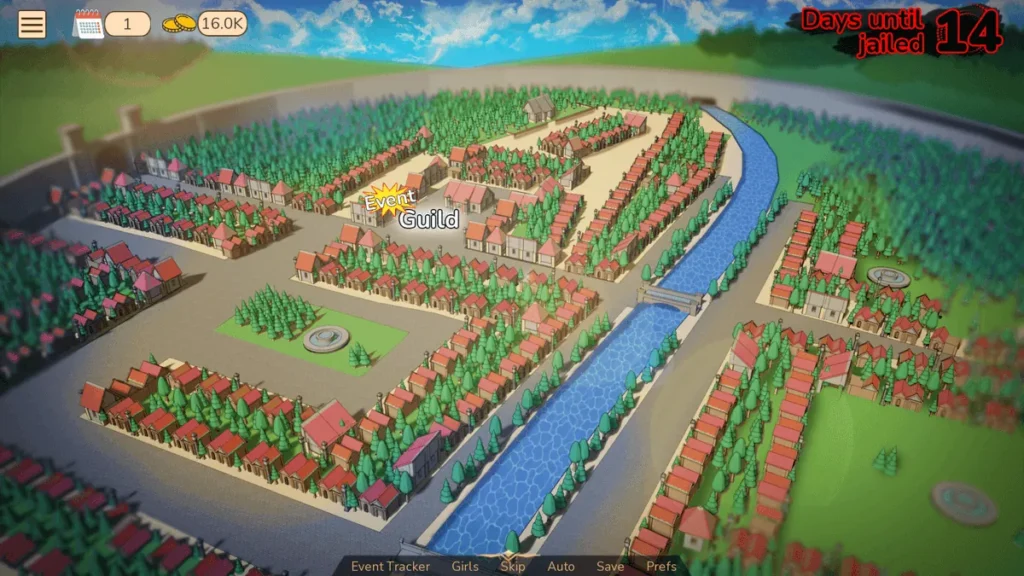
So, how does Adventurer Trainer work on a day-to-day basis? Imagine a cozy, character-driven loop. Your day often starts in your room. You check your calendar for special events, then head out into town. The map is your playground, with locations like the Guild, the Marketplace, the Town Square, and each heroine’s personal hangout spot. This is where the visual novel heart beats strongest.
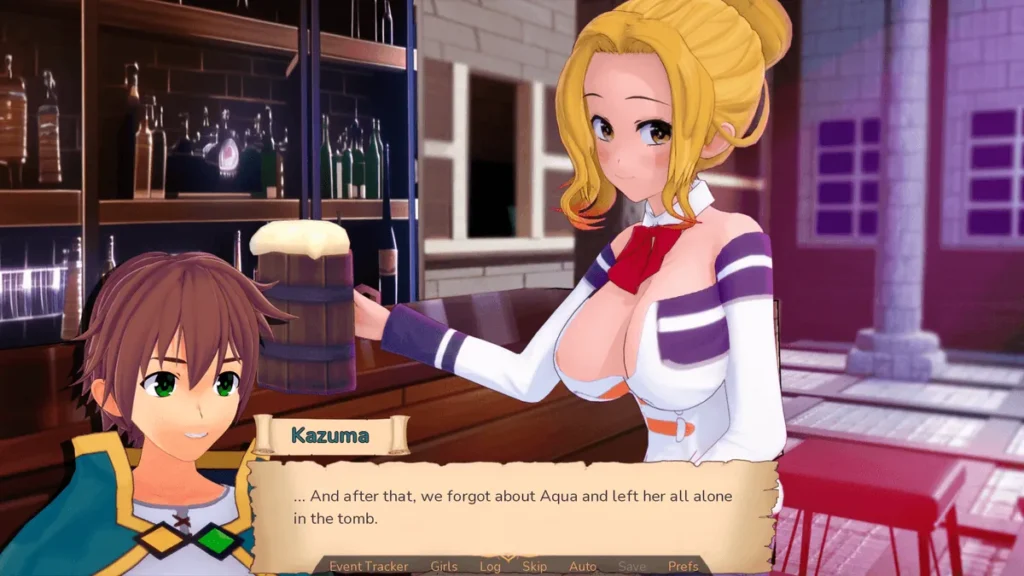
Interactions are everything. When you talk to a character, you’re often given dialogue choices. These aren’t just for show—they directly influence affection points and trigger story flags. Choosing the right (or hilariously wrong) response can open up new scenes, unlock special events, and steer you down a specific character’s route. The game is surprisingly good at giving you feedback, too. Many versions include an event tracker or clear markers that show you what you’ve missed or what requirements you haven’t yet met for a particular scene. This takes a lot of the frustrating guesswork out of the Adventurer Trainer dating sim experience.
The writing deserves a special shoutout. It’s consistently funny, focused on banter and character quirks. I remember one early quest involved simply fetching a cabbage for the innkeeper. What should have been a one-minute errand turned into a multi-day running gag involving a suspicious merchant, a misplaced package, and a very confused guard. It’s this emphasis on charming, low-stakes storytelling that makes the world feel alive.
A typical in-game day in this part of the Adventurer Trainer gameplay revolves around a few key pillars:
- Story Scenes: Triggered by visiting characters at the right time with the right affection levels. This is the main payoff.
- Quests: Accepted from the Guild board to drive progression and earn resources.
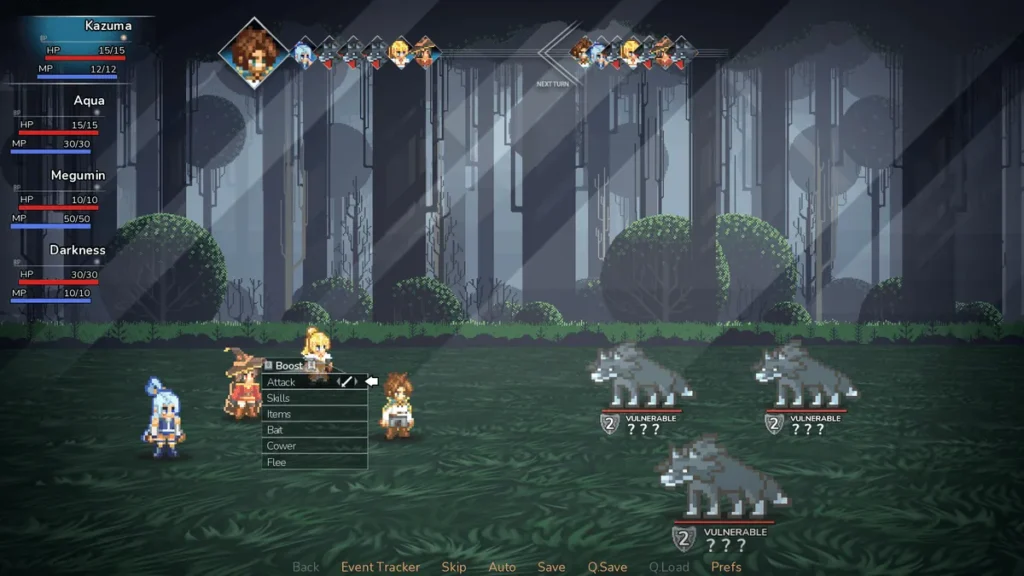
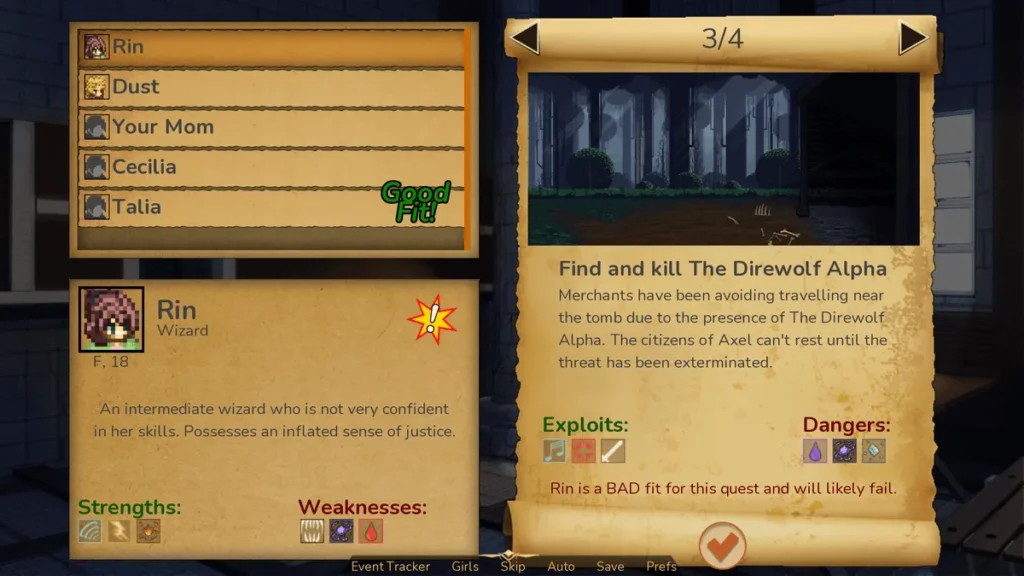
- Combat: Light, turn-based encounters that happen during quests.
- Guild Work: Simple jobs or training to earn a bit of gold on the side.
- Free Time: Choosing which part of town to explore or which character to spend your evening with.
This structure creates a satisfying rhythm where you’re always working toward the next story beat or character moment.
RPG mechanics, quests, and everyday progression in Adventurer Trainer
Now, let’s talk about the other half of the equation: the RPG mechanics. This is where Adventurer Trainer quests and progress come into play. Time is your primary resource. The game operates on a day/night cycle, and each action—traveling, talking at length, going on a quest—consumes time. You’ll need to manage your schedule: do you spend the day on a lucrative dungeon crawl, or do you hang around the town square hoping to run into a certain someone? ⏳
Questing is straightforward. You’ll visit the Guild or check a board to pick from available missions. These range from “slay 5 slimes” to more elaborate story-driven tasks. Once accepted, you head to a dungeon or encounter area. The RPG systems here are light but functional. We’re talking simple turn-based combat, character levels, basic equipment slots, and a handful of skills per party member. The strategy comes from managing your team’s Health and Energy and using the right skills for the job. The key thing to know is that combat is designed to be accessible and fast. It’s a puzzle to solve quickly so you can get back to the story, not a grueling tactical marathon.
I absolutely love how the game handles failure. If your party gets knocked out on a quest, you typically wake up back in town. The genius part? You often keep any experience or loot you gained up to that point. This “no-penalty” philosophy encourages experimentation. Feel like trying to tackle a quest above your level? Go for it! The worst that happens is you get a bit stronger for the next attempt. It removes all the stress and lets you focus on the fun.
To see how this all blends together, let me walk you through a typical session from my own save file:
My day started with a story scene at the bakery with the clumsy mage, triggered because I’d helped her with a magic experiment the prior evening. After making her laugh (and scoring some affection points), I headed to the Guild. I had two choices: a quick, easy herb-gathering quest for quick cash, or a more dangerous spider-culling mission that promised better loot. I chose the spiders, assembled my party, and headed out. The combat was three quick rounds—using my warrior to taunt and my priestess to heal through the poison. Victory! We returned to the Guild for our reward, which was enough gold to buy a new piece of armor. With the afternoon still young, I used my remaining time to work a shift at the Guild desk (a simple click-to-earn mini-game), then ended my day at the tavern, where a chance encounter with the stoic warrior led to a new, quieter conversation scene about her past.
That’s the magic loop. It’s a hybrid of a relaxed dating sim and a light JRPG, wrapped in a daily routine that’s incredibly moreish. You tell yourself you’ll just play “one more day” to see if a new event triggers, and suddenly two hours have vanished. The Adventurer Trainer game succeeds because it understands its priorities: it’s a character-filled world first, a light management sim second, and a collection of satisfying game mechanics third. It’s a uniquely grounded and engaging experience that resonates because it feels personal, both in its creation and in the stories it lets you build.
To summarize the core progression loop, here’s a breakdown of a standard in-game day:
| Time of Day | Primary Activities | Key Goals |
|---|---|---|
| Morning | Check event calendar, visit character hangouts, trigger story scenes. | Raise affection, advance character routes, unlock new events. |
| Afternoon | Accept and complete guild quests, engage in turn-based combat, explore dungeons. | Earn gold and experience, gather crafting materials, progress main story quests. |
| Evening | Work guild jobs for gold, shop for equipment, use free time to explore or socialize. | Manage resources, upgrade party gear, trigger time-specific character events. |
Adventurer Trainer manages to be far more than a quick novelty; it is a surprisingly rich blend of character-driven storytelling, light RPG systems, and adult content that rewards players who enjoy slow-burn progression. If you like the idea of managing a quirky party, juggling quests with relationship-building, and slowly uncovering new scenes as you learn how the town and its routines work, this title is worth a closer look. Start with a relaxed mindset, experiment with different choices and quest routes, and treat each in-game day as a chance to discover a new joke, event, or interaction. With that approach, Adventurer Trainer can easily become one of those games you keep coming back to for “just one more run to the guild.”