
University of Problems
Play University of Problems
University of Problems Screenshots









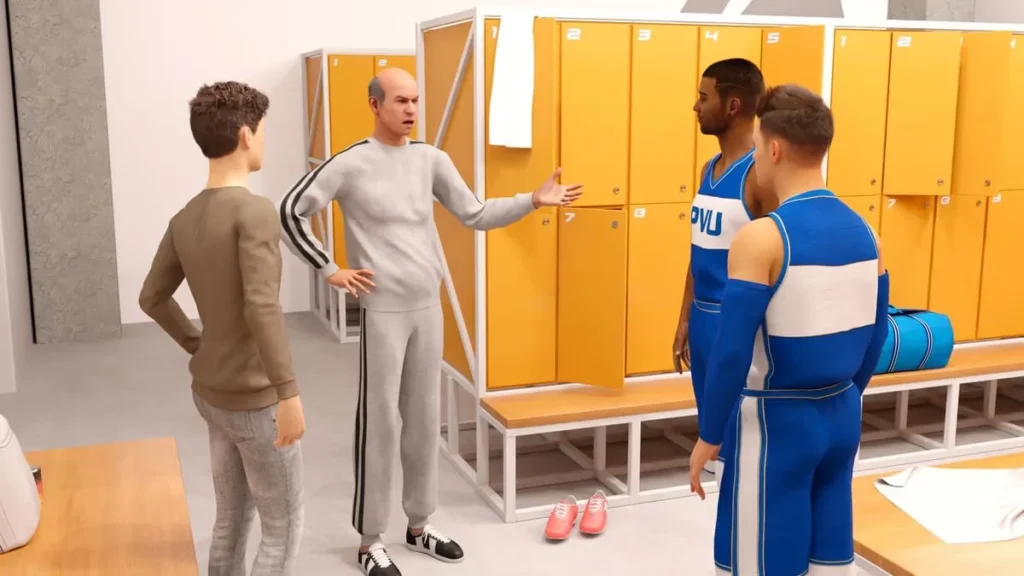




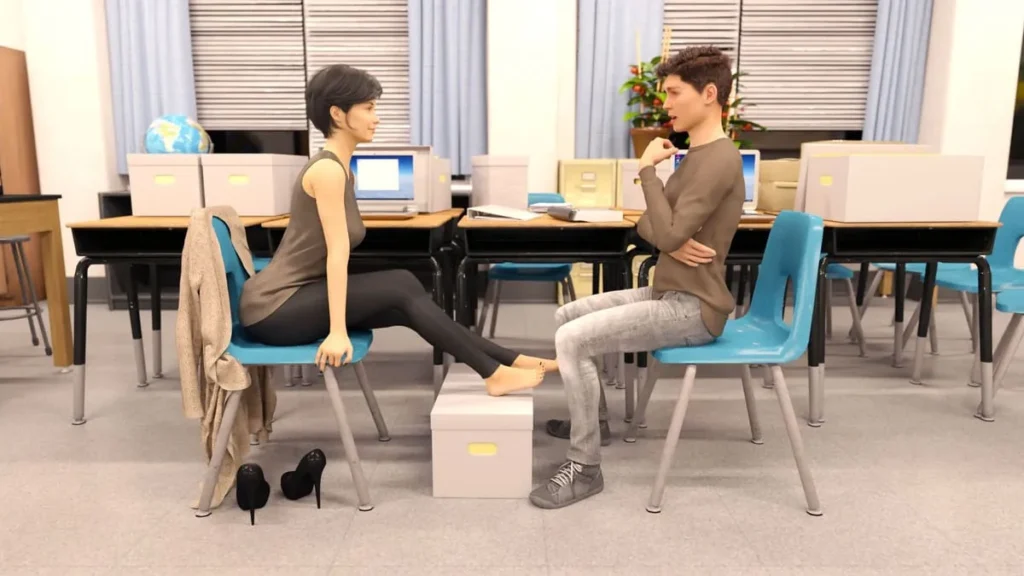

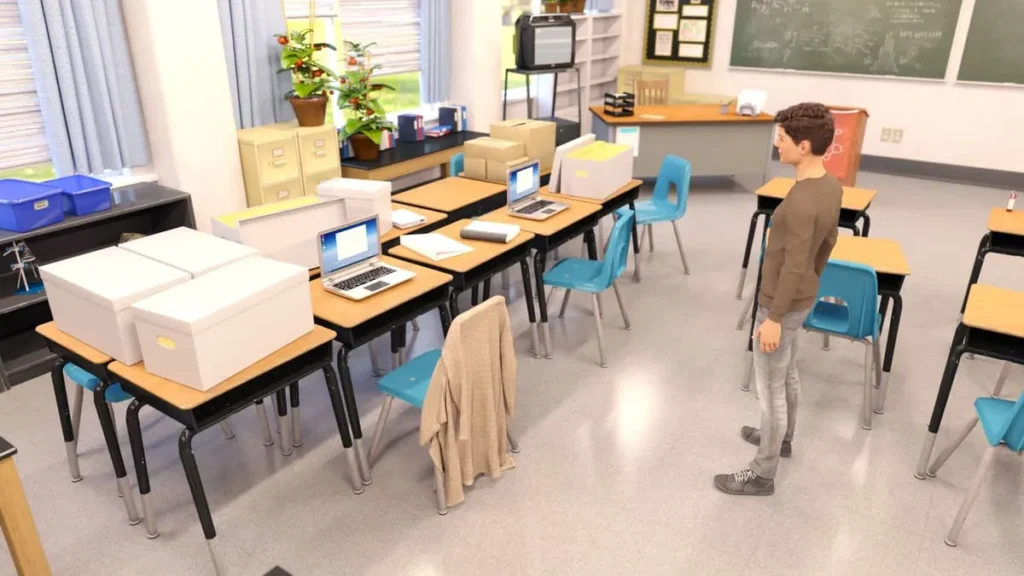

University of Problems review
Explore the immersive world, characters, and story paths of University of Problems
University of Problems is a unique role-playing game that combines engaging storytelling with interactive gameplay centered around a university setting. This guide dives deep into the game’s core features, character interactions, and multiple story paths, providing practical tips and personal insights to help players maximize their experience. Whether you’re new or looking to explore all the game’s content, this article covers everything you need to know about University of Problems.
Exploring University of Problems: Story, Characters & Gameplay
Ever felt like your own university experience was missing… something? Maybe a few more intriguing mysteries, a dash of dramatic romance, or a cast of unforgettable characters whose lives become deeply intertwined with your own? 😉 Welcome to University of Problems, a visual novel that takes the familiar setting of campus life and transforms it into a rich, branching narrative where every choice you make writes your unique story.
Forget passive storytelling; this is your chance to step into the shoes of a new student and navigate the thrilling, complicated, and often hilarious world of academia and beyond. The core University of Problems gameplay loop is deliciously simple yet deeply engaging: you talk, you choose, and you live with the consequences. But within that simplicity lies incredible depth. Let’s dive into the immersive world, meet its residents, and discover how your decisions shape everything.
### What is University of Problems?
At its heart, University of Problems is an interactive story set in a bustling university. You play as a customizable protagonist (though often viewed from a first-person perspective) who is just starting their academic journey. But this isn’t just about attending lectures and cramming for exams—though those elements are part of the authentic backdrop! 🏫 The real meat of the University of Problems story is about the people you meet and the relationships you forge.
The premise quickly expands from simple campus antics to involve more personal and dramatic arcs. You might find yourself helping a friend with a family issue, navigating competitive cliques, or unraveling personal secrets that certain characters hold close. The “problems” in the title are multifaceted, ranging from lighthearted romantic dilemmas to more serious emotional conflicts, ensuring the narrative always has a compelling hook.
The magic of this game is how it makes you feel like a true participant. The University of Problems gameplay is built on a foundation of dialogue trees and key decisions that pop up at critical moments. Will you be the charming diplomat, the bold confronter, or the quiet observer? Your defined personality directly influences how every character perceives you, opening some doors while quietly closing others.
### Key Characters and Relationship Dynamics
The soul of any great visual novel is its cast, and University of Problems characters are designed to feel refreshingly real, each with their own desires, flaws, and story arcs waiting to be explored. Building connections with them isn’t just a side activity; it’s the main event.
- Rachel: Often one of the first characters you meet, Rachel can be the friendly face that helps you settle in. She might seem approachable and sweet, but as you get closer, you might discover layers of complexity—perhaps she’s dealing with pressures from home or has ambitions she’s hesitant to share. Pursuing a path with Rachel often involves patience and emotional support.
- Rebecca: 🔥 The quintessential “popular” figure, Rebecca is often confident, charismatic, and maybe a bit intimidating. Winning her favor typically requires matching her energy, showing confidence, and navigating the social scene she commands. Her route might involve more public drama and testing your social savvy.
- Catherine: Perhaps the more mature or intellectually driven character. Interactions with Catherine might revolve around shared classes, deep conversations, and mutual respect that slowly blossoms into something more. Her path likely values thoughtful dialogue and proving your sincerity over flashy gestures.
- Other Faculty & Students: The world is populated with secondary characters like professors, roommates, and rivals. While they may not have full romance paths, your interactions with them can significantly affect your reputation, unlock side University of Problems events, and even influence how main characters view you.
Relationship building in University of Problems is a delicate and rewarding dance. It’s not just about always saying the “nice” thing. Sometimes, a character respects honesty more than flattery. Sometimes, supporting them in a tough moment creates a stronger bond than a dozen compliments. The game often tracks your standing with each character through hidden “affection” or “lust” meters, and key choices will cause major shifts.
The following table shows how investing in these relationships directly shapes your experience:
| Character | Key Relationship Trait | Impact on Story Progression |
|---|---|---|
| Rachel | Trust & Emotional Intimacy | Unlocks personal, private story scenes focused on character backstory and vulnerability. Choices here affect her long-term happiness and your bond’s stability. |
| Rebecca | Social Status & Chemistry | Opens up exclusive party events, social challenges, and can alter your public reputation on campus. Her path may involve more rivalry and public displays of affection. |
| Catherine | Intellectual Respect & Shared Goals | Leads to story branches involving academic pursuits, career talks, and mature problem-solving. Can result in a partnership built on mutual ambition and deep understanding. |
### Gameplay Mechanics and Player Choices
Now, how does all this interaction actually work? The University of Problems gameplay mechanics are elegantly designed to put you in the driver’s seat. Most of your time will be spent in two modes: visual novel-style dialogue sequences and choice-driven decision points.
During dialogue, you’ll select responses that range from friendly and flirty to sarcastic or dismissive. Think of every conversation as slowly painting a portrait of who you are. Beyond dialogue, the game presents pivotal gameplay choices in University of Problems. These are the big moments that appear on screen with a timer, forcing you to think on your feet. Examples include:
* Choosing who to sit with at a pivotal lecture.
* Deciding to intervene in an argument between friends.
* Picking which character to pursue during a weekend event.
* Determining how to spend your limited in-game time (study, socialize, work part-time).
These choices create a branching narrative. Early on, the branches are subtle—a slightly different line of dialogue, a new piece of information. But as you play, those branches widen. By the second or third episode, your story can look vastly different from someone else’s playthrough. This is where the promise of a University of Problems walkthrough becomes tempting for many players, as it can map out these complex branches and show how to reach specific scenes or endings.
Managing resources is also key. Time is often a limited resource. Will you spend your evening studying to boost your academic stats, hanging out with Rebecca at a party to boost her affection, or working a job to earn money for special gifts? 🕒 Each action has an opportunity cost, making your playthrough uniquely yours.
University of Problems events are the special milestones that break up the routine. These can be anything from a campus festival and Halloween party to a tense final exam week or a beach trip. Events are often where relationships are tested or accelerated, secrets are revealed, and major plot points are triggered. They’re the highlights you remember, and your preparation (both in stats and relationships) directly impacts your success during them.
Personal Insight: In my first playthrough, I tried to be a “people pleaser,” agreeing with everyone. The result? My character felt bland, and I was locked out of deeper connections because I never took a stand. It taught me that in University of Problems, being authentic in your choices—even if they cause short-term conflict—leads to far more engaging and rewarding storylines.
Example of a Key Decision and Its Consequences:
Imagine a scene where Rachel is visibly upset after a phone call. She’s vague about the details but needs support.
* Choice A (Press for Details): You insist she tell you what’s wrong, arguing that you can’t help otherwise.
* Choice B (Offer Quiet Support): You simply offer to be there for her, letting her open up in her own time.
Choosing A might satisfy your curiosity and could lead to learning a major secret early, but it risks making Rachel feel pressured and cornered, potentially lowering her trust. Choosing B might seem passive, but it demonstrates patience and respect for her boundaries. This could significantly raise her affection and unlock a later, more heartfelt scene where she confides everything voluntarily, strengthening your bond in a more meaningful way. This single gameplay choice in University of Problems can set two completely different emotional trajectories for your entire relationship with her.
Ultimately, the University of Problems gameplay experience is about embracing the role. Your decisions craft a narrative that can be romantic, dramatic, funny, or a mix of all three. With its focus on meaningful relationship building in University of Problems and consequential gameplay choices, every playthrough invites you back to the campus to try a different path, meet a different fate, and solve a different set of problems. So, enroll today—your unique story is waiting to be written. ✍️🎓
University of Problems offers a rich, interactive experience that blends narrative depth with player-driven choices. By understanding the characters and carefully managing relationships, players can unlock diverse storylines and endings. Whether you enjoy immersive storytelling or strategic decision-making, this game provides a compelling journey through its unique university setting. Dive in, explore the possibilities, and make your mark in the University of Problems world.