
Play Stellar Dream
Stellar Dream Screenshots












Stellar Dream review
A practical look at Stellar Dream gameplay, choices, and player experience
Stellar Dream is a story‑driven game that blends character relationships, choices, and progression in a sci‑fi inspired setting. If you have seen short clips, screenshots, or mentions in communities, you might be wondering what playing Stellar Dream actually feels like: how deep the story goes, how interactive the systems are, and whether it offers more than surface‑level appeal. In this guide‑style review, I will walk you through the core features, the way the game builds tension and payoffs, and some practical tips I learned from my own playthrough so you can quickly decide if Stellar Dream matches your tastes.
What Is Stellar Dream and How Does It Play?
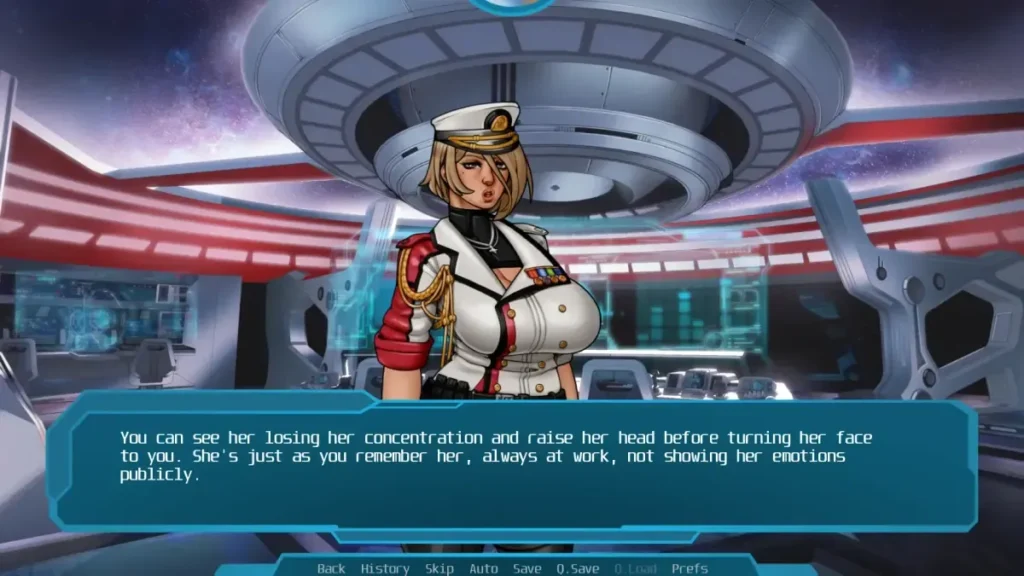
So, you’ve heard the name floating around and you’re wondering: just what is Stellar Dream? 🤔 Is it another flashy space shooter, or something… different? Let me cut right to it: the Stellar Dream game is a narrative-first, character-driven experience set against a gorgeous futuristic backdrop. It’s less about blasting aliens and more about navigating the complex, often tense relationships between the crew members of a starship on a critical mission. If you’re picturing a visual novel style experience with deep branching paths, you’re on the right track. This is a world built for players who want their choices to matter, who enjoy slow-burn drama, and who appreciate a story that feels personal.
Think of it as your interactive ticket to a sci-fi drama series where you direct the protagonist’s actions. The focus is squarely on interaction, conversation, and the consequences that ripple out from every decision you make. In this Stellar Dream review, I’ll walk you through exactly what that means in practice, from its core premise to its unique gameplay loop, so you can decide if this journey is one you want to embark on.
What is the core premise of Stellar Dream?
At its heart, what is Stellar Dream about? Imagine you’re thrust into a high-stakes scenario aboard a vessel where trust is a luxury and every alliance is fragile. Without diving into spoiler territory, the game places you in the role of a key individual whose actions determine the fate of the mission and the web of relationships onboard. The themes are mature and engaging, focusing on building trust, managing tension, exploring personal connections, and fulfilling those classic sci-fi fantasies of discovery and influence.
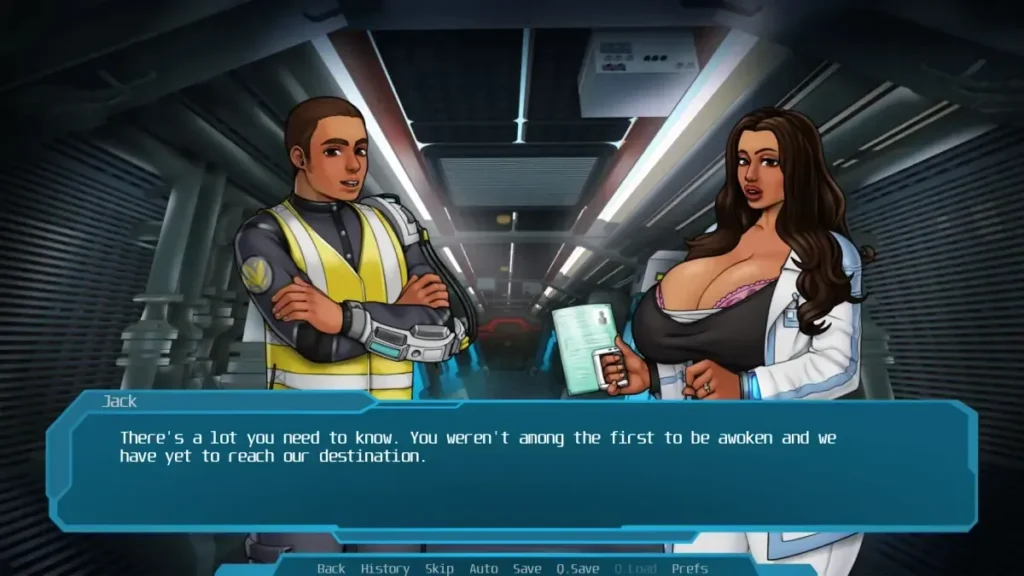
The Stellar Dream story isn’t just a backdrop; it’s the main event. You’ll encounter a cast of well-defined characters, each with their own ambitions, secrets, and personalities. Your interactions with them—friendly, professional, romantic, or distrustful—shape not only their opinion of you but also the narrative direction. The setting provides a perfect playground for these dynamics, mixing the isolation of space with the intense pressure of a closed environment. It’s this focus on character-driven narrative that sets the stage for everything to come.
How does Stellar Dream structure its gameplay loop?
If you’re new to this style of game, understanding the Stellar Dream gameplay is key. This isn’t a twitch-reaction title; it’s a thoughtful, engaging process built on a cycle of reading, deciding, and experiencing the outcomes. The core loop is elegant in its focus:
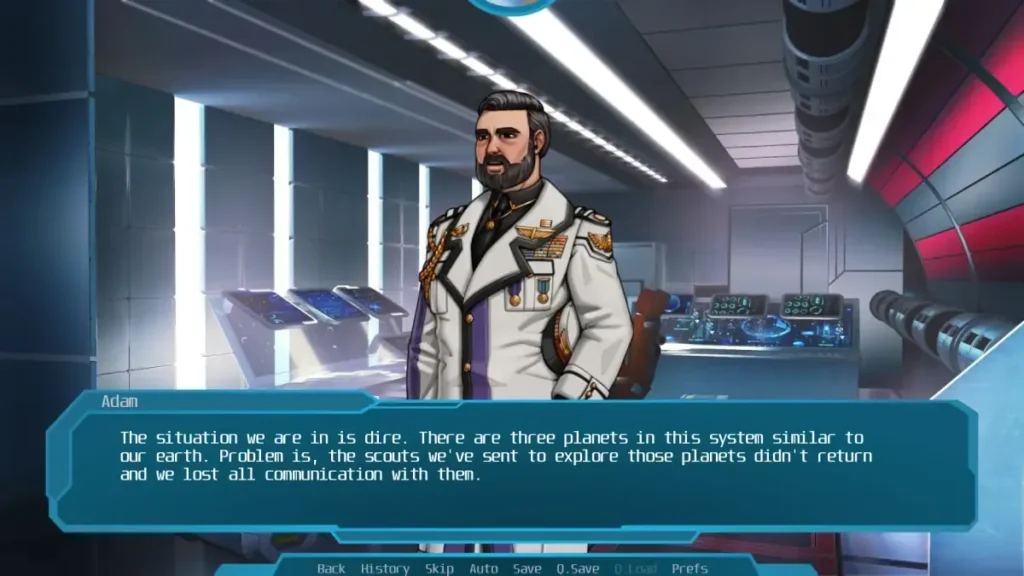
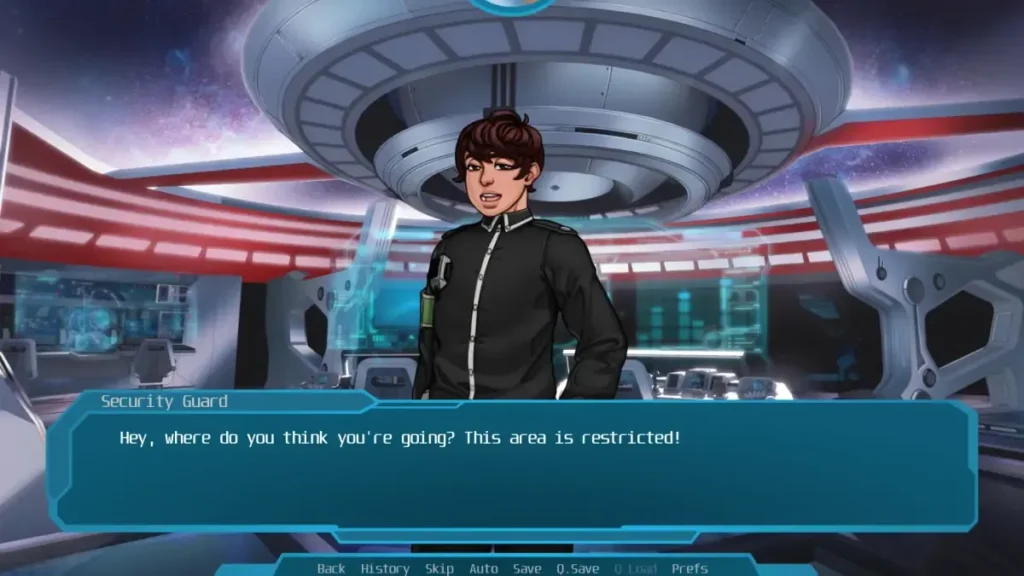
- Engage with the Story: You’ll spend much of your time reading through beautifully presented story scenes, with character art, backgrounds, and music setting the mood. This is where the world and characters come alive.
- Make Meaningful Choices: At critical junctures, the game will present you with dialogue options or actions. These aren’t always simple “good vs. bad” picks. They might involve how to handle a conflict, who to support in an argument, or how to spend your limited free time aboard the ship.
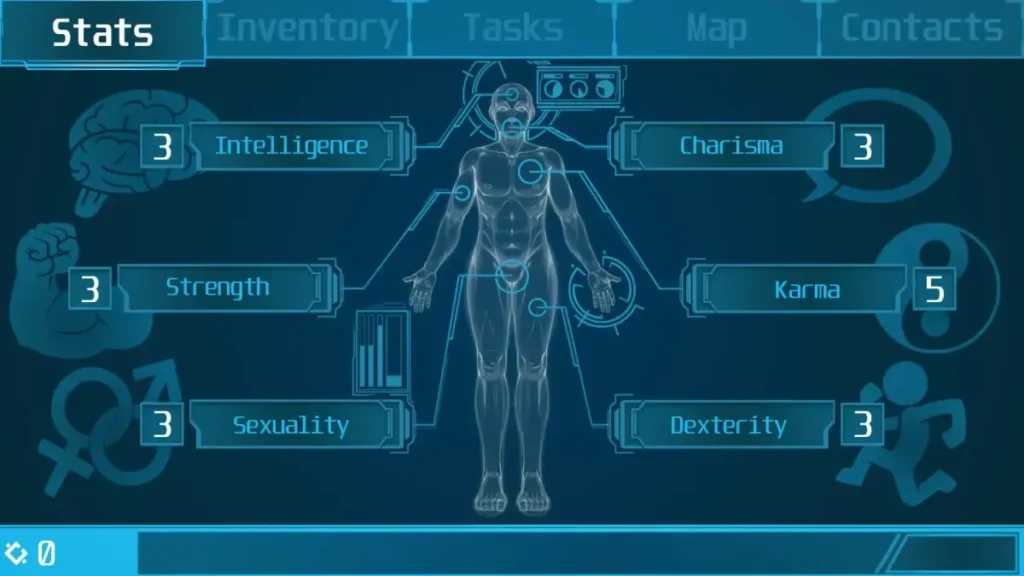
- Manage Resources (Often Time): A key part of the Stellar Dream gameplay strategy involves resource management. This usually translates to your character’s time and energy. You might have to choose between repairing a critical system, researching an alien artifact, or sharing a drink with a crewmate to deepen your bond. Where you invest your time directly opens or closes future story branches.
- Unlock Scenes and Paths: Your choices and resource management unlock new scenes, deepen relationships, and reveal character backstories. The game expertly gates content behind your decisions, making each playthrough feel unique.
- Replay for Discovery: This is where the magic happens. The replay value is immense. Once you see an ending, you’ll be irresistibly tempted to go back to key decision points to see how a different choice alters a character’s reaction or opens a door you didn’t even know existed.
A Personal Tip: Don’t be afraid to save often and explore different dialogue trees in a single sitting. Some of the most interesting character insights come from options that seem minor at the time.
Let me give you a spoiler-free example from my first hour that sold me on the game’s depth. Early on, you’re introduced to two crew members who have a existing, somewhat strained dynamic. During a group briefing, one makes a sarcastic comment. The game gave me three options: openly agree with the sarcasm to build rapport with that character, dismiss it professionally to maintain order, or deflect with a joke to lighten the mood. I chose to agree, getting a slight smile from the sarcastic crewmate.
Hours later, in a totally different scene involving a private conversation, that same crewmate referenced my earlier agreement, noting that they “knew I saw things their way.” It was a small, throwaway line that had zero impact on the main plot, but it mattered. It made the world feel reactive and alive. I immediately replayed that early scene just to choose the “professional dismissal” option. In the later private talk, the tone was noticeably cooler and more formal. That’s the Stellar Dream visual novel style at its best: your choices weave into the fabric of every interaction.
Who will enjoy Stellar Dream the most?
Figuring out is Stellar Dream worth playing really comes down to what you look for in a game. It’s a fantastic experience, but it’s not for everyone.
You will likely LOVE the Stellar Dream game if you:
* Crave deep stories: You prioritize narrative and character development over fast-paced action.
* Enjoy “directing” a story: You love making choices and seeing how they play out, even in subtle ways.
* Appreciate sci-fi atmosphere: The settings, the tech, and the “lived-in” feel of a spaceship appeal to you.
* Like relationship-building mechanics: Whether aiming for friendship, rivalry, or romance, you enjoy systems that track and respond to your interactions.
* Don’t mind reading: This is a text-heavy experience, and enjoying that is central to the fun.
You might want to look elsewhere if you:
* Need constant action: If your ideal game is built on combat and instant gratification, the deliberate pace here may feel slow.
* Dislike reading: If large blocks of text without constant gameplay interrupts are a deal-breaker, this isn’t your game.
* Prefer open-world freedom: This is a focused, narrative-driven experience. You won’t be piloting the ship across a galaxy map in real-time.
To make it super clear, here’s a quick breakdown of the game’s strengths and areas where some players might hesitate:
| Strengths | Considerations |
|---|---|
| Deep, branching narrative with real consequences | Pacing is deliberate and focused on reading |
| Complex, well-written characters | Limited traditional “action” or gameplay mechanics |
| High replay value due to divergent paths | Success is measured in story discovery, not skill-based wins |
| Strong sci-fi mood and visual presentation | Requires engagement with character dynamics and dialogue |
| Meaningful choice-driven progression | Can involve careful management of in-game time/resources |
Ultimately, Stellar Dream stands out in the landscape of adult-targeted games by placing its story and choices front and center. It’s less about quick scenes and more about building a compelling, personalized drama where the journey and the connections you forge are the real reward. The Stellar Dream gameplay asks for your engagement and imagination, and in return, it delivers a story that feels uniquely yours. So, if you’ve ever wanted to step onto the bridge of a starship where every word you say carries weight, then yes, exploring what Stellar Dream has to offer is absolutely worth your time. 🚀
Stellar Dream stands out because it treats its players like participants in a story, not just consumers of short, disconnected scenes. By focusing on character interactions, consequences, and a steady build‑up of tension, it offers a more involved experience than many quick, shallow titles. If you enjoy reading, exploring different dialogue branches, and slowly uncovering how your choices shape relationships, Stellar Dream is likely to keep you curious far beyond the first session. The best way to know if it truly fits your style is to dive into the opening chapters yourself and pay attention to how invested you feel in the cast and their unfolding journey.