
Star Periphery
Play Star Periphery
Star Periphery Screenshots








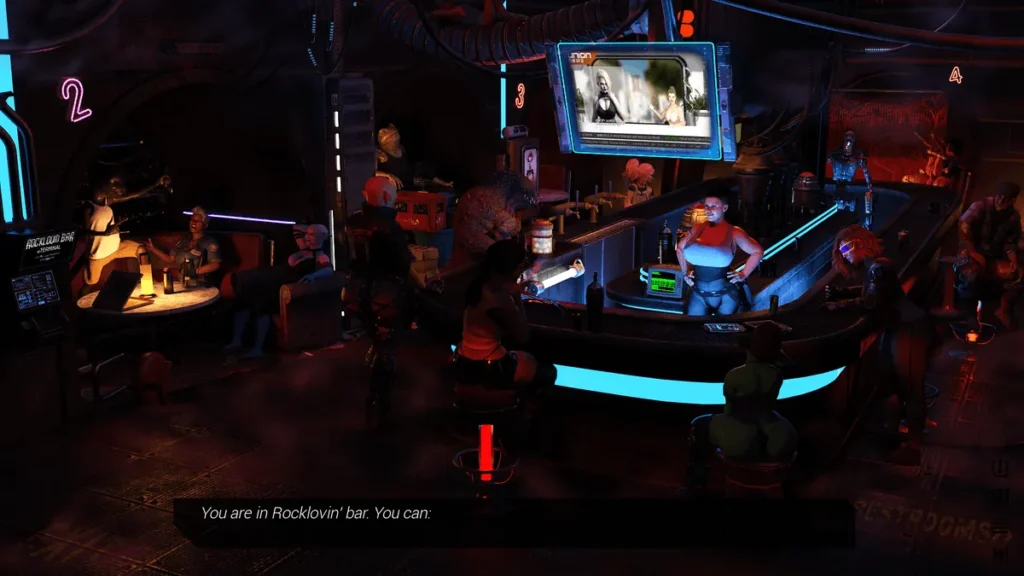
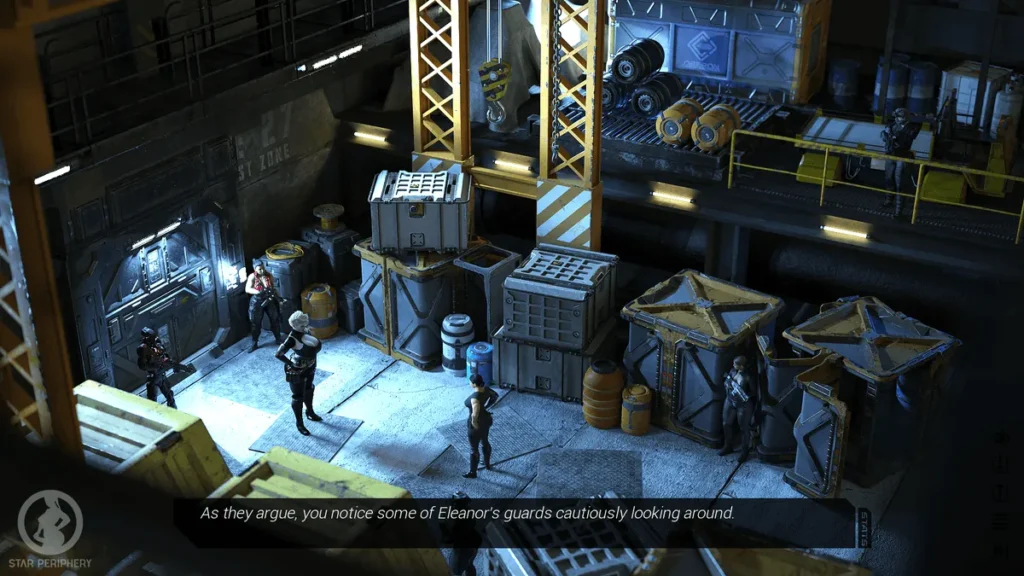
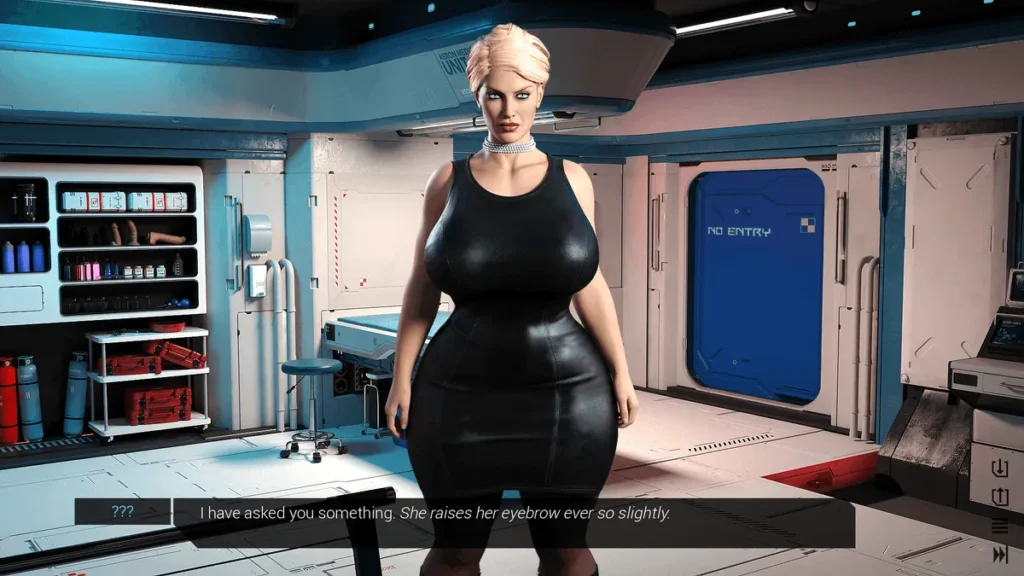

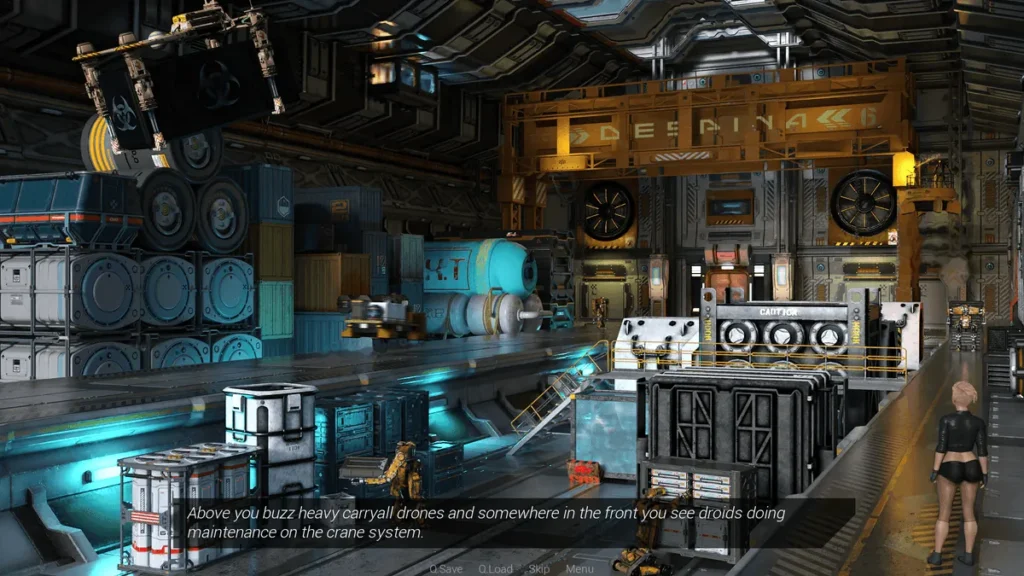
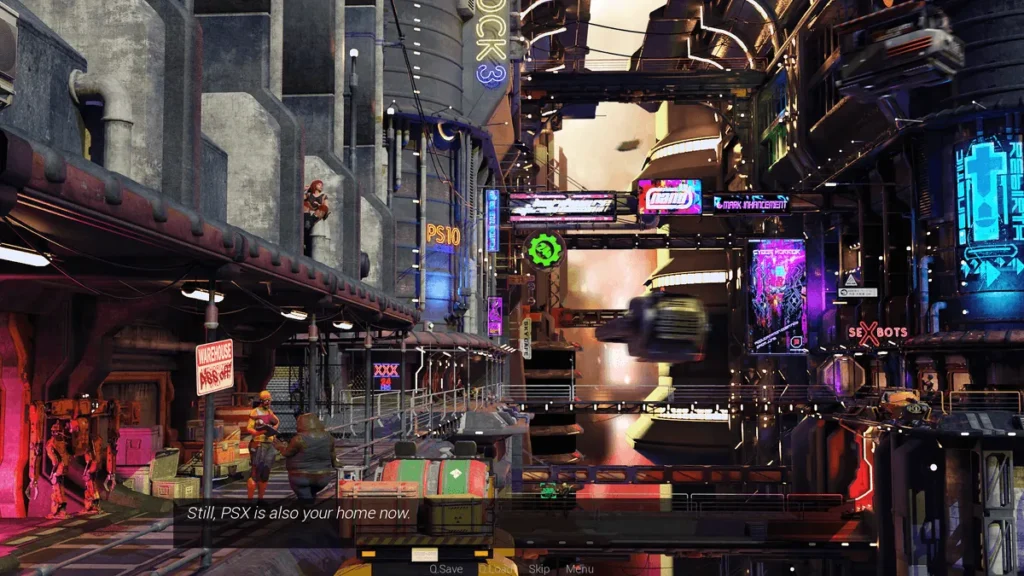
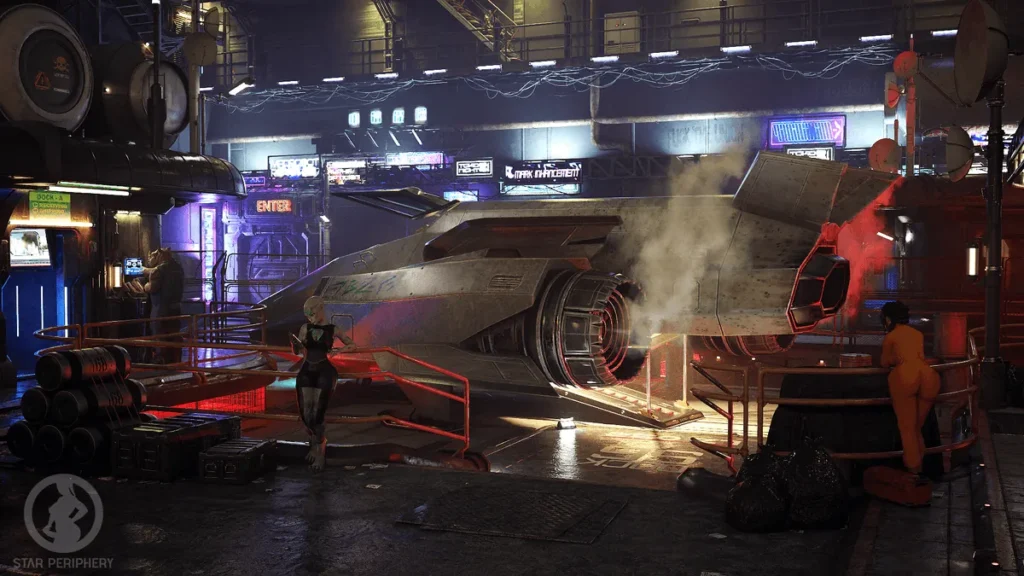
Star Periphery review
Master Command, Strategy, and Intimate Encounters in This Bold Space Game
Imagine commanding vast fleets across the cosmos while diving into steamy interstellar liaisons—that’s the thrill of Star Periphery. This isn’t your standard space strategy game; it fuses deep command systems with mature, adult-oriented encounters that redefine gaming boundaries. I first stumbled upon Star Periphery during a late-night gaming binge, hooked by its multi-layered mechanics and unapologetic edge. Whether you’re plotting galactic conquests or exploring intimate crew dynamics, this game delivers non-stop excitement. In this guide, I’ll share insider strategies, personal playthrough stories, and tips to dominate the Star Periphery universe. Ready to launch into the action?
How to Dominate Star Periphery Gameplay Basics?
Let me paint you a picture of my first hour with Star Periphery. I had my coffee, I was ready to conquer the galaxy, and I promptly built the most unbalanced, resource-hogging fleet imaginable. I sent my glorious, expensive flagship straight into a pirate ambush in a nebula, watched it explode, and then realized my mining operations had stalled because I’d forgotten to assign crews. It was a masterclass in how not to start. 🤦♂️
If that sounds familiar, or you just want to skip the painful learning phase, you’re in the right place. This isn’t just another dry Star Periphery tutorial; it’s the guide I wish I’d had. We’re going to break down everything from your first frigate to managing your first adult space encounter, all wrapped in the hard-earned lessons from my many, many failures. The Star Periphery gameplay loop is deep, rewarding, and uniquely blends grand strategy with personal narrative. Let’s get you from floundering newcomer to confident commander.
Getting Started: Building Your First Command Fleet
The moment you hit “New Game” can be overwhelming. Your starting sector is sparse, your resources are thin, and the galaxy feels impossibly large. The key is to not try to do everything at once. How to start Star Periphery successfully is about focused goals.
I remember thinking, “Bigger ships equal more power, right?” Wrong. I spent all my starting alloys on a single heavy cruiser. It was impressive… until it needed repairs I couldn’t afford and fuel it guzzled like water. My actual fleet command basics lesson was brutal: balance is everything.
Your initial goal is to establish a stable economic and scouting loop. Here’s your actionable plan:
- Prioritize a Scout Frigate: Before you build anything else, construct a cheap, fast scout. Its sole job is to jump to adjacent periphery sectors, reveal resource nodes (like asteroid metal deposits and gas clouds), and identify threats. Knowledge is your most valuable resource.
- The Miner & Hauler Combo: Your first industrial ships should be a dedicated mining vessel and a small hauler. The miner extracts raw materials; the hauler brings them back to your base for processing. Don’t let resources sit idle in space!
- A Modest Escort: One or two light corvettes with basic weaponry are enough for early-game defense against random scavengers or small pirate probes. They protect your miner, giving you peace of mind.
- Specialize Early Crew: When assigning crew, don’t spread them thin. Put your best engineering officer on the miner for faster yield, and your tactical officer on the scout for better sensor range. This specialization pays off immediately.
- Secure a Second Resource Node: Your starting base has one. Use your scout to find a safe, nearby second node (a different type is ideal for diversity) and claim it. This doubles your early income.
- Avoid Nebulae (At First): Nebulae scramble sensors and reduce mobility. My doomed flagship story happened inside one. Until you have a stronger, more specialized fleet or advanced sensors, plot routes around them.
- Complete the First Story Mission Promptly: It’s designed as the perfect Star Periphery tutorial. It will gently introduce combat, diplomacy, and critical systems while rewarding you with assets.
- Check Crew Morale Constantly: On the command screen, a low morale icon is a blinking red warning. A unhappy crew works slower, fights poorly, and can mutiny. Address it early with rest assignments or positive events.
This foundation turns a shaky start into a launching pad. You’re not just reacting to events; you’re actively building a resilient little empire. This is the core of engaging Star Periphery gameplay.
Core Mechanics: Multi-Layered Strategy and Resource Management
Once your first tiny fleet is operational, you’ll see that Star Periphery is a game of layers. It’s not just about moving ships on a map. The real space strategy game depth comes from managing interconnected systems. Think of it like a pyramid: galactic resource management forms the base, ship and crew management is the middle, and tactical command is the peak.
Let’s talk about that base layer: resources. You have your standard alloys, fuel, and credits. But then you have exotic gases from nebulae, rare crystals from asteroid hearts, and data fragments salvaged from derelicts. Each is needed for different things. Alloys build hulls, but exotic gas is needed for shield generators. My second big mistake was having a mountain of ore but no gas, leaving my fleet unshielded. You must diversify your supply chains.
The middle layer is where your fleet truly takes shape. This isn’t just “upgrade laser to laser II.” You manage power conduits, shield emitter types (better against energy or kinetic weapons?), engine thrust versus fuel efficiency, and internal modules like expanded crew quarters or advanced labs. Every choice is a trade-off. A ship loaded with mining lasers is terrible in a fight, and a battleship is a terrible miner.
Crew management is equally vital. Each officer has skills, traits, and personal desires. A gifted pilot might have a “Reckless” trait, giving a combat bonus but increasing damage taken. Do you assign them anyway? Their loyalty and morale are resources as precious as fuel. This systems-level thinking is what separates a surviving player from a dominating one.
A powerful tool for shaping your command style is the Perk system. As you level up, you invest points into branches that fundamentally change your capabilities. Here’s a quick comparison of some foundational paths:
| Perk Type | Basic Effect | Advanced Unlock | Strategy Tip |
|---|---|---|---|
| Logistical Focus | Reduces fleet supply cost by 15%. | “Deep Space Tenders”: Fleets repair slowly without being in a dock. | The essential first pick for long campaigns. Enables you to stay on the offensive far from home. |
| Tactical Coordination | +10% weapon damage for your flagship. | “Firing Solutions”: Your fleet focuses fire on the enemy ship you target, vastly improving kill speed. | Transforms fleet battles. Perfect for players who like to “snipe” key enemy vessels like carriers or artillery ships first. |
| Diplomatic Corps | Improves relations gain with factions by 25%. | “Backroom Channels”: Unlocks unique trade deals and secret mission chains from neutral factions. | Ideal for a more economic or intrigue-focused playstyle. The secret missions often have fantastic rewards. |
| Crew Morale | Increases base morale recovery rate. | “Inspiring Presence”: Successful commands in battle provide a temporary morale boost to the entire fleet. | Critical for integrating the game’s mature themes, as high morale opens up more positive and complex interaction options with your crew. |
Mastering these layers means you’re no longer just throwing ships at a problem. You’re sending a specifically engineered fleet, commanded by a specialized officer, supported by a robust economy, to solve a precise objective. That’s the moment this space strategy game clicks.
Unlocking Adult Encounters: Blending Command with Intimacy
This is the element that sets Star Periphery apart, and honestly, where I was most hesitant at first. I worried it would be a shallow, tacked-on feature. I was wrong. The adult space encounters are woven directly into the strategy layer, acting as a powerful narrative and mechanical driver for your crew management.
Think of it less as a separate “mode” and more as an advanced form of personnel management. Your crew aren’t just stat blocks; they have personalities, histories, and desires. As you make command decisions and succeed (or fail) together, relationships develop. A high Morale stat isn’t just a number—it’s a gateway to deeper trust and collaboration.
For example, early on, I had a brilliant but cynical Chief Engineer, Zara. After a tough battle where we took heavy damage, I chose the dialogue option to personally thank her team for their heroic repairs in the engine room, rather than just issuing a standard commendation. This triggered a private conversation chain. Over several interactions, based on consistent choices that aligned with her respect for competence and personal loyalty, our professional relationship deepened. This culminated in a narrative event that was both intimate and strategically valuable: she presented a unique, experimental shield modulation design she’d been working on, giving my flagship a permanent defensive bonus.
These adult space encounters are almost always decision-based chains. They can:
* Provide Major Morale Buffs: A happy, connected crew works faster, fights harder, and is more resistant to enemy propaganda.
* Unlock Unique Perks or Blueprints: Like Zara’s shield, these are powerful rewards you can’t get anywhere else.
* Alter Story Branches: Your relationships can open up new diplomatic options or change how factions view you.
* Add Meaningful Risk: Pursuing a relationship can sometimes create jealousy or tension with other crew members, presenting a new management challenge.
The practical advice here is to engage authentically. Don’t just click through dialogue. Read your officers’ traits. Is someone “Loyal” or “Ambitious”? “Stoic” or “Passionate”? Your choices should reflect their character and your own command style. These encounters are not distractions from the Star Periphery gameplay; they are a core part of its strategic and narrative fabric, making your journey through the stars feel uniquely your own.
So, take these lessons from my early stumbles. Start with a balanced, scouting-focused fleet. Dig into the deep, rewarding layers of galactic resource management and ship customization. And engage with your crew as people, not just personnel. Do this, and you’ll move beyond simply understanding fleet command basics to truly mastering the rich, bold, and immersive experience that is Star Periphery. Now get out there, Commander. Your periphery awaits.
Diving into Star Periphery transformed my gaming nights into epic tales of strategy and seduction across the stars. From mastering fleet commands to navigating those pulse-pounding intimate moments, you’ve got the tools to conquer the periphery. My own campaigns taught me that bold risks lead to the greatest rewards—whether in battle or the bedroom. Don’t just play; dominate. Grab Star Periphery today, launch your ships, and craft your legend. What’s your first conquest going to be? Share your stories and let’s compare notes in the comments!