Radiant
Play Radiant
Radiant Screenshots

























Radiant review
Explore the immersive story, mechanics, and multiplayer experience of this choice-driven visual novel
Radiant stands out as a choice-driven visual novel that combines engaging storytelling with immersive 3D graphics and meaningful player decisions. Developed by Sir Dammed and Alorth under RK Studios, this game offers a unique narrative experience centered around memory, relationships, and personal choices. Whether you’re new to interactive fiction or a seasoned player, Radiant delivers hours of engaging content with multiple paths, character development, and consequences that shape your gameplay journey. This comprehensive guide explores everything you need to know about the game’s mechanics, storyline, and what makes it a compelling experience for adult gaming enthusiasts.
Gameplay Mechanics and Core Features
Ever found yourself clicking through a story, only to realize your choices were just an illusion? 🎭 You pick “A,” and the game nudges you right back to the same plot point as if you’d picked “B.” It’s frustrating, right? You’re told you have control, but it feels like riding a train on very, very obvious rails.
Well, let me tell you about the first time I played Radiant. I made a seemingly casual comment to a character early on—just a bit of playful sarcasm. I didn’t think much of it. Hours later, that same character threw my words back in my face during a critical confrontation, altering the entire dynamic of our relationship and locking me out of a storyline branch I didn’t even know existed. My jaw literally dropped. That was the moment I realized Radiant was different. This isn’t a story you witness; it’s a story you build, brick by consequential brick. 🧱
### What Makes Radiant’s Gameplay Unique?
At its heart, Radiant is a masterclass in interactive storytelling, but to call it just a visual novel feels like calling the ocean just a puddle. 🌊 It takes the foundational visual novel mechanics of text, dialogue, and static images and launches them into a fully realized 3D world. The magic lies in how it blends traditional narrative with sandbox-style freedom.
Think of it like this: most story games are a carefully tended garden path. Radiant gives you the whole greenhouse, a set of tools, and says, “Go on, see what grows.” 🪴 You have the agency to explore locations at your own pace, interact with objects that might trigger new dialogue options later, and approach characters in different contexts. This sandbox element means two players might experience the same core scene in wildly different ways based on what they discovered—or who they spoke to—beforehand.
The core loop is deceptively simple: engage in voice-acted dialogue, make choices, explore beautifully rendered environments, and watch as your decisions ripple outwards. But beneath that surface is a narrative engine of staggering complexity. Every interaction, no matter how small, is logged in the game’s memory. A kindness shown in Chapter 1 might become your salvation in Chapter 5. A secret uncovered during free exploration can become a powerful bargaining chip in a tense negotiation.
Pro Tip: Don’t rush! Radiant rewards the curious. Click on that dusty book on the shelf, examine the photograph on the desk, or take a different route to your objective. The world is filled with environmental storytelling that can unlock new layers in the main plot.
This seamless fusion of exploration, deep conversation, and tangible consequence creates an unparalleled sense of immersion. You’re not guiding a character; you are the character, navigating a world that feels alive and responsive. It’s this powerful sense of player agency and consequences that forms the bedrock of the entire experience.
### Understanding the Choice-Driven Narrative System
Alright, let’s get into the nuts and bolts—the brilliant, anxiety-inducing machinery that makes Radiant tick. The choice-driven gameplay here isn’t about picking a “good” or “evil” star rating. It’s about shaping a personality, defining relationships, and dealing with the often-unexpected outcomes.
The game employs a hidden “Relationship and Plot State” system. Imagine an intricate web connecting every character, location, and plot point. Your choices don’t just move you from one node to the next; they adjust the tension on every single thread in that web.
Here’s a personal case study from my second playthrough: I was trying to befriend two characters who were politically at odds. In one playthrough, I attempted to play both sides, offering each of them vague support. The game didn’t just make them both mildly annoyed. It remembered my duplicity. Later, they compared notes in a scene I wasn’t present for, both labeled me untrustworthy, and I lost access to both of their companion quests entirely. My attempt to have it all cost me everything. It was brutal, and absolutely brilliant.
This is where the promise of multiple story paths becomes a reality. We’re not talking about a binary “Red Ending or Blue Ending.” We’re talking about dozens of nuanced variations:
* Character-Specific Endings: Your relationship level with each core character can dramatically alter their fate and their role in the finale.
* Plot Branch Endings: Major moral and strategic decisions can steer the central conflict toward resolution through diplomacy, subterfuge, or open warfare.
* Secret Endings: Hidden behind specific sequences of choices and discoveries, these are the true gems for completionists.
The visual novel mechanics are supercharged with this system. Dialogue trees are not just Q&A sessions; they are negotiation tools, vulnerability gauges, and investigation panels. A single conversation can have 4-5 distinct exit points, each leading to a different subsequent scene or altering a character’s availability later.
Personal Insight: I learned to stop thinking, “What do I want to happen?” and start thinking, “What would my version of this character say or do right now?” Role-playing authentically, even if it leads to short-term failure, often unlocks the most rewarding long-term interactive storytelling arcs.
The weight of every dialogue option is palpable. When the game prompts you with a choice, time often slows down, the background music fades, and you’re left with your thoughts. There are no take-backs. This intense focus on player agency and consequences is what makes each playthrough a uniquely personal story.
### Graphics, Controls, and User Interface
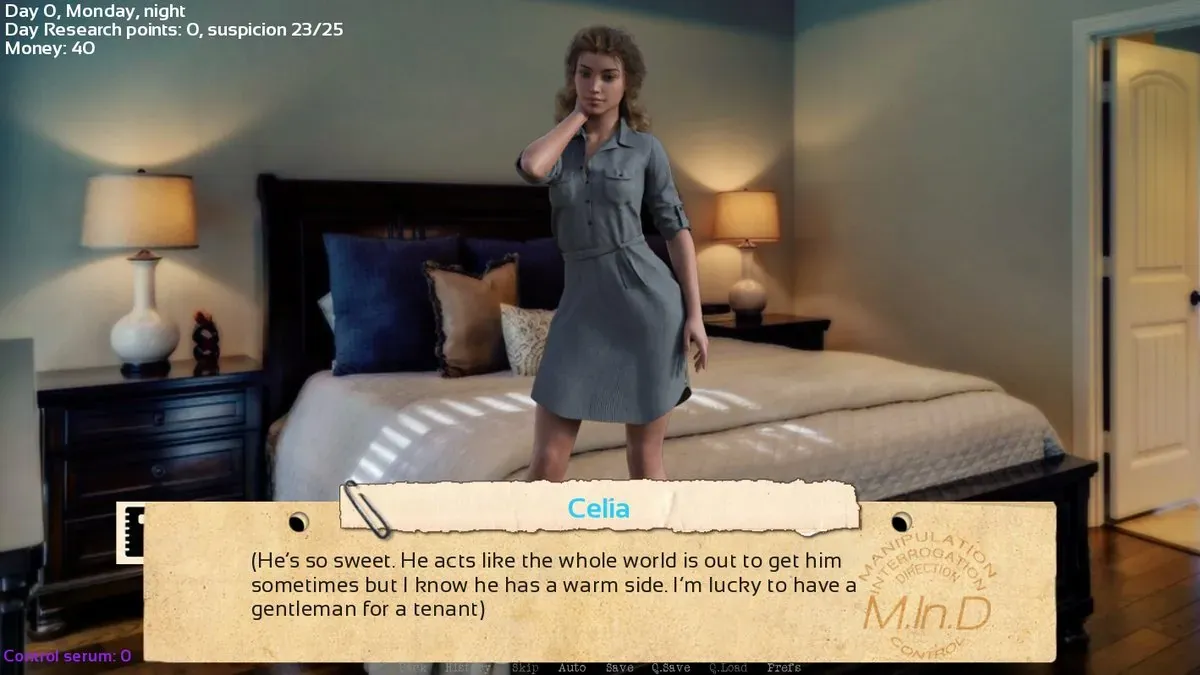
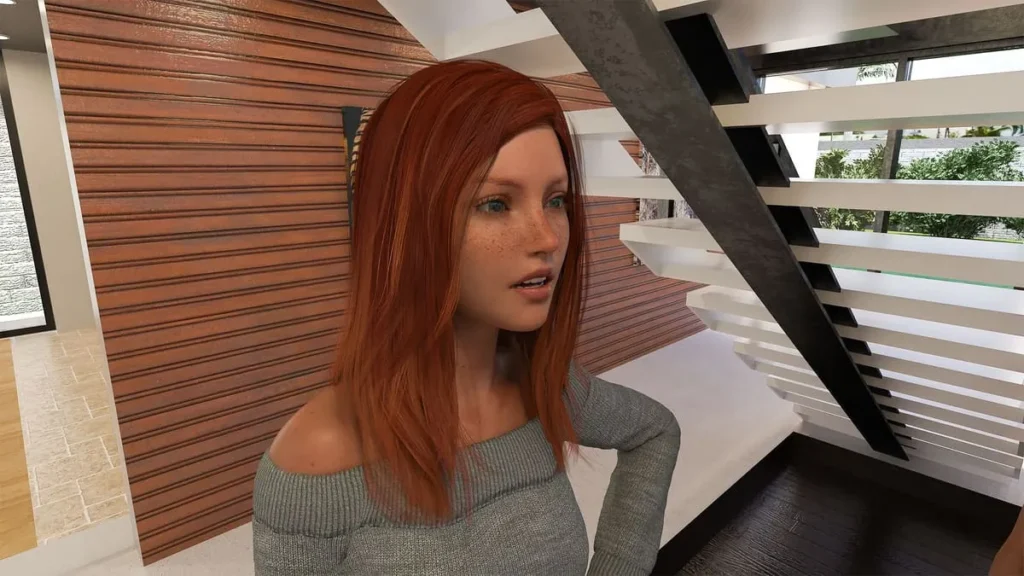
First impressions matter, and Radiant makes a stunning one. Stepping away from static 2D sprites or limited animations, the game is built on a foundation of gorgeous 3D graphics and animations. This isn’t just a visual upgrade; it’s a fundamental enhancement of the interactive storytelling promise.
Characters move with realistic weight and emotion. A hesitant glance, a nervous shift in posture, a defiant smirk—these subtle 3D graphics and animations convey subtext that words alone cannot. You can read a character’s tension in the way they cross their arms during a difficult conversation. The environments are equally detailed, from rain-drenched city streets that glimmer under neon signs to the warm, sun-dappled interiors of a cozy apartment. This visual fidelity pulls you deeper into the world, making every consequence feel more real.
But all the beauty in the world means nothing if the game is a chore to play. Thankfully, Radiant features an interface and control scheme that is elegantly simple. Whether you’re on PC or using a controller, the learning curve is almost non-existent.
- Exploration: Use standard movement keys or the analog stick to walk around environments. Interactive objects glow gently. A single button is used for all context-specific actions: talking, examining, or picking up items.
- Dialogue Navigation: During conversations, your choices are displayed in a clear, unobtrusive wheel or list. You can often use number keys or the D-pad for swift selection, keeping the flow of conversation natural.
- Menu & History: A quick-access menu lets you review your relationship status with key characters, revisit your recent choice history (a lifesaver for long play sessions!), and adjust settings. The text log, a staple of visual novel mechanics, is fully searchable and beautifully integrated.
The UI is clean, transparent, and gets out of the way. Important information is presented when you need it, without cluttering the immersive 3D graphics and animations. For new players, my biggest piece of actionable advice is this: use the ‘pause’ feature liberally. When a major choice appears, don’t feel pressured to click immediately. Hit the pause key, get up, walk around, and think it over. The game will wait. This small habit can transform a reactive experience into a deeply thoughtful one.
To see how these elements stack up against common expectations for the genre, take a look at this breakdown:
| Feature | Radiant’s Implementation | Impact on Experience |
|---|---|---|
| Graphics & Visuals | Full 3D character models and environments with dynamic lighting and weather. | Creates unparalleled immersion, making the world and emotions feel tangible and real. |
| Control Scheme | Intuitive context-sensitive controls for both keyboard/mouse and controller. | Removes barrier to entry, allowing players to focus entirely on the story and choices. |
| Narrative Branching | Hidden relationship/web system driving hundreds of minor and major plot variations. | Delivers genuine player agency and consequences, ensuring no two stories are identical. |
| Voice Acting | Fully voice-acted dialogue for all main characters with performance-captured nuance. | Brings characters to life, adding layers of emotion and subtext to every interaction. |
| Replayability Factor | Driven by multiple story paths, secret endings, and the desire to explore “what if?” scenarios. | Encourages repeated playthroughs not as a chore, but as a compelling exploration of narrative possibility. |
Ultimately, Radiant is more than the sum of its parts. The lush 3D graphics and animations make you care about the world. The intuitive controls make navigating it a joy. And the profound, choice-driven gameplay ensures that your time in that world has lasting meaning. It’s a game built for replays, not out of obligation to find missing collectibles, but out of a burning curiosity to see how a different version of “you” would change everything. It’s an invitation to write your own story, again and again, each one uniquely radiant. ✨
Radiant delivers a compelling gaming experience that combines choice-driven narrative design with immersive 3D graphics and meaningful character interactions. The game’s strength lies in its ability to balance engaging storytelling with player agency, ensuring that every decision feels consequential and impacts your journey through the narrative. Whether you’re drawn to the complex character relationships, the mystery-driven plot, or the variety of gameplay options available, Radiant offers substantial content with high replayability value. The inclusion of both multiplayer and single-player modes, along with Discord integration, creates a well-rounded experience that caters to different play styles. For players seeking an adult-oriented visual novel with depth, emotional resonance, and meaningful choices, Radiant stands out as a noteworthy title that rewards engagement with its story and characters. The game continues to receive updates and development attention, ensuring fresh content for the community.