Grandma’s House
Play Grandma’s House
Grandma’s House Screenshots







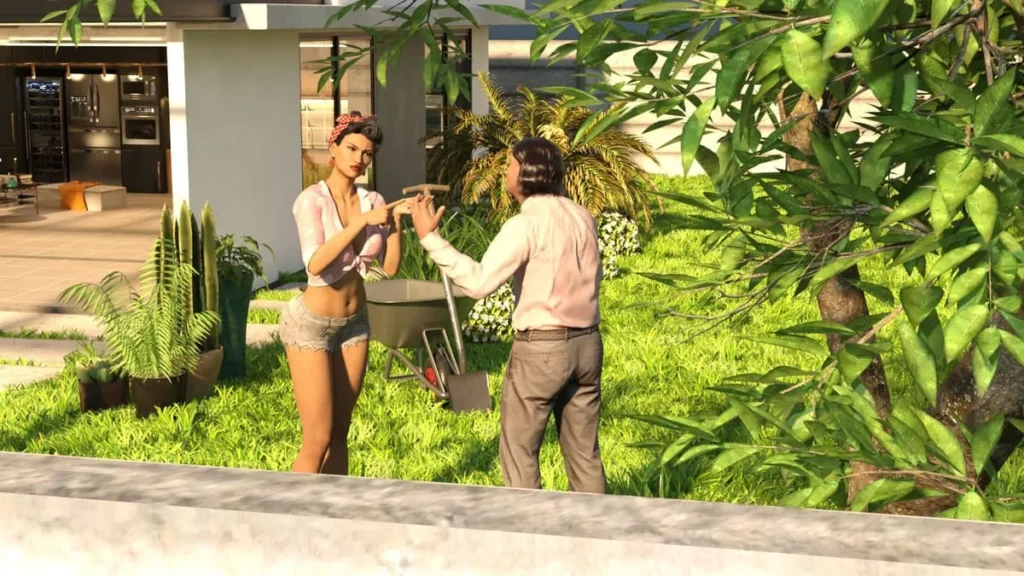




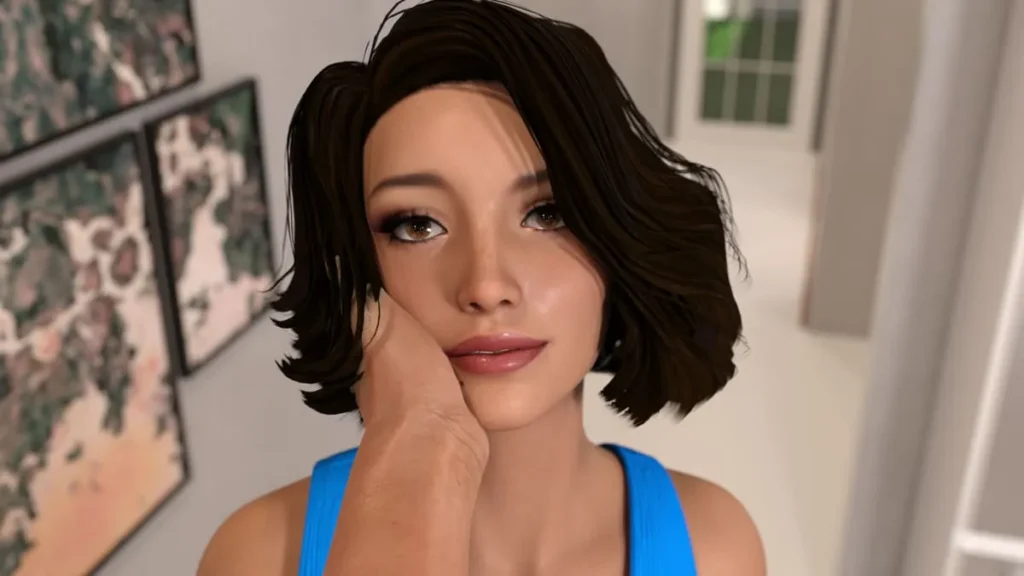



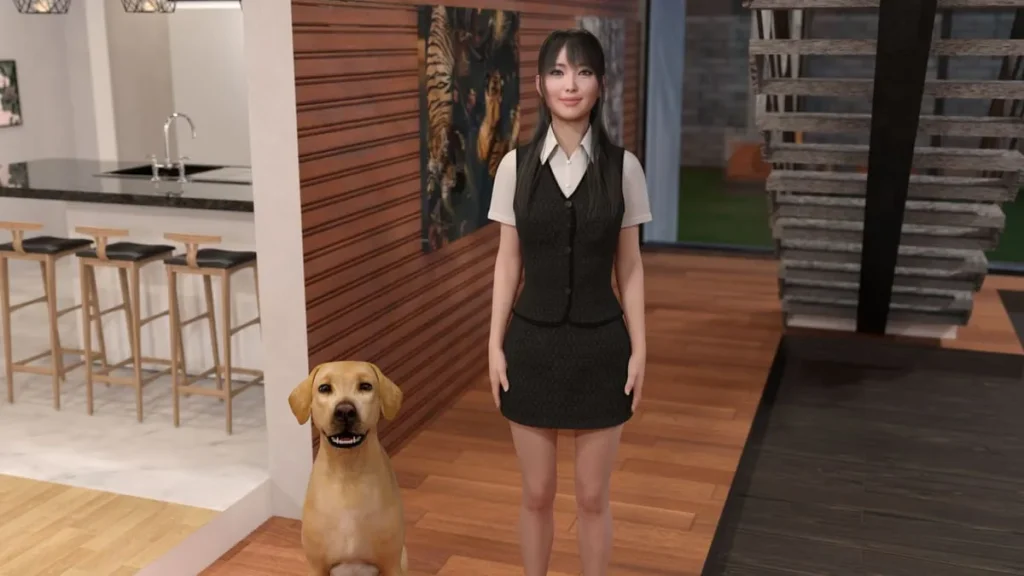



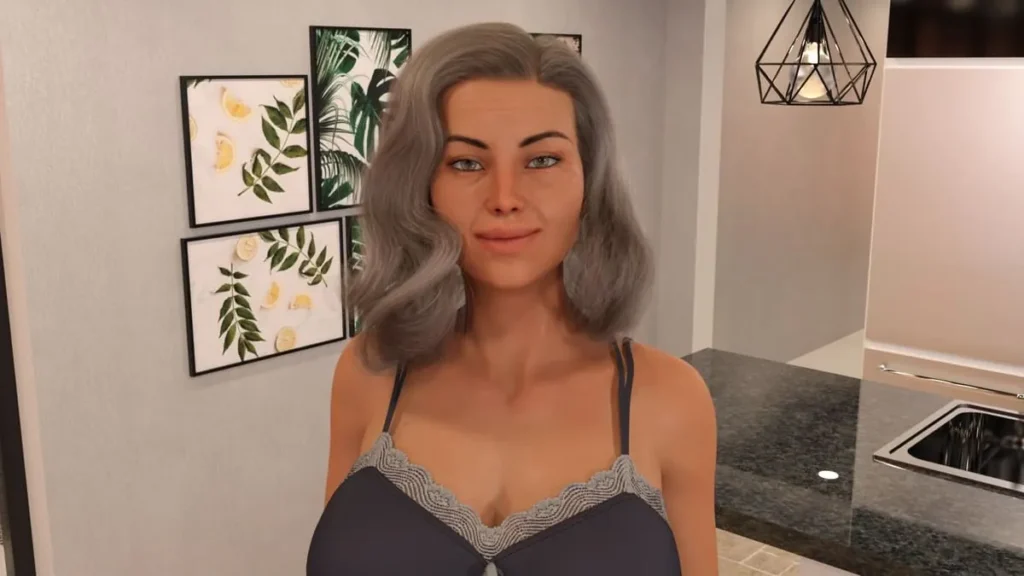

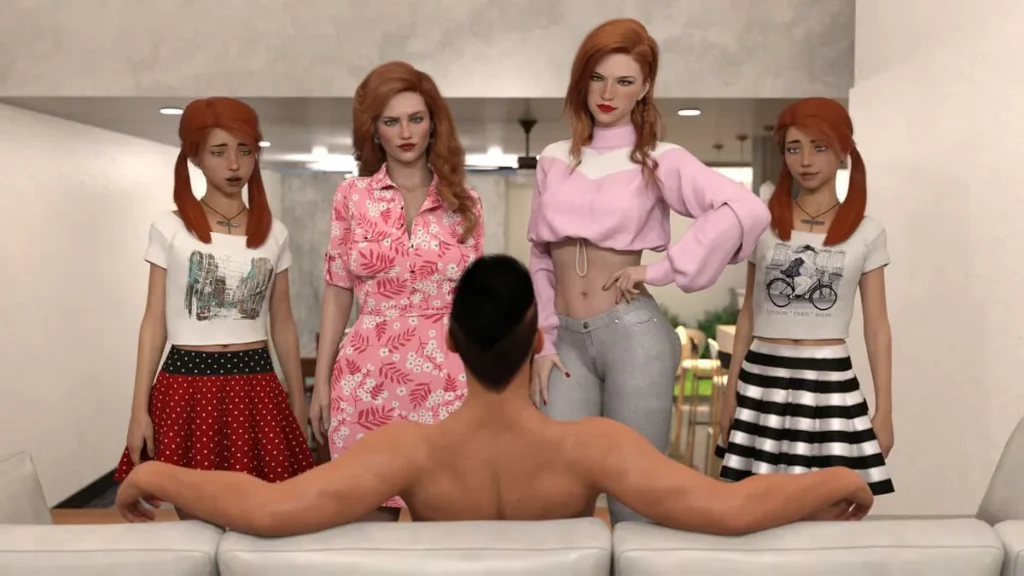

Grandma’s House review
Master gameplay mechanics, character relationships, and story progression in this adult visual novel
Grandma’s House stands out as a sophisticated adult visual novel that prioritizes character development and meaningful relationship progression over rushed content. Developed by MoonBoxGames, this game combines engaging storytelling with player choice mechanics that genuinely impact narrative outcomes. Whether you’re new to the game or looking to optimize your playthrough, understanding the core systems—from character trust mechanics to decision-making consequences—is essential for experiencing everything this title offers. This guide explores the game’s unique approach to relationship building, character arcs, and the strategic choices that shape your journey.
Understanding Grandma’s House: Game Mechanics & Character Systems
Ever felt like you’re just clicking through a visual novel, your choices amounting to little more than a slightly different line of dialogue? 😤 I know I have. That’s why diving into Grandma’s House game mechanics was such a refreshing surprise. This isn’t a game where you speed-run to the finish line; it’s a thoughtful, character-driven experience where every interaction carries weight. At its heart, the Grandma’s House experience is built on two interlocking pillars: a deep character trust system visual novel fans will adore, and unique submission mechanics gameplay that rewards patience and attention. Your journey here is uniquely yours, shaped entirely by the player choice consequences you accumulate along its branching storyline paths.
Understanding these systems isn’t just helpful—it’s essential to enjoying the game as intended. Think of it like getting to know real people. You wouldn’t expect a deep, personal confession from someone you just met, right? 👋 The game mirrors that reality, and mastering its flow is the key to unlocking its most rewarding moments. Let’s break down exactly how it all works.
How Character Trust and Submission Systems Work
The core of your entire experience in Grandma’s House revolves around trust. This isn’t a simple meter you fill by spamming gifts or compliments. Instead, it’s an invisible, narrative-driven gauge that unlocks chapters of a character’s personal story. Each character has their own history, fears, and walls you need to respectfully navigate.
For instance, take Polly or Allie. 🍃 These characters represent the game’s “slow-burn” philosophy. They won’t open up quickly, and trying to force intimate moments before they’re ready will backfire. You need to spend time with them, choose dialogue options that show genuine interest and respect, and slowly prove you’re a safe person. This relationship progression pacing is deliberate. The developers have commented that this design is about “character authenticity”—making connections feel earned and real, rather than transactional.
On the flip side, we have the submission mechanics gameplay. This is often misunderstood. It’s not about dominance in a crude sense, but about a character choosing to give you a specific type of trust—the trust to guide their appearance or dynamic. As a character’s trust in you grows, you may unlock options to suggest changes to their outfit or style. It’s a visual representation of your growing influence and the specific nature of your relationship. Unlocking a new costume for Steph, for example, is a milestone that signifies a deepened, more playful connection.
To visualize the different journeys you can expect, here’s a comparison of how key characters operate:
| Character | Trust Progression Speed | Primary Relationship Types | Key Unlock Insight |
|---|---|---|---|
| Polly, Allie | Slow, Deliberate Burn | Deep Emotional, Romantic | Content is heavily gated behind multiple story beats and private conversations. Rushing is impossible. |
| Veena, Sandra, Karen | Moderate to Fast | Friendly, Flirtatious, Potential for More | These characters are more forward or open, allowing relationship flags to be triggered earlier in the story. |
| Steph | Variable by Path | Romantic or “Bimbo” Path | Your early choices starkly define her route, creating almost separate storylines with different trust triggers. |
This system means you must be patient and character-focused. The game is currently in a partial release state, described by the creator as roughly 1/10th of the complete vision. This is crucial context! It means the branching storyline paths are still growing, and a character’s full story isn’t available yet. The current content is a deep foundation, establishing these mechanics and relationships that will pay off massively in future updates.
Why does this trust-gating matter? It transforms the gameplay from a checklist into a narrative. You’re not just waiting for a “scene”; you’re investing in a person’s story, and the payoff feels meaningful because you worked for it. This design directly leads to richer player choice consequences, which we’ll explore next.
🤔 FAQ: Common Questions About Trust & Content Gating
Q: Why is so much content locked behind high trust levels? It feels slow.
A: The design intentionally avoids “instant gratification.” The slowness is the point—it builds realism, anticipation, and makes the eventual progression feel like a genuine achievement, not a purchased reward. It reinforces that these are relationships, not commodities.
Q: Does this mean I’m just stuck not seeing content for hours?
A: Not at all! The “content” is the growing relationship itself—the conversations, the small moments, and the character development. The game is designed to be enjoyed in the journey, not just for its destinations. Exploring different characters simultaneously also provides variety.
Q: Can I max out trust with everyone in one playthrough?
A: Given the current state of the game and the weight of your choices, it’s highly unlikely. Time management and choice consequences often mean prioritizing some connections over others, which enhances replay value.
Decision-Making: Why Your Choices Matter
In many games, a “choice” might change a single line of text. In Grandma’s House, your choices are the architects of your entire world. This is where the promise of branching storyline paths becomes a tangible reality. The game remembers everything, and decisions often have permanent, cascading effects.
Let me give you a personal example from my first playthrough. Early on, I had the option to go to the pub with Steph or help Ellie with a task. I liked Ellie’s character, but the pub sounded fun. 🤷 I chose Steph. What I didn’t realize was that this simple choice wasn’t just about that evening—it was a major flag for relationship progression pacing. By choosing Steph, I actively cooled Ellie’s interest level. Later, when I tried to pursue Ellie’s story, I found certain doors were already gently closed. The game didn’t yell “ELLIE DISAPPROVES -50”; it just naturally followed the consequence that I had prioritized someone else. This is the essence of player choice consequences done right.
These consequences create truly separate narrative lanes. The most famous example is with Steph. Your early interactions with her determine which of two vastly different routes you’re on:
* The Romantic Route: This path focuses on a more traditional, caring partnership.
* The “Bimbo” Route: This path explores a dynamic centered on aesthetics, playfulness, and a different kind of mutual understanding.
Choosing one isn’t just a different ending—it’s a different story with unique scenes, dialogue, and trust triggers. It’s a perfect case study for a character route selection guide: your initial approach defines the entire arc. There’s no “right” answer, only the path you want to explore.
This extends to the contact system as well. Who texts you, what they say, and what opportunities they offer are all dictated by your chosen route and standing with each character. Miss a key moment with Karen, and your phone might stay silent regarding her subplot. This makes every playthrough feel personal and distinct.
Pro Tip: Don’t save-scum through your first playthrough! The beauty of Grandma’s House game mechanics is experiencing the natural, sometimes unexpected, consequences of your actions. Let the story unfold organically, then replay to explore different branching storyline paths.
Relationship Progression and Pacing Philosophy
So, we understand that choices matter and trust is key. But how does it all flow together? The relationship progression pacing in Grandma’s House is a masterclass in delayed gratification. This isn’t a sprint; it’s a leisurely, sometimes meandering, walk through a complex garden of interpersonal connections. 🌷
The game’s philosophy is clear: meaningful relationships take time. This is reflected in the character trust system visual novel framework. You’ll spend many in-game days just talking, sharing minor moments, and building a foundation. A character like Polly might require you to learn about her past, comfort her in specific situations, and simply be a consistent, reliable presence before she even considers you a close friend, let alone anything more. This “slow-burn” approach is a deliberate design decision that some players adore and others find challenging—but it’s central to the game’s identity.
This pacing directly informs the submission mechanics gameplay. You cannot rush it. A suggestion about clothing will only be welcomed when a character trusts you in that specific way. It’s the final piece of a puzzle you’ve been patiently assembling, not a power you unlock from the start.
For players used to more direct visual novels, this can be a shift. Here’s a bit of actionable advice to navigate it:
- Talk to Everyone, Every Day: Seemingly trivial chats build the foundation of trust.
- Listen Actively: Dialogue options often have a “gentle/respectful” choice that aligns with building slow trust, and a “pushy/flirtatious” one that might advance things faster but risk closing off paths. Choose based on the character’s established personality.
- Embrace the Daily Life: The game is as much about the cozy, mundane moments at Grandma’s House as it is about big romantic payoffs. Enjoy the process of existing in this space.
- Consult a Community-Driven Character Route Selection Guide: Because the game is in early development, community guides are invaluable for understanding which choices lock in certain paths, helping you steer your playthrough toward your desired story.
Remember, the current game is just the beginning. The pacing you experience now is setting the stage for a much larger story. The trust you build, the paths you choose, and the consequences you live with are all establishing a save file that will, ideally, carry forward into future chapters. Your patience now is an investment in a richer story later.
In the end, mastering Grandma’s House isn’t about min-maxing stats. It’s about learning to be present, making thoughtful choices, and appreciating that the best stories aren’t rushed. It’s a game that trusts you, the player, to invest in its world, and in return, it offers one of the most authentic and consequential relationship sim experiences available. Now that you understand the core Grandma’s House game mechanics, you’re ready to step onto the porch, take a deep breath, and start building your own unique story, one meaningful choice at a time. 🏡
Grandma’s House represents a thoughtful approach to adult visual novel design, where character authenticity and meaningful progression take precedence over immediate gratification. The game’s trust and submission systems create genuine stakes for player decisions, making each choice feel consequential rather than arbitrary. Understanding these mechanics—from how character routes diverge to why pacing matters for narrative coherence—transforms your experience from frustration to appreciation. As the game continues development toward its full release, these foundational systems will likely expand with additional characters and storylines. Whether you’re drawn to the relationship-building aspects, the branching narrative choices, or the character-driven storytelling, approaching Grandma’s House with patience and strategic decision-making reveals why it resonates with players seeking depth in adult gaming. Take time to explore different paths, pay attention to how your choices ripple through character relationships, and embrace the game’s philosophy that meaningful connections require investment.