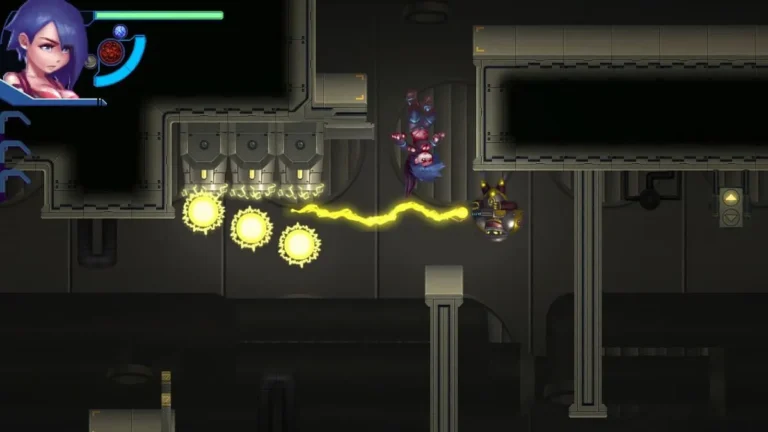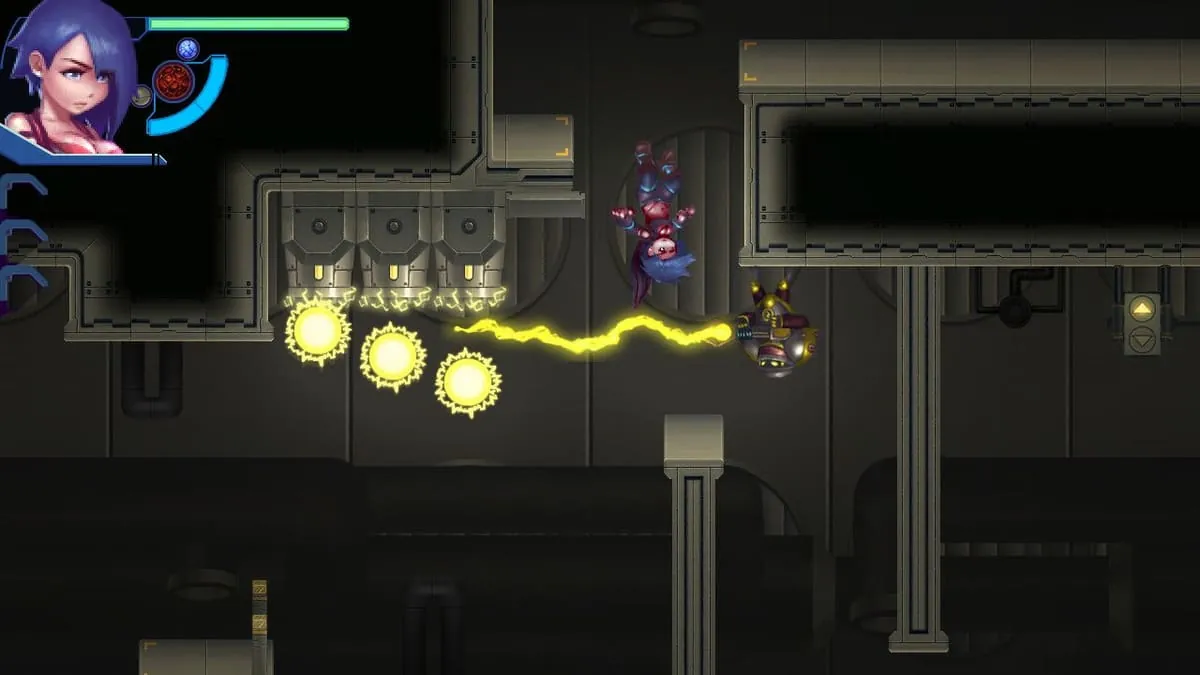
Future Fragments Screenshots
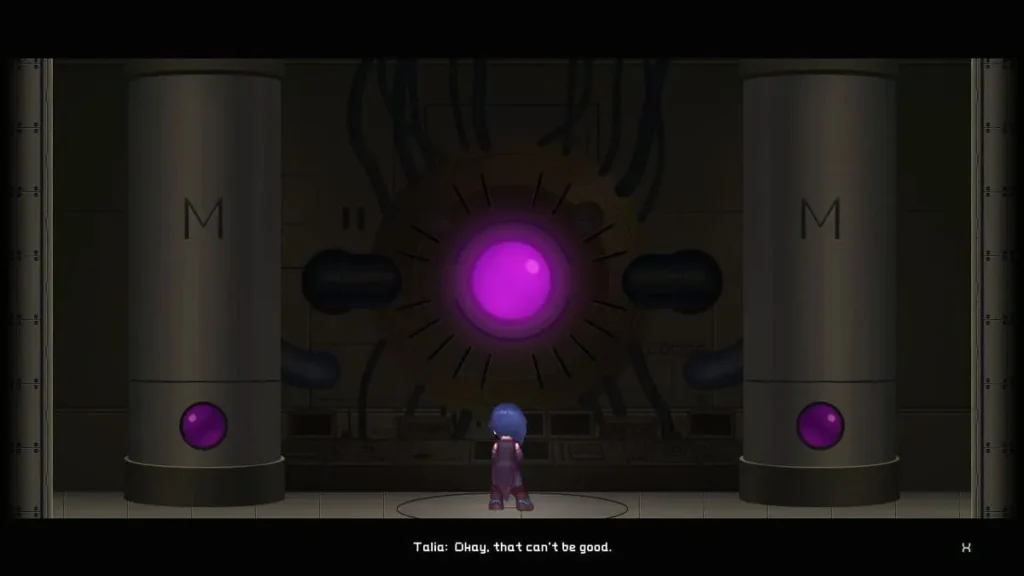

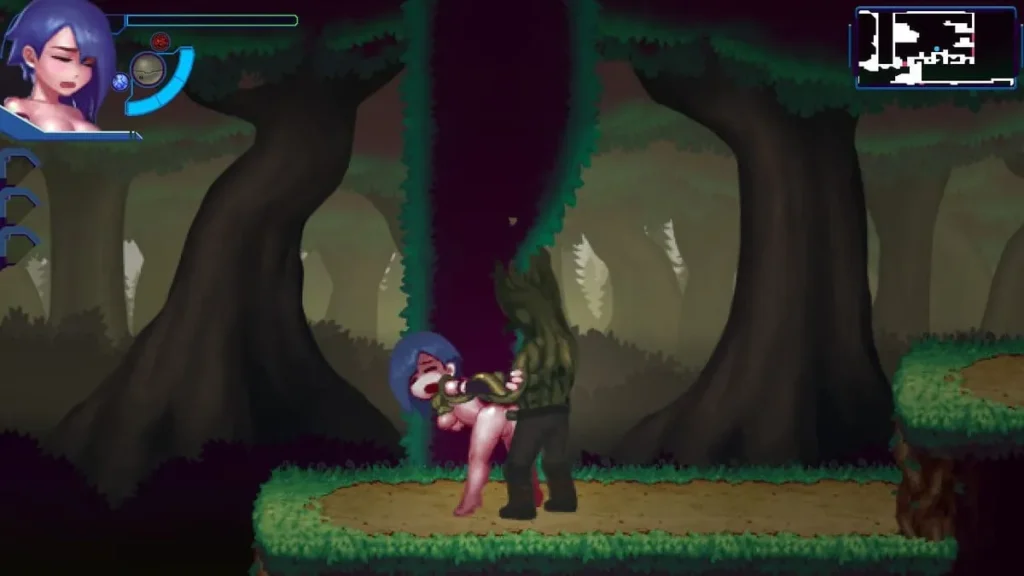

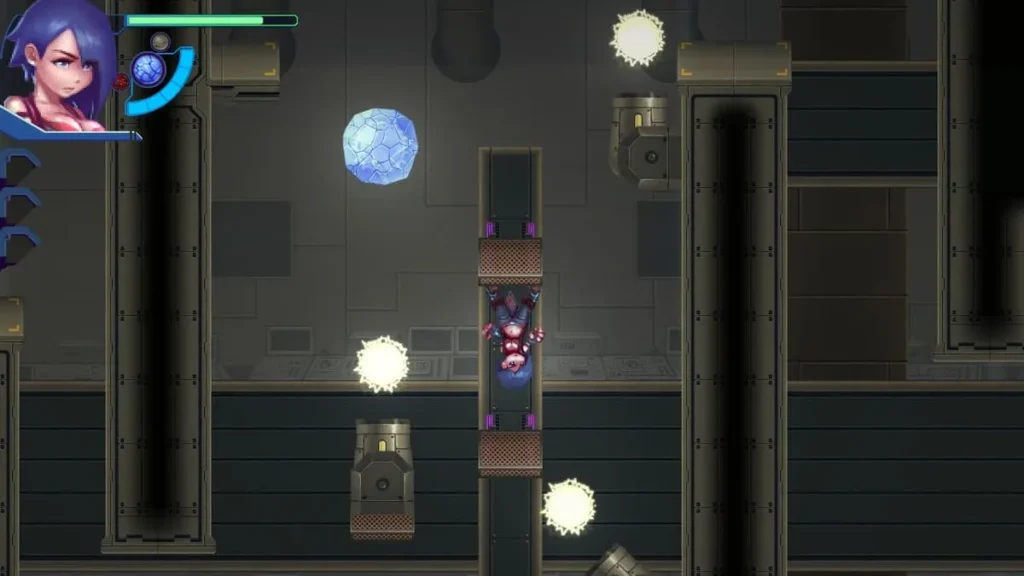

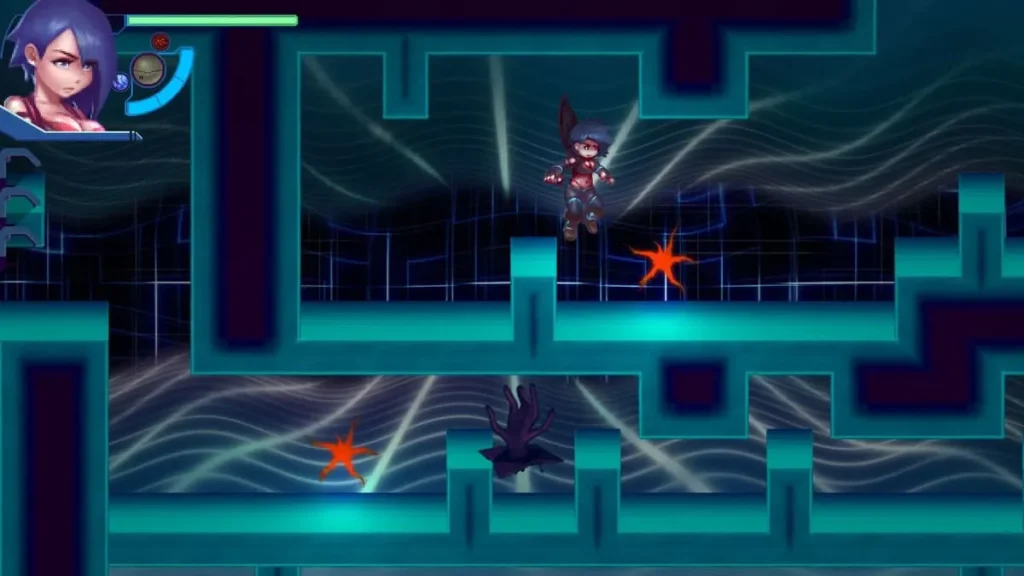
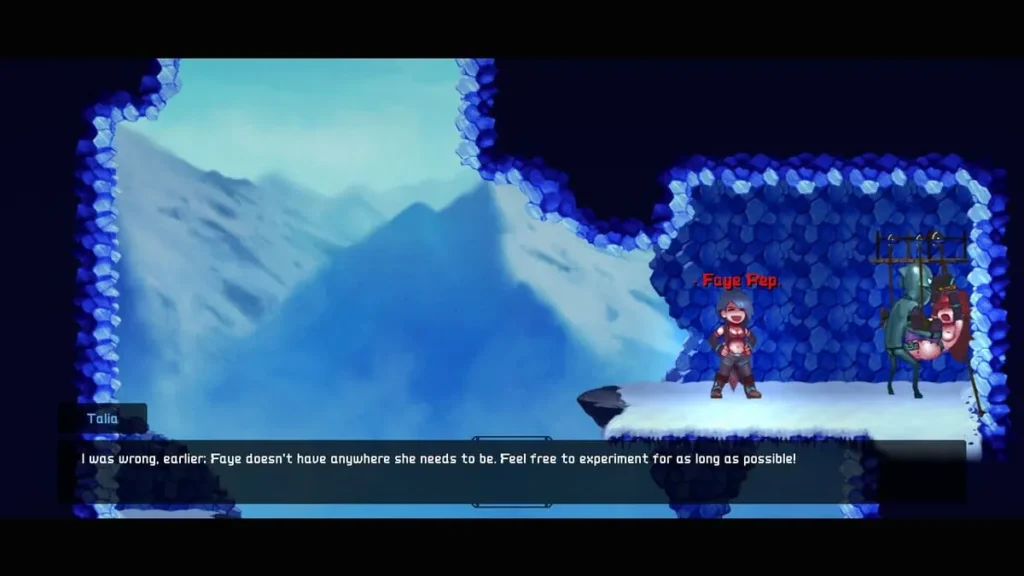
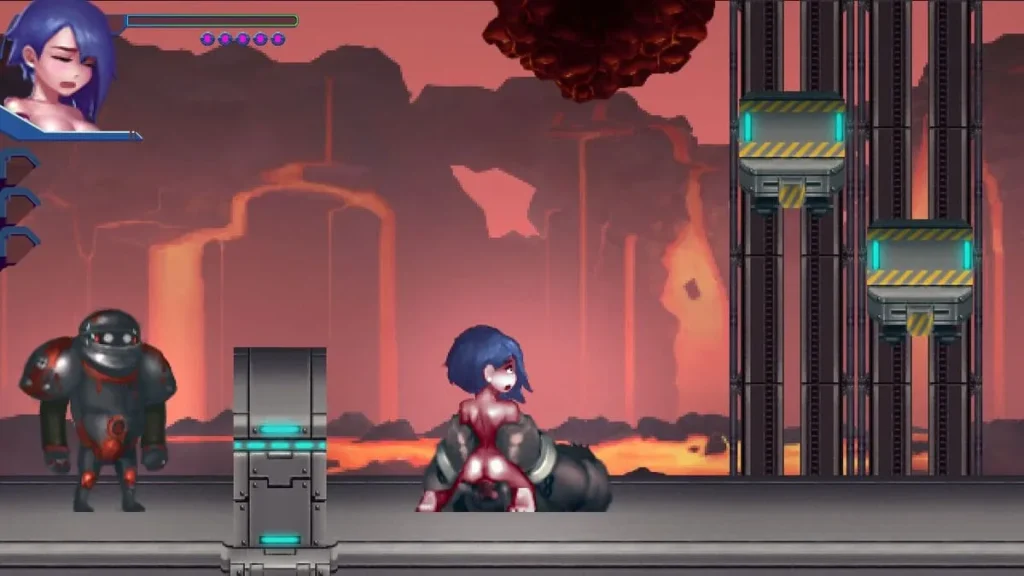
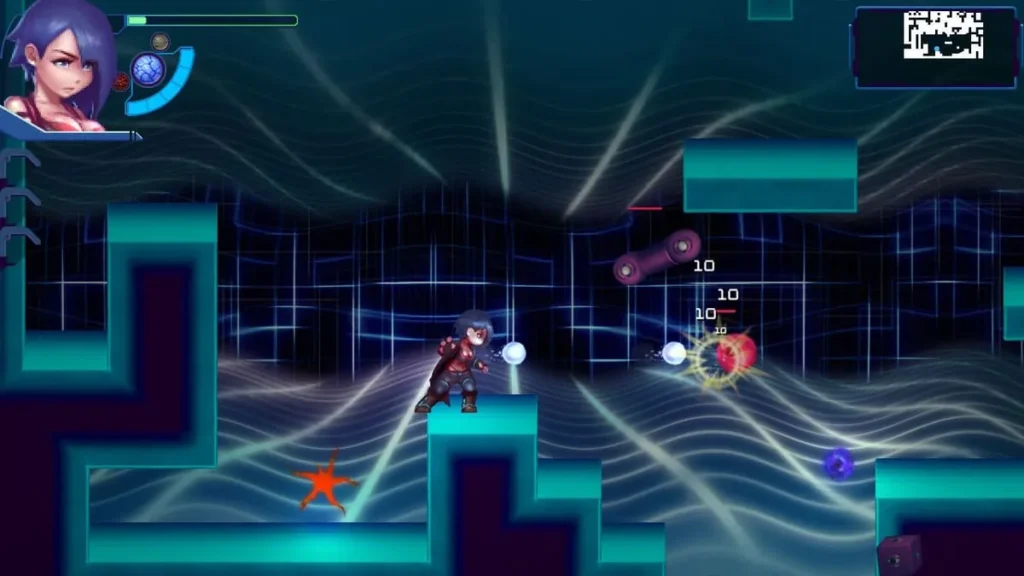
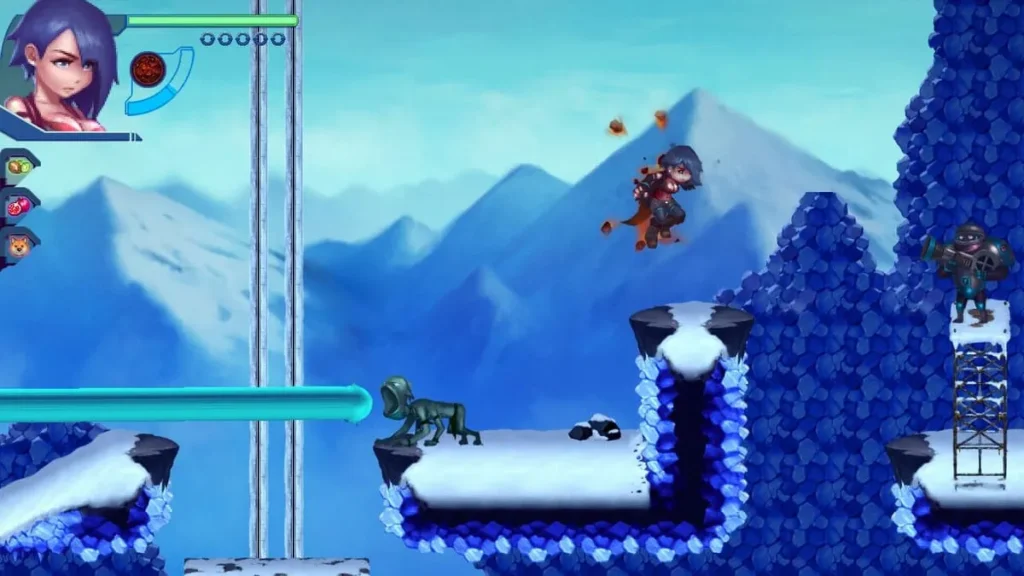
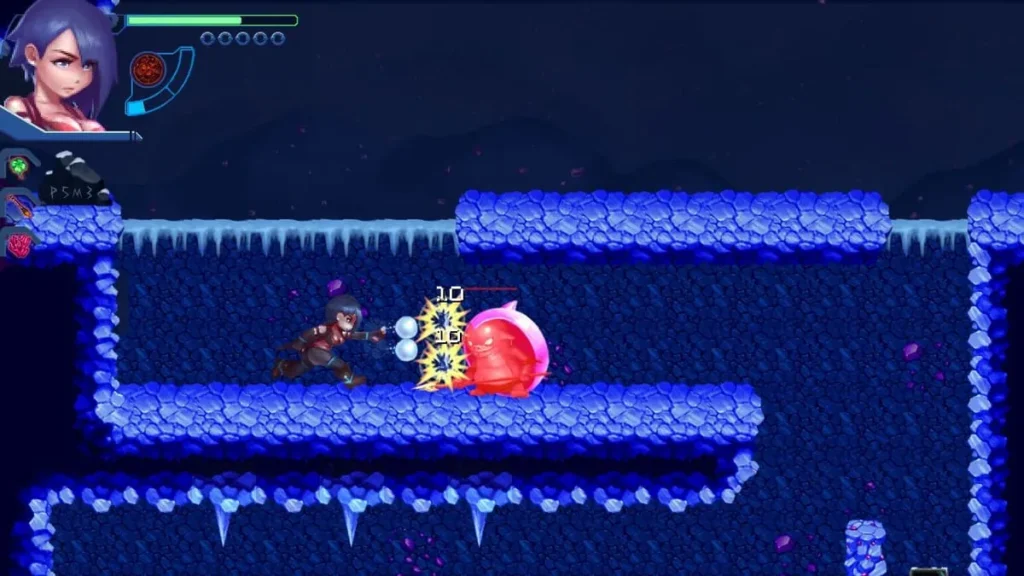
Future Fragments review
Explore gameplay mechanics, story elements, and what makes this title unique
Future Fragments stands out as a modern platformer that blends action-packed gameplay with narrative depth. This adults-only title combines genre-mixing mechanics with English voicework and a branching storyline where player choices genuinely impact the experience. Whether you’re interested in the game’s innovative approach to platformer design, its compelling story elements, or its visual presentation, this guide covers everything you need to know about what makes Future Fragments a distinctive gaming experience.
Understanding Future Fragments: Gameplay and Core Mechanics
Remember that feeling when you boot up a classic platformer, ready for a straightforward run-and-gun adventure, only to realize the story feels like an afterthought? You’re here for the action, sure, but sometimes you crave a world that reacts to you. That’s the itch Future Fragments gameplay scratches so masterfully. It’s not just about jumping and shooting; it’s about navigating a living, breathing narrative where every decision sends ripples through your journey. This title boldly redefines what an action platformer with narrative can be, weaving player agency directly into its core DNA.
Let’s dive into what makes this experience tick, from its brutal combat to its consequential story.
What Defines the Future Fragments Gaming Experience? 🎮
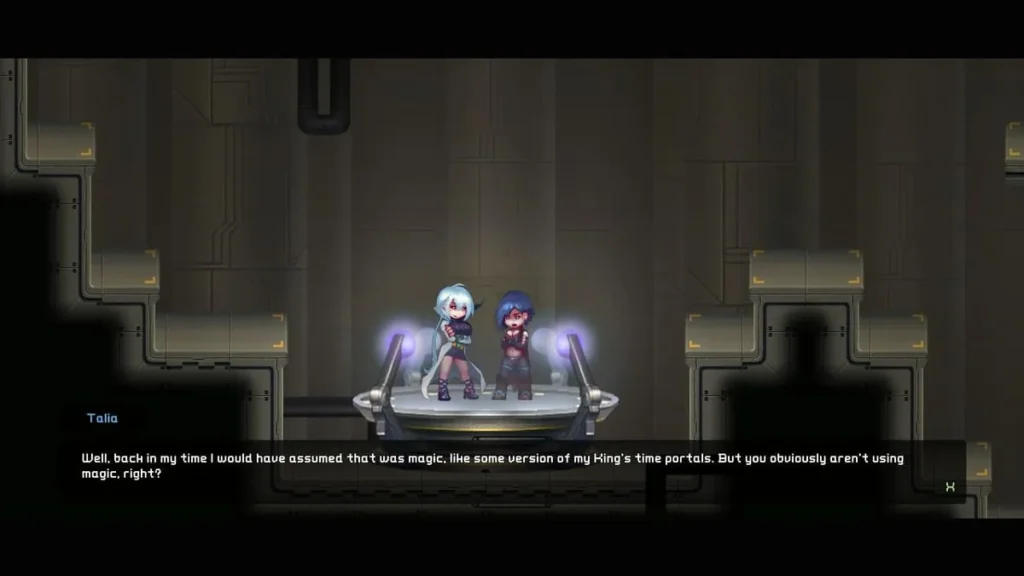
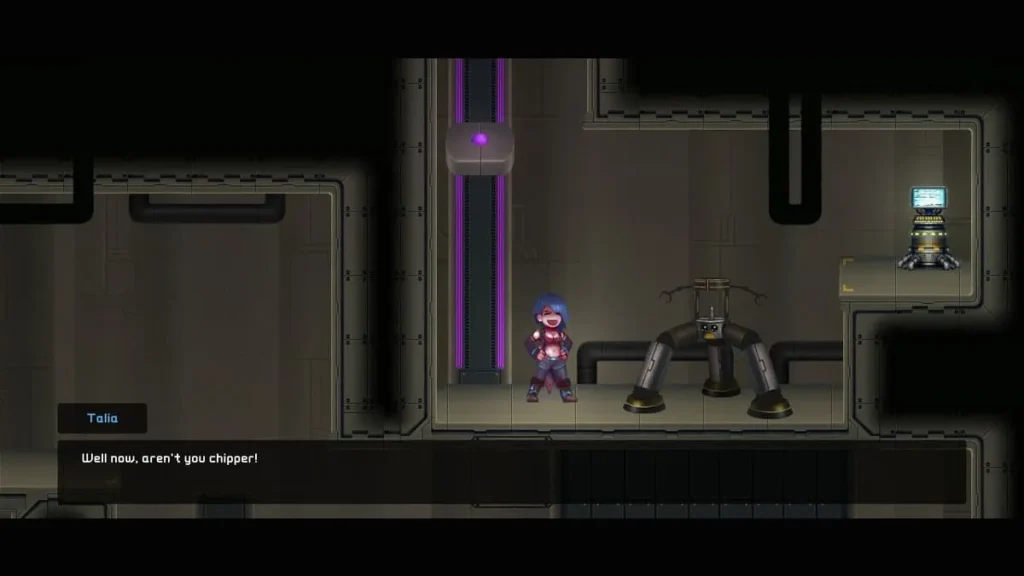
At its heart, Future Fragments is a mission of survival and reconquest. You step into a gritty, futuristic world where your kingdom lies in ruins, overrun by a mysterious mechanical scourge. Your goal? To locate the scattered pieces of an ultimate weapon, the titular “Future Fragments,” to turn the tide. But this isn’t a simple fetch quest. From the moment you start, you’re immersed in a world filled with detailed English voicework that brings every ally, enemy, and desperate survivor to life, deepening the immersion far beyond silent text boxes.
What truly defines this game with meaningful choices is its foundational philosophy: integration. Nothing exists in a vacuum. The shooting affects the story, the platforming opens up new narrative paths, and your moral decisions directly alter the combat challenges you face. You’re constantly engaged on multiple levels—twitch-based reflexes for the action, and strategic thinking for the plot. It’s this seamless blend that elevates the Future Fragments gameplay from a simple action romp to a truly captivating, player-driven epic.
I recall my first session, thinking I could just blast through. I met a group of survivors arguing over limited supplies. I could intervene, ignore them, or even… take the supplies for myself. My choice didn’t just grant a “good” or “evil” point; it determined whether those characters would later appear to help me in a boss fight, sell me crucial gear, or become hostile enemies in a later zone. The world remembered. That moment of realization—that my role-playing had tangible, gameplay-altering consequences—was a game-changer. It transforms every interaction from a scripted moment into a personal stake in the world’s fate.
Hybrid Combat System and Platformer Elements 💥
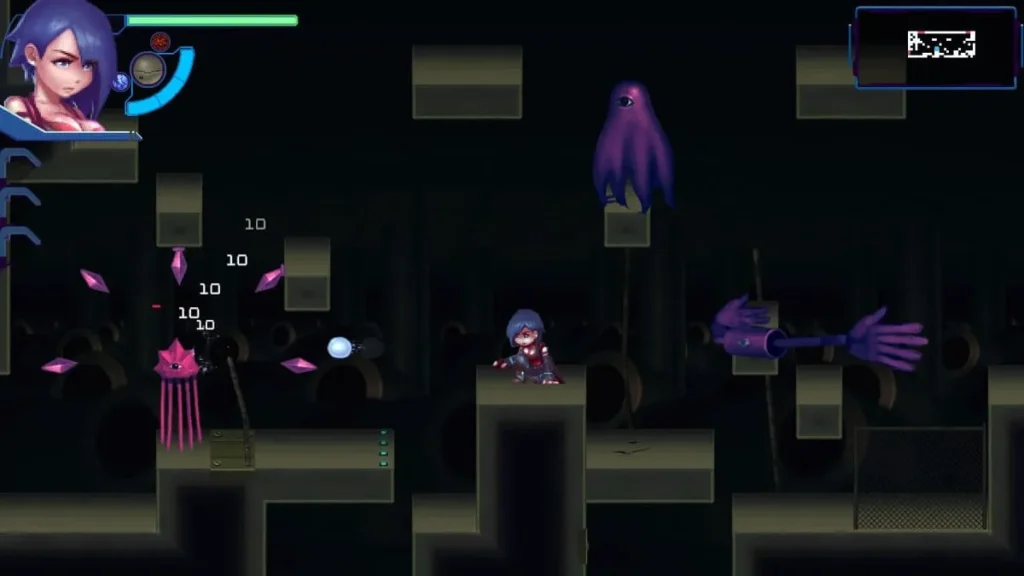
Forget choosing between a pure shooter and a methodical RPG. Future Fragments throws that dichotomy out the window with its brilliant hybrid combat mechanics. This system is the thrilling core of the Future Fragments gameplay loop, and it’s a large part of what justifies the game’s adults-only rating through its intense, visceral action.
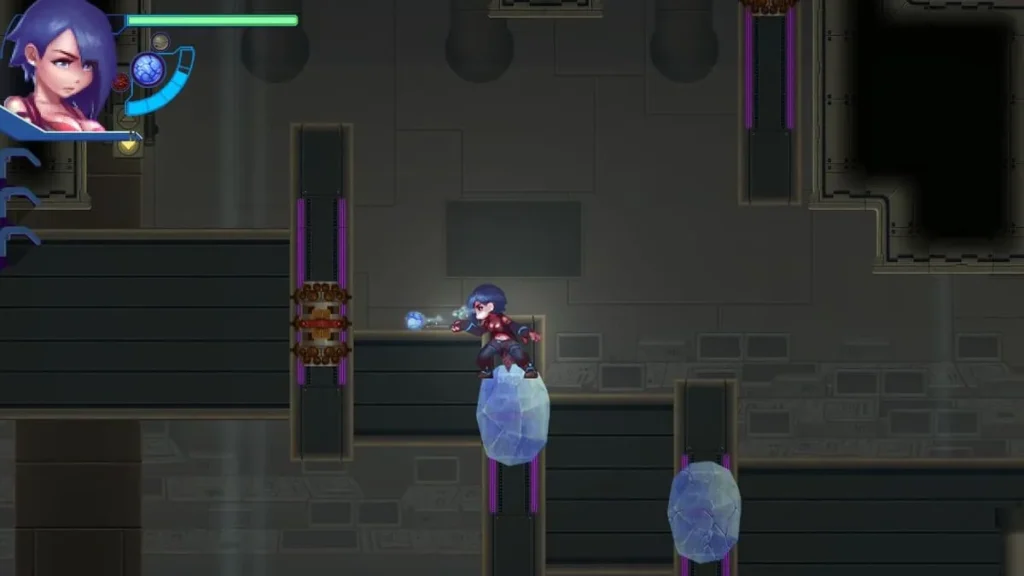
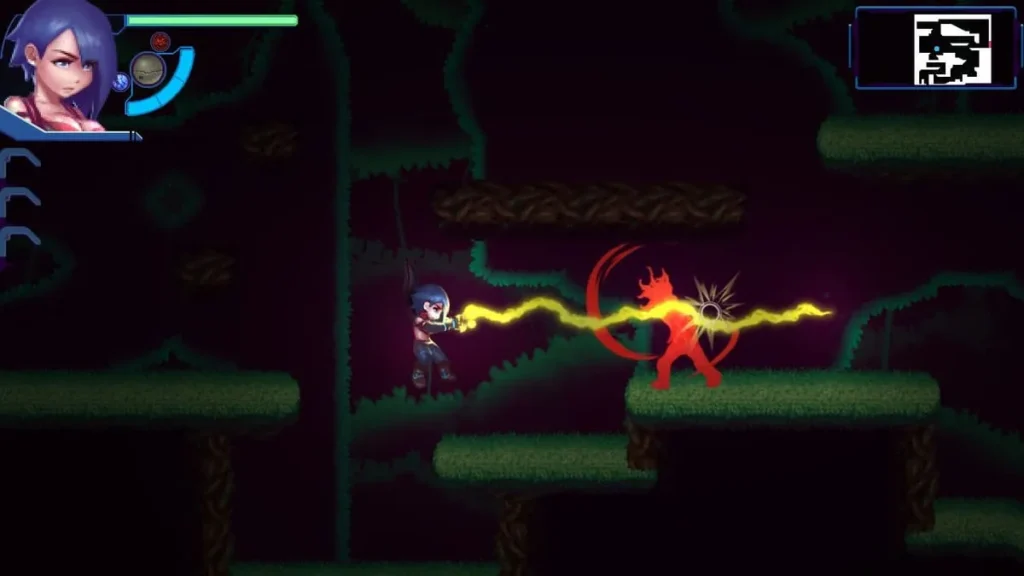
On one hand, you have a suite of realistic, punchy weaponry. Think rapid-fire sidearms, devastating shotguns, and precision rifles—each with a satisfying weight and impact. Dispatching enemies with these tools is immediate and skill-based, demanding quick aiming and smart movement. This is your classic action platformer with narrative foundation: tight controls, challenging enemy placement, and epic boss battles that test your reflexes.
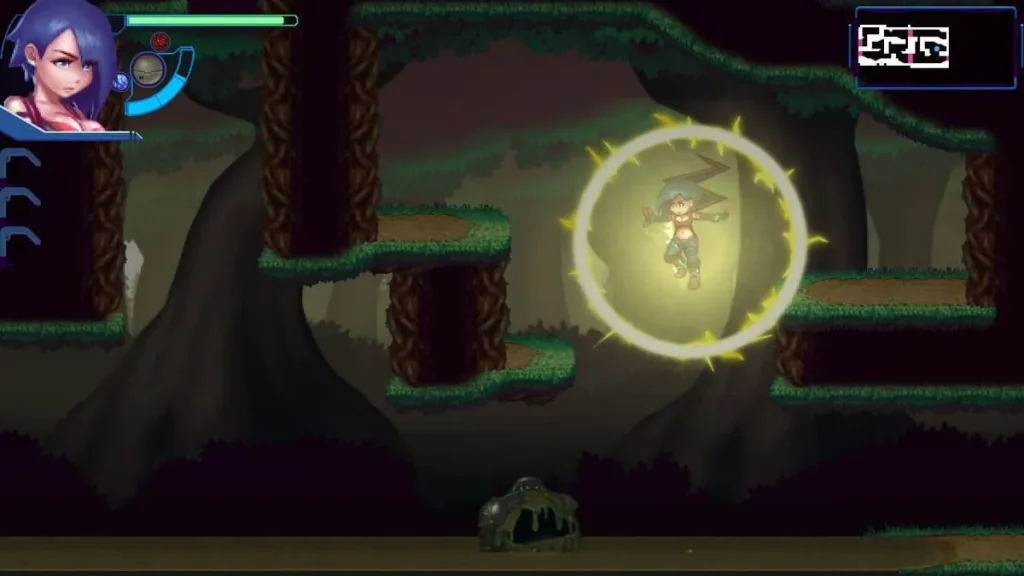
On the other hand, layered perfectly atop this, is a deep RPG-inspired skill system. As you progress, you don’t just find better guns; you unlock and upgrade special abilities that fundamentally alter your combat style. We’re talking about time-slowing fields, explosive drone deployments, energy shields, and melee enhancements. Managing the cooldowns and energy costs for these abilities alongside your ammunition count adds a fantastic strategic layer. Do you use your precious energy to clear a packed room with an area-of-effect blast, or save it to deploy a shield against a boss’s devastating laser attack?
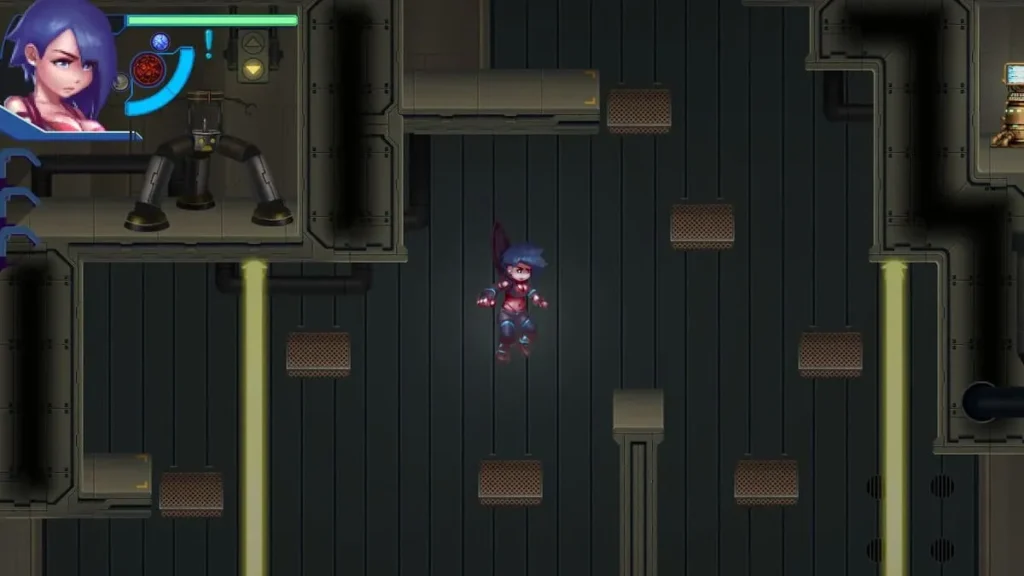
The platforming itself is reimagined for a modern audience. While you’ll perform familiar feats like double-jumps and wall-slides, these mechanics are deeply tied to both exploration and combat. Certain hybrid combat mechanics only become viable if you can reach a high vantage point. Secret areas containing story logs, weapon upgrades, or even alternative paths are hidden behind complex platforming sequences. The environment isn’t just a backdrop; it’s a puzzle and a toolkit. I once avoided a brutal fight entirely by using a series of precise wall-jumps to access a ventilation shaft above the main corridor, which led me to a terminal that could disable the enemy squad. The game rewarded my exploration and platforming skill with a narrative shortcut.
This seamless fusion is what sets it apart. To illustrate just how different this approach is, let’s look at a direct comparison.
| Feature | Traditional Platformer | Future Fragments |
|---|---|---|
| Combat Focus | Typically simple, projectile-based with power-ups. | Hybrid combat mechanics blending FPS-style weapon handling with RPG ability cooldowns and skill trees. |
| Character Progression | Often linear (get new weapon, keep it). | Non-linear skill tree allowing for builds focused on stealth, brute force, or tech abilities. |
| Platforming Role | Primary method of traversal and obstacle avoidance. | Integrated with combat and exploration; used to gain tactical advantages and unlock story secrets. |
| Narrative Integration | Story often separate, told in cutscenes between levels. | Story is environmental and choice-driven; the platformer with branching storyline design means how you move through the world changes the tale. |
| World Reactivity | Minimal; enemies respawn, world state is static. | High; enemy placement, ally availability, and even level geometry can change based on earlier player choice impact game decisions. |
Story-Driven Progression and Player Choice Impact 📖
This is where Future Fragments truly shines and carves its unique identity. Calling it a platformer with branching storyline almost undersells it. This is a narrative engine disguised as a game, where the Future Fragments story is not something you watch, but something you build—and potentially break—with every decision.
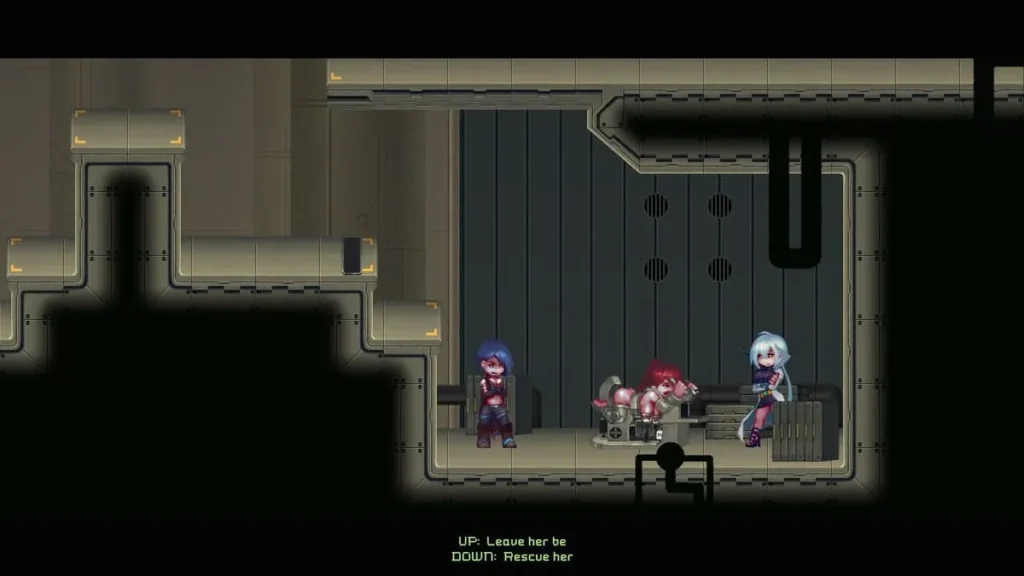
The branching isn’t about picking a “good” or “evil” dialogue option at a few key junctions. It’s systemic. It’s woven into how you complete objectives, how you treat non-combatants, and even how you explore. Early on, you might encounter a wounded enemy soldier begging for mercy. The “choice” isn’t presented with a pause menu. You simply decide, in real-time, to administer a health pack, execute them, or walk away. Each action sends a unique signal to the game’s narrative code, influencing which characters trust you, what information you receive, and what endings remain possible.
Pro Tip: Talk to everyone, and revisit areas after major story beats. Characters you’ve helped may offer new side-quests that reveal critical backstory or provide unique upgrades, directly tying your compassion to your power.
This player choice impact game design means your playthrough is authentically yours. My first run was a “by any means necessary” mission. I was ruthless, taking resources and leveraging fear to get what I needed to save the kingdom. The story reflected this: allies were scarce, the world felt darker, and the final confrontations were brutal tests of my combat prowess because I had no one to call for help. My second run, focusing on diplomacy and aid, felt like a different game. New areas opened up through alliances, bosses had additional weaknesses revealed by informants, and the emotional tone of the Future Fragments story was one of hope and rebuilding.
The ultimate proof of this system is the ending. Future Fragments doesn’t have one or two endings; it has a spectrum of conclusions based on a hidden web of narrative flags you’ve triggered throughout your journey. Did you prioritize saving civilian enclaves or military outposts? Did you destroy or repurpose the enemy’s central AI? Did you manage to recover all the Fragments, or did you sacrifice some for a greater immediate good? The final cutscene and epilogue will stitch together the consequences of these actions, offering a resolution that feels uniquely earned. This makes it a quintessential game with meaningful choices, where no two players are guaranteed to see the same story.
Let’s look at a concrete example of how this works in practice.
Example: The Generator Dilemma
In the mid-game “Power Drain” stage, your objective is to restart a district’s power grid. You find the main generator room, but it’s being siphoned by two different groups:
* Group A (Refugees): Using the power for a life-supporting medical bay.
* Group B (Militia): Using the power to charge a security grid protecting a food stockpile.
Your Potential Actions & Consequences:
1. Restore Full Power to the Grid (Neutral Path): You bypass both groups’ taps. You complete your mission efficiently. Consequence: The medical bay fails, killing several refugees (removing potential vendors and healers from later hubs). The militia, without their grid, lose their food to raiders, becoming desperate and hostile in a future zone, ambushing you on sight.
2. Divert Power to the Medical Bay (Compassionate Path): You help the refugees. Consequence: They survive and later provide you with a permanent health regeneration passive skill. However, the angry militia, blaming you for their lost food, will later sabotage a bridge you need, forcing a longer, more dangerous alternate route filled with platforming challenges.
3. Divert Power to the Security Grid (Pragmatic Path): You ally with the militia. Consequence: They secure their food and grant you access to their armory, giving you a powerful unique weapon. The refugees perish, closing off their questline and making certain late-game areas harder due to a lack of healing support.
This single dilemma, resolved in minutes, can alter your character’s capabilities, the level design you experience next, and the roster of alive NPCs for the rest of the game. This is the Future Fragments gameplay promise in a nutshell: your story, your way, with real weight behind every command.
The Future Fragments story is therefore not a passive element. It’s the ultimate reward and the ultimate challenge. By masterfully blending the immediate thrill of its hybrid combat mechanics with the long-term investment of a platformer with branching storyline, it creates an experience that stays with you long after the credits roll. You’re not just playing through a tale of saving a kingdom; you’re authoring your own version of it, one fraught, impactful decision at a time. This deep integration of narrative and interaction is what makes exploring the world of Future Fragments a uniquely personal and unforgettable adventure in the realm of action platformer with narrative titles.
Future Fragments represents an innovative approach to modern platformer design by seamlessly integrating action-packed gameplay with meaningful narrative choices and character-driven storytelling. The game’s hybrid combat system, combined with its branching storyline and multiple endings, creates a gaming experience that rewards player engagement and encourages exploration of different narrative paths. With its impressive visual presentation, immersive audio design, and thoughtfully crafted characters, Future Fragments delivers both technical excellence and emotional depth. Whether you’re drawn to the challenging platformer mechanics, the futuristic setting, or the opportunity to shape your own story through meaningful choices, this title offers substantial value for players seeking a mature, narrative-focused gaming experience. The combination of gameplay innovation and storytelling excellence makes Future Fragments worth experiencing for those interested in how modern games can blend multiple genres into a cohesive and engaging whole.