
Foot of the Mountains 2
Play Foot of the Mountains 2
Foot of the Mountains 2 Screenshots

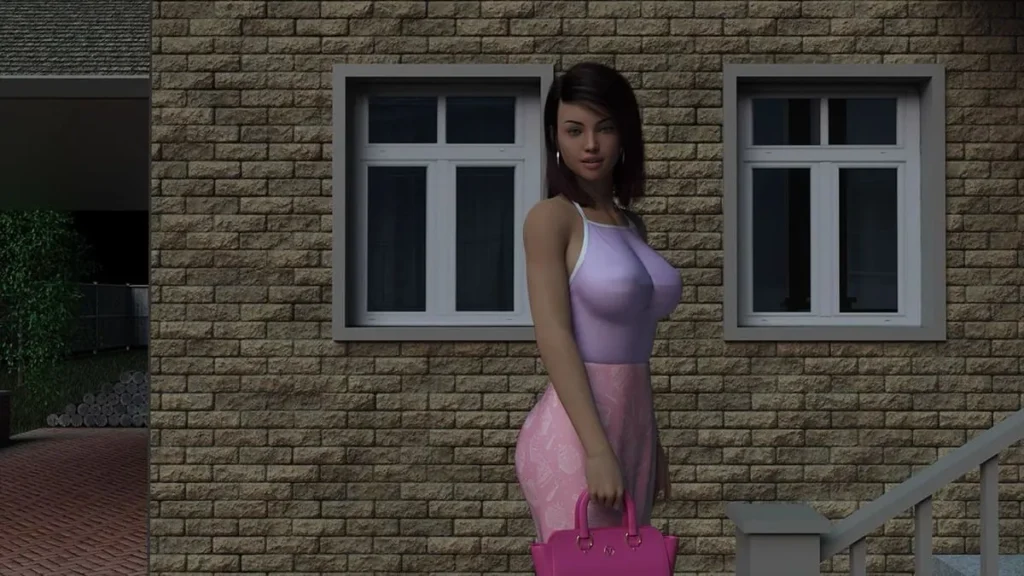

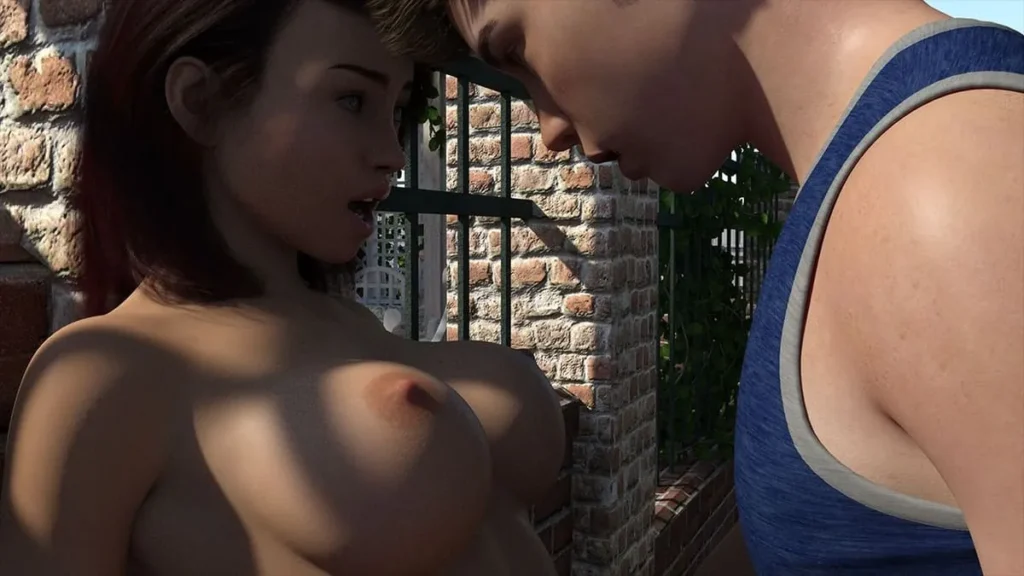



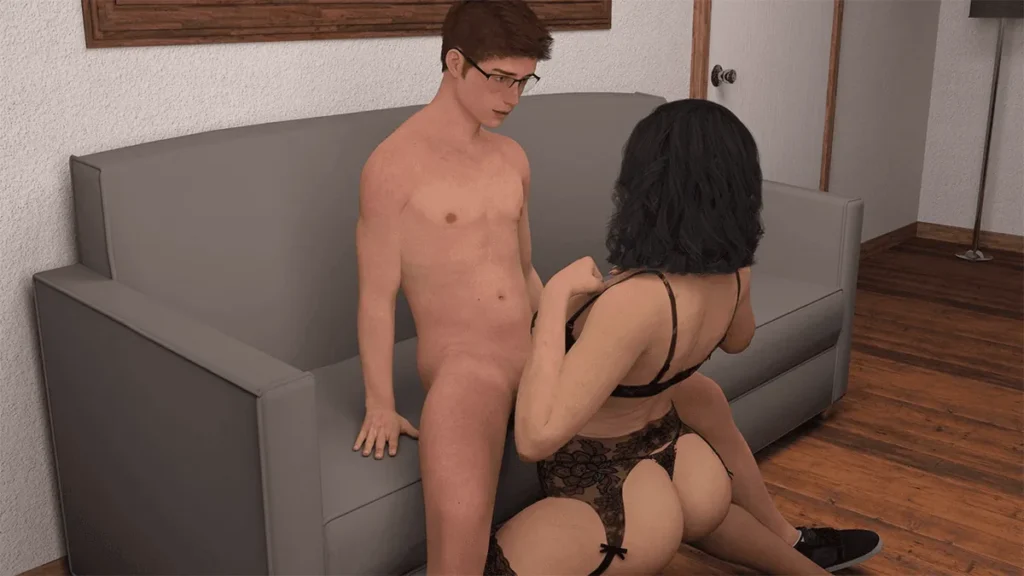

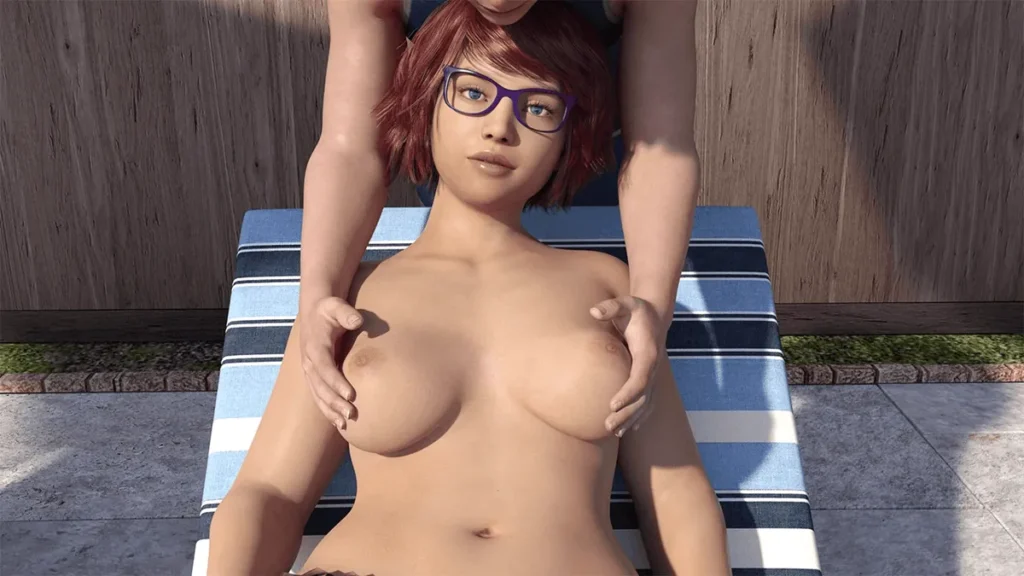


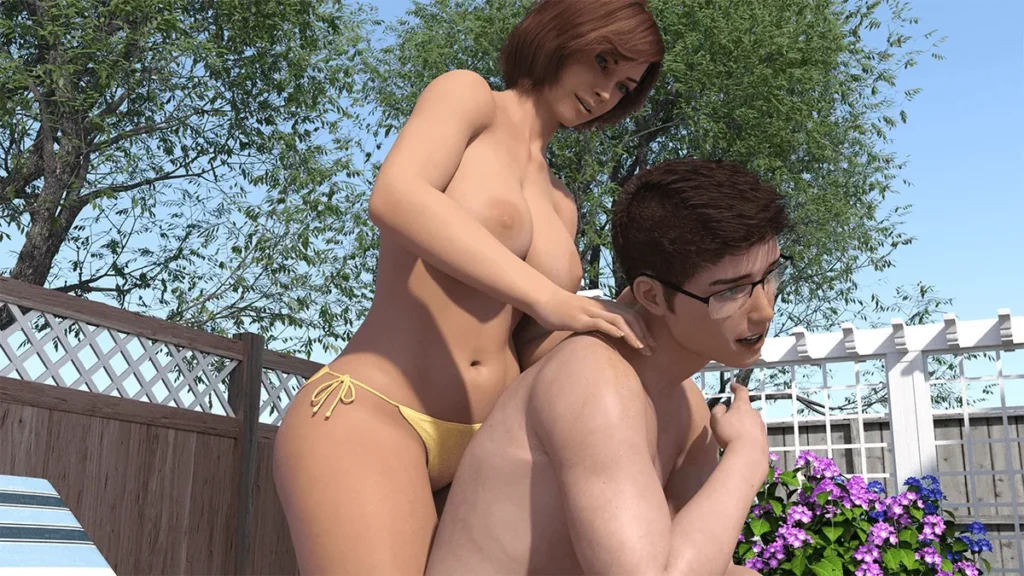
Foot of the Mountains 2 review
A player-first walkthrough and hands-on look at Foot of the Mountains 2
Foot of the Mountains 2 is a narrative-driven adult game that blends investigative storytelling with player choice and character-driven scenes, and this guide dives straight into its systems, key moments, and how to unlock content. In this article I share personal impressions, practical walkthrough tips, and anecdotal notes from playing multiple routes to help you experience the story fully. Expect concrete guidance on exploration, dialogue choices, relationship management, and how to track down hidden events.
Getting Started: Installation, Settings, and First Impressions
So, you’ve decided to brave the wilderness and unravel its secrets? Welcome! 🎮 Getting started with Foot of the Mountains 2 is a breeze, but a few smart moves right out of the gate can transform your experience from good to unforgettable. This guide will walk you through everything from the technical nitty-gritty of the Foot of the Mountains 2 install process to the nuanced settings that make the world sing, all the way to those crucial first steps in the story. Let’s get you from the main menu to the heart of the mystery without a hitch.
How to install and run Foot of the Mountains 2
First things first: getting the game onto your machine. Foot of the Mountains 2 is available on PC (via Steam and GOG), PlayStation 5, and Xbox Series X|S. The process is straightforward, but where you get it can slightly change the steps.
On PC, once you purchase and download through your chosen storefront, the Foot of the Mountains 2 install is typically automatic. 🖥️ You might be prompted to choose an install directory—if you’re tight on space on your C: drive, now’s your chance to pick another! After installation, you can usually launch directly from your library. Occasionally, the first launch might trigger a pre-rendered cutscene or a DirectX/Visual C++ install; just let it run.
A crucial piece of info for PC players is the Foot of the Mountains 2 save file location. Knowing this is a lifesaver for backing up your progress or troubleshooting. On Windows, your saves are usually tucked away in a hidden folder. You can find them here:
C:\Users\[YourUsername]\AppData\Local\FootOfTheMountains2\Saved\SaveGames
Pro tip: Make this folder a shortcut on your desktop! It makes backing up before a big, scary story decision much easier. On consoles, your saves are managed within the system’s storage, but it’s still wise to enable cloud backups if available.
For a smooth Foot of the Mountains 2 install on any platform, just ensure you meet the recommended system specs. The game runs on modest hardware, but for those lush forest canopies and haunting mist effects, a dedicated graphics card really makes a difference. Once it’s installed, take a deep breath—the journey is about to begin. 🌄
Recommended settings and accessibility tweaks
Before you dive into the story, spending five minutes in the options menu is the best investment you’ll make. The default Foot of the Mountains 2 settings are decent, but a few tweaks can dramatically improve clarity, comfort, and immersion.
Let’s break down the essentials. The goal is to see every clue, hear every whispered hint, and play at a pace that feels right for you.
| Category | Recommended Setting | Why It Helps |
|---|---|---|
| Graphics | Shadow Quality: Medium Texture Detail: High Motion Blur: Off |
Medium shadows maintain atmosphere without hogging resources. High textures are crucial for reading environmental details like old letters or carved symbols. Turning off motion blur gives you a clearer image during camera pans, helping you spot hidden objects. |
| Audio | Dialogue Volume: 110% Environmental Volume: 100% Subtitles: On with Background |
Boosting dialogue ensures you catch every cryptic word from NPCs. The environmental sounds are a key part of the ambiance, so keep them balanced. Subtitles with a background are non-negotiable; they’re your lifeline when characters mutter during a storm or when you need to scan text quickly. |
| UI / Gameplay | Text Speed: Faster Interaction Highlights: On Autosave Frequency: High |
Faster text speed gives you control over lengthy conversations. Keeping interaction highlights on ensures you never miss a clickable item in the detailed environments. A high autosave frequency protects you from losing progress after unexpected events… and there will be a few. |
| Accessibility | Text Size: Large Input Remapping: Available Haptic Feedback (Console): Reduced |
A larger text size reduces eye strain during long reading sessions. The game supports full input remapping, which is fantastic for players with different controller needs. Reducing haptic feedback on consoles can prevent fatigue during tense, prolonged sequences. |
These Foot of the Mountains 2 settings are designed with a “player-first” philosophy. They prioritize information and comfort, letting you focus on the narrative and exploration. Don’t be afraid to pause mid-game and adjust further; the audio balance in a windy mountain pass might feel different than in a quiet cabin. 🔧
First-hour impressions and pacing
Alright, the game is installed, your settings are perfect—now, how to start Foot of the Mountains 2 on the right foot? The opening hour is a masterclass in slow-burn atmosphere. You are not an action hero; you are an investigator, a listener, a person stepping into a place heavy with history.
The game begins with your arrival in the remote township of Pinefall, sent to investigate the disappearance of a local hiker. The pacing is deliberate, almost serene, which serves a brilliant purpose: it makes you observe. You’ll meet two key characters early on: Elara, the weary town sheriff who provides your initial briefing, and Old Man Barrett, who runs the general store and seems to know more than he lets on. 🧐
My biggest piece of Foot of the Mountains 2 first hour tips? Talk to everyone, and then talk to them again. After your first chat with Elara, go explore the main street, then return to her. New dialogue options often appear. Secondly, examine everything in your temporary lodgings. The books, the radio, the faded photograph on the dresser—these aren’t just set dressing. They’re world-building that often ties directly into active clues.
Your first major choice will come quickly, disguised as a simple conversation. I remember on my first playthrough, Old Man Barrett asked me why I really took this case. I chose the pragmatic “For the money” response, thinking it was just flavor. It wasn’t. That single line subtly colored every interaction afterward, making townsfolk slightly more guarded and transactional with me. It was a brilliant reminder that in Foot of the Mountains 2, you are always defining your character.
Here’s a quick-fire list of Foot of the Mountains 2 first hour tips to avoid early frustration:
* Do not rush out of town immediately. The game will point you toward the trailhead, but fully exploring Pinefall first unlocks vital context and items.
* Check your journal (bound to ‘J’ on PC) after every major conversation. New entries and connections between clues appear there automatically.
* When you find notes or letters, read them in your inventory. Sometimes crucial keywords from these documents become new dialogue options.
* Save manually before leaving a major area. Use multiple save slots. This gives you freedom to explore narrative branches without regret.
The opening hour is about building a foundation of trust (or suspicion) with the setting and its people. It feels slow, but every moment is dense with purpose. By the time the sun begins to set over the digital peaks and you face the first real decision point on the forest path, you’ll feel embedded in the world. The mystery won’t just be a quest log entry; it will feel like your own. And that’s the magic of starting Foot of the Mountains 2 the right way. 🏔️
Foot of the Mountains 2 is a layered, choice-driven experience that rewards curiosity, careful dialogue choices, and attention to small details. This guide focused on getting you started, understanding the characters and mechanics, navigating pivotal choices, and optimizing your play environment so you can experience the endings you prefer. Try a patient, exploratory first playthrough to absorb the mood, then use the checklists and choice trees to pursue alternate outcomes. If you enjoyed this guide, jump back into the game with one targeted goal—unlock a scene you missed—and share your discoveries with the community.