Divine Dawn
Play Divine Dawn
Divine Dawn Screenshots



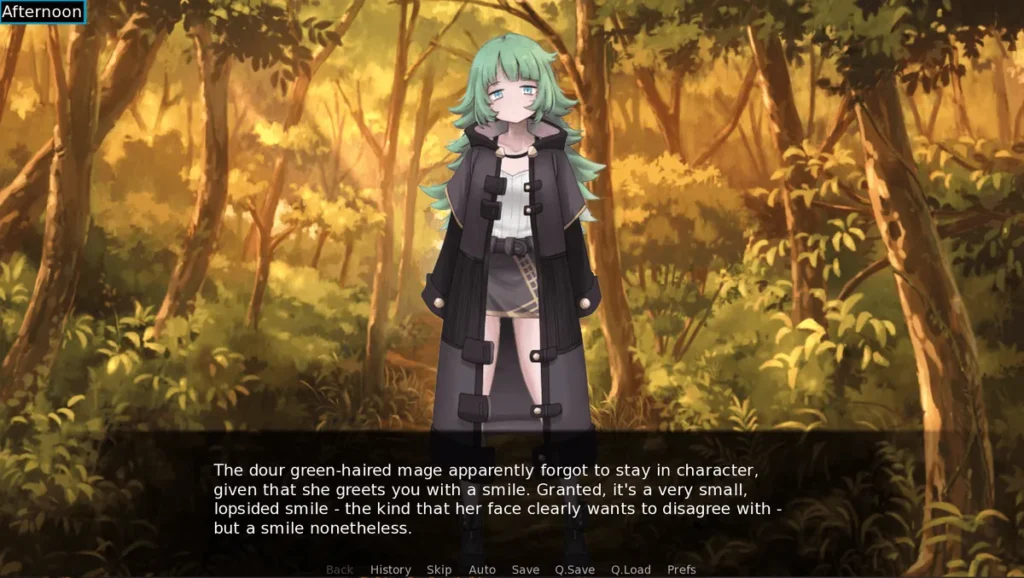
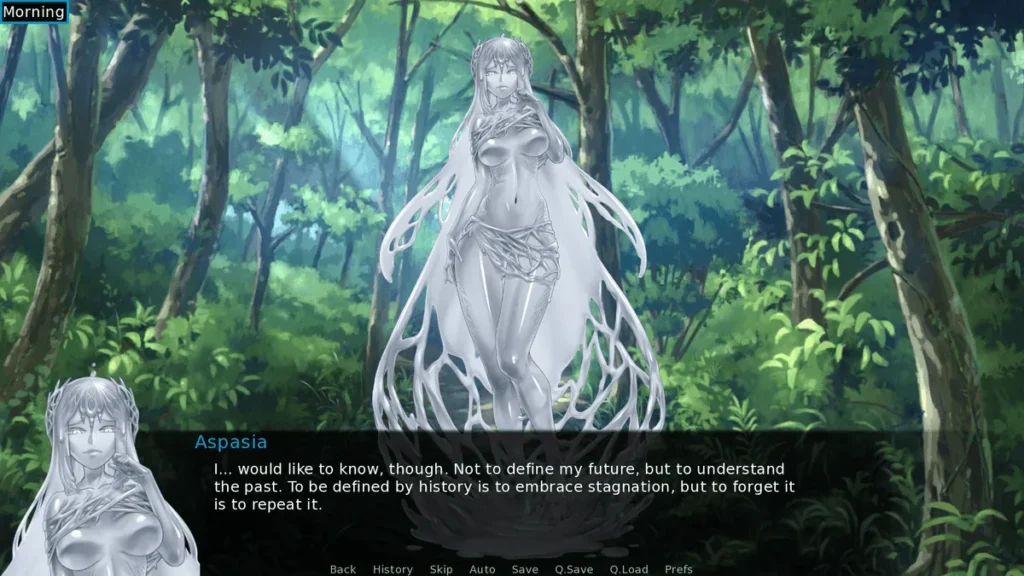
Divine Dawn review
Everything you need to know about this indie narrative experience
Divine Dawn stands out as a compelling indie title that prioritizes storytelling and character development alongside its mature content. Created by a debut developer, this game has garnered significant attention for its well-crafted narrative, distinctive character interactions, and surprising depth. Whether you’re interested in the game’s story elements, character dynamics, or what makes it unique within its genre, this guide covers everything you need to know about Divine Dawn and why it’s resonated with players looking for meaningful gameplay experiences.
Understanding Divine Dawn: Story, Setting & Core Gameplay
So, you’ve stumbled upon Divine Dawn in the vast sea of indie games. Maybe a friend whispered about its incredible writing, or you saw a screenshot of its stunning, painterly art. Whatever brought you here, you’re probably wondering: what’s the big deal? 🤔 In a market bursting with pixelated platformers and retro revivals, does another narrative-driven indie game really have something new to say?
Let me tell you, as someone who’s played more visual novels and story games than I care to admit, Divine Dawn isn’t just another title on the pile. It’s a masterclass in indie game storytelling that remembers the “game” part of the equation. It feels like discovering a hidden gem of a novel that also lets you live inside its pages. This isn’t about quick reflexes or complex skill trees; it’s about connection, consequence, and being genuinely surprised by where a story can take you.
This chapter is your guide to understanding the heart of this experience. We’ll peel back the layers on what makes this Divine Dawn indie game so special, explore the rich world it’s built upon, and, most importantly, show you how your decisions truly shape the journey. Buckle up—we’re diving deep.
What Makes Divine Dawn Stand Out in Indie Gaming? ✨
Walk into any digital game storefront, and the “indie narrative” section can feel paradoxically samey. Many promise “deep stories” and “meaningful choices,” but so few deliver on that promise in a way that feels fresh and substantive. Divine Dawn cuts through the noise with a confident, singular vision. It’s not trying to be everything to everyone; it’s a focused, character-led experience executed with remarkable polish.
From the moment you boot it up, several key features announce that you’re in for something different:
- A Commitment to Adult, Nuanced Writing: This isn’t a game afraid of complex themes or mature language. The dialogue crackles with personality, and the internal monologues feel authentic. The vocabulary is rich without being pretentious, and the humor lands because it’s born from character, not just quips.
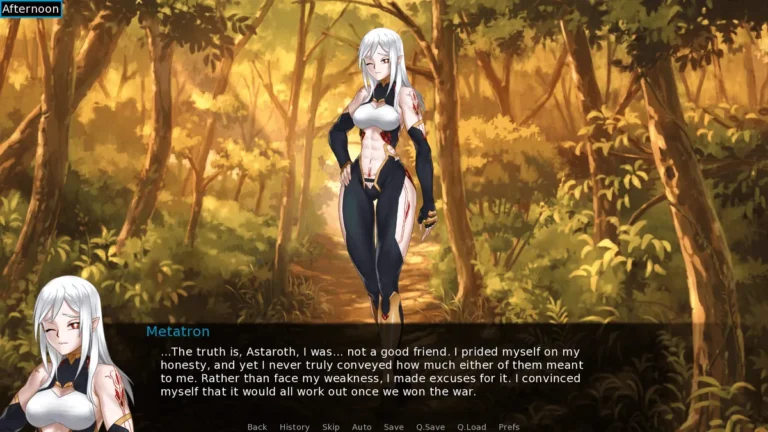
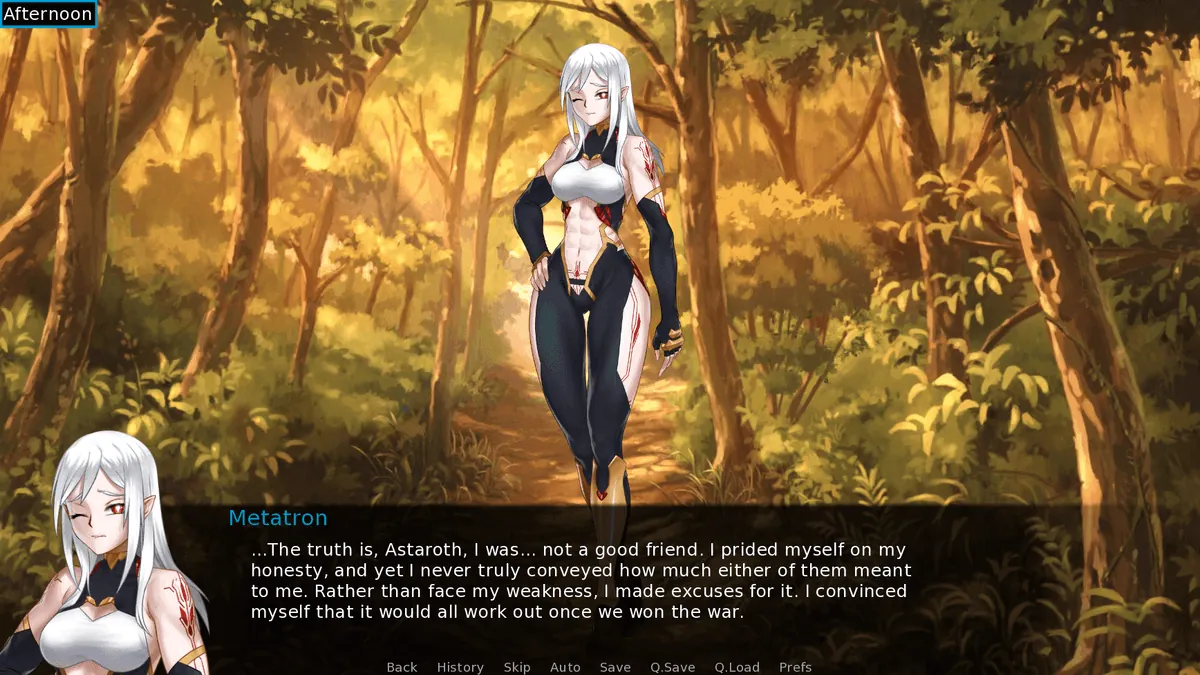
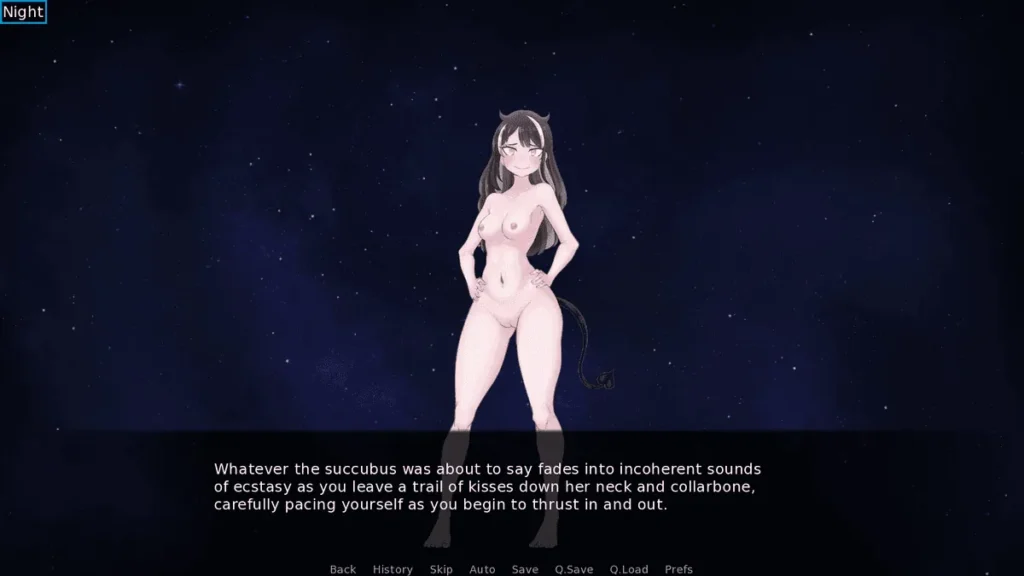
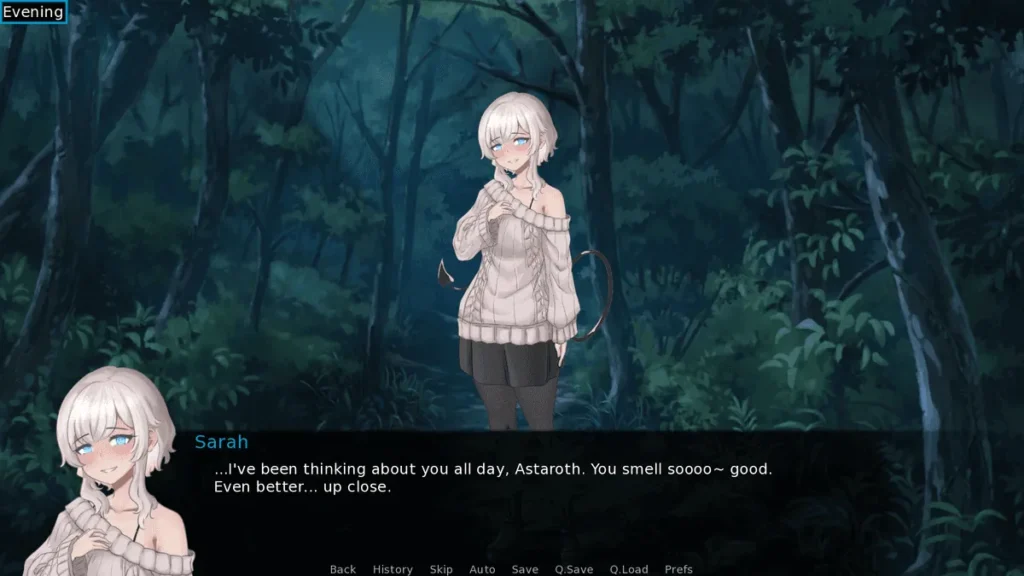
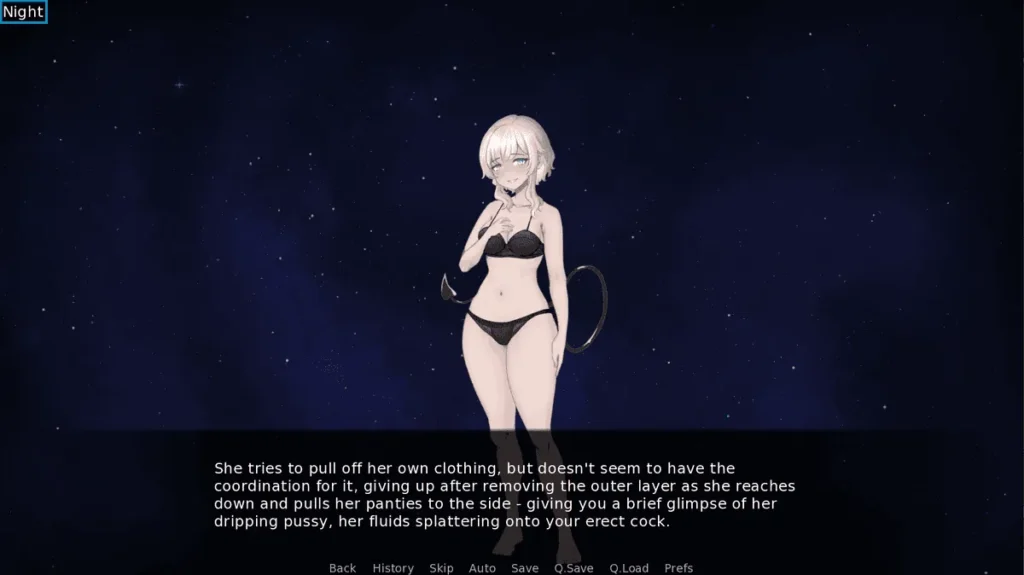
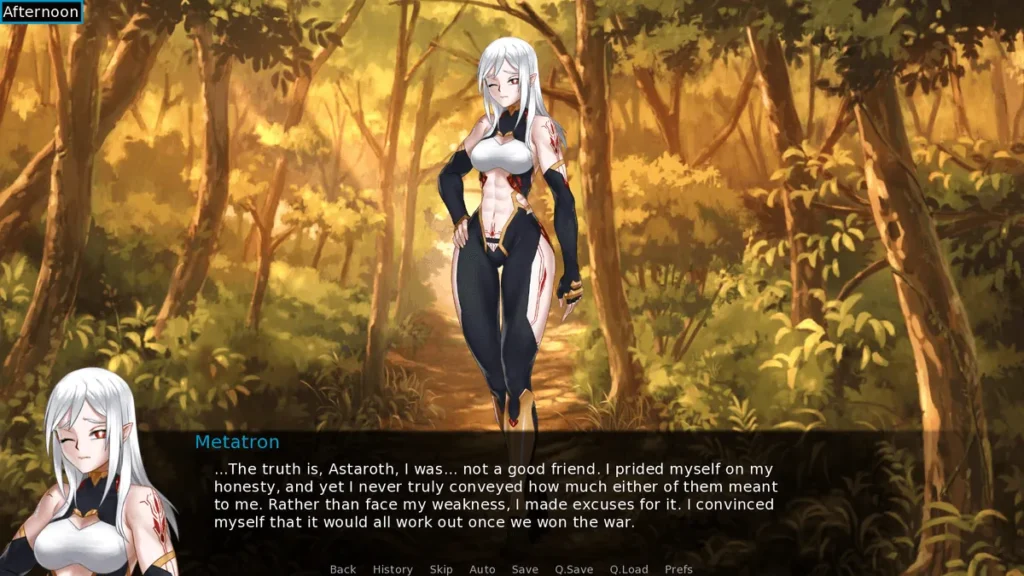
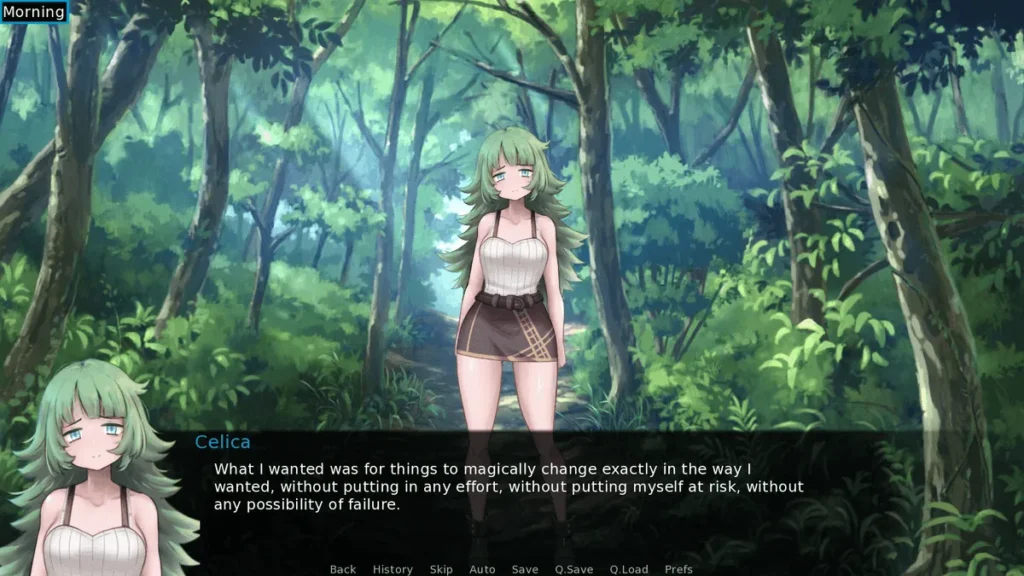
- Art That Serves the Story: Forget placeholder assets. Every background in Divine Dawn is a hand-crafted piece of evocative art. The character designs are detailed and expressive, conveying mood and history in a single glance. This production quality immediately hooks you and sells the reality of its world.
- Pacing That Respects Your Time (and Intelligence): Many story games take hours to find their footing. Divine Dawn understands the importance of a strong hook. Within the first thirty minutes, you’re presented with a compelling mystery, introduced to key characters with clear tensions, and faced with your first major, morally ambiguous decision. It trusts you to keep up.
- Depth Beyond the Hour Count: We’re talking about a script with a word count that rivals a hefty novel. But this isn’t filler. It’s all meaningful world-building, character development, and branching dialogue. The sheer density of content ensures that your journey feels substantial and replayable.
But for me, the real magic—the core of this Divine Dawn game review—is how it seamlessly blends all these elements. The art sets the tone, the writing builds the people, and your player choices give you stakes in their lives. It creates a powerful loop of engagement that’s hard to put down.
Story Foundation and World Building Elements 🌅
At its core, Divine Dawn is a story about rediscovery in the shadow of forgotten gods. You play as Leo, a weary Archivist returning to the remote, rainswept island of Caelis-Mora—a place once sacred, now largely abandoned after the mysterious “Quietude” silenced the old deities. Your official task is mundane: catalogue the remaining relics of a dormant faith. Your personal mission is something else entirely, a ghost from your past that pulled you back to these crumbling cliffs and misty forests.
The Divine Dawn story and characters are rooted in this incredibly tangible sense of place. Caelis-Mora isn’t just a backdrop; it’s a character. The developer’s indie game narrative design shines in the environmental storytelling. You’ll find water-stained journals in abandoned shrines, overhear fragments of superstition from the few remaining locals, and feel the weight of history in the architecture. The world feels lived-in, with a past that matters to the present.
The narrative foundation is a clever mix of the personal and the mythical. On one level, it’s a very human story about regret, reconciliation, and the search for purpose. Leo’s relationships—with the pragmatic local innkeeper, a cynical fellow scholar, and a mysterious islander who remembers the old ways—drive the emotional engine. Yet, this all unfolds against the eerie, lingering presence of the divine. Strange lights still appear in the forest. Certain relics hum with forgotten power. The line between folklore and fact is deliciously blurred.
Pro Tip: Pay close attention to the books and notes you find. The lore in Divine Dawn isn’t decorative; it often provides crucial context for character motivations and unlocks special, more insightful dialogue options later on.
This is where the game’s mature approach excels. It treats its fantasy elements with seriousness and its human drama with equal weight. A conversation about allocating village supplies can be just as tense as investigating a possibly haunted grove. This balance makes the world believable. The stakes feel real because you care about the people in it, and the mystical elements feel potent because they’re woven into the fabric of daily life and personal history. The Divine Dawn story and characters are inseparable from the mist and stone of the island itself.
Character Interactions and Player Agency 🎭
This is where Divine Dawn truly ascends from a great story to a great game. All that superb writing and world-building would be for nothing if you were just a passive spectator. But you’re not. You are Leo, and your personality, your curiosity, and your morals directly sculpt the narrative. This is character-driven gameplay in its purest form.
Every significant interaction in Divine Dawn is a conversation, and every conversation is a potential branching path. The dialogue system is deceptively simple. You’re often given 2-4 responses, but they aren’t just labeled “Good,” “Neutral,” or “Bad.” Instead, they reflect different attitudes: Inquisitive, Cynical, Empathetic, or Direct. Your choices consistently build a version of Leo. Are you a detached scholar here only for facts? A wounded soul seeking closure? A believer hoping to rekindle a spark of the divine? The game remembers.
Let me give you a concrete example from my first playthrough. Early on, I met Elara, a local who tends a dilapidated shrine. She spoke of feeling a “presence” there still. My options were to:
* (Empathetic) “The faith here must have meant a great deal to you.”
* (Inquisitive) “Can you describe the presence scientifically? A sound, a temperature shift?”
* (Cynical) “Ghost stories are good for tourism, I suppose.”
* (Direct) “I’m here for historical record, not superstition.”
I chose the empathetic route. This opened up a vulnerable conversation about her family’s history, which later allowed me to support her during a conflict with a skeptical townsfolk. In a subsequent playthrough, I picked the cynical option. Elara became guarded and dismissive. When that same conflict arose later, she refused my help, and that storyline thread was cut short, altering how a whole section of the island’s story unfolded for me.
This is the essence of Divine Dawn player choices. They aren’t about picking a red or blue ending five hours from now. They are constant, incremental shifts in relationship dynamics that ripple outward, changing who trusts you, what information you receive, and which paths through the story are even available. A character you befriend might volunteer a crucial clue. One you offend might withhold it, sending you down a more difficult, investigative path to discover it yourself.
The game’s brilliant indie game narrative design ensures these choices feel weighty. Characters have long memories. They will reference your past attitudes, and the game’s excellent writing ensures their reactions are nuanced—disappointment, gratitude, amusement—not just simple approval or disapproval ticks.
| Your Choice Type | Short-Term Effect | Long-Term Narrative Impact |
|---|---|---|
| Empathetic / Kind | Builds trust and intimacy. Characters share personal stories and secrets. | Unlocks supportive story branches, alternative solutions to problems, and deeper character resolutions. |
| Inquisitive / Analytical | Gathers more factual information and historical context about the world. | Reveals hidden lore, unlocks special dialogue about mysteries, and can provide practical advantages in puzzles. |
| Cynical / Dismissive | Creates distance. Characters may become defensive or sarcastic. | Can close off emotional pathways, but might open others based on mutual skepticism or a “tough love” dynamic. |
| Direct / Blunt | Gets straight to the point, sometimes skipping social niceties. | Accelerates certain plot points but can damage relationships, leading to more confrontational or isolated story routes. |
This system creates an unparalleled sense of agency. You’re not guiding a predefined hero through a plot; you’re co-writing a personality and witnessing how that personality changes the world around them. The Divine Dawn story and characters become a mirror, reflecting the version of Leo you choose to be. It’s this profound, interactive connection between player and narrative that defines the Divine Dawn indie game experience and sets a new benchmark for indie game storytelling. You finish the game not just with an ending, but with the distinct feeling that this story was, in some small way, uniquely and authentically yours.
Divine Dawn represents a significant achievement for a debut indie developer, successfully blending mature themes with genuine narrative depth and character development. The game’s strength lies in its commitment to storytelling quality, meaningful player choices, and well-crafted character interactions that go beyond surface-level content. With its impressive word count, thoughtful dialogue, and attention to player agency, Divine Dawn has established itself as a standout title that appeals to players seeking more than just entertainment—they want an engaging story with characters that feel real and choices that matter. If you’re looking for an indie game that takes its narrative seriously while delivering substantial content and memorable character moments, Divine Dawn offers a compelling experience worth exploring.