Artemis
Play Artemis
Artemis Screenshots


































Artemis review
Master every choice, romance path, and storyline in this acclaimed adult adventure game
Artemis stands out as one of the most compelling adult visual novels available today, combining intricate storytelling with meaningful player choices that genuinely impact your journey. If you’re diving into this game for the first time or looking to optimize your playthrough, understanding the mechanics, character relationships, and decision-making system is essential. This guide walks you through everything you need to know about Artemis, from initial setup to mastering complex romance paths and uncovering hidden content. Whether you’re interested in specific character routes or want to maximize your experience, we’ll help you navigate this richly detailed narrative adventure.
Understanding Artemis: Story, Setting & Core Gameplay Mechanics
So, you’ve heard the buzz about this Artemis visual novel game and you’re curious. Maybe a friend won’t stop raving about it, or you saw its stunning art pop up in your feed. But what is it, really? And why does it command such a passionate following? 🤔
Let me tell you, as someone who’s played my fair share of visual novels, Artemis isn’t just another title on the shelf. It’s an experience that redefines what the genre can do, blending a deeply human Artemis story and plot with some of the most intelligent Artemis gameplay mechanics I’ve ever encountered. If you’re wondering how to play Artemis for the best experience, the first step is to truly understand its heart and its rules. This guide is your starting point.
What Is Artemis and Why It Stands Out in the Visual Novel Genre
At its core, Artemis is a story about picking up the pieces. You step into the shoes of a character emerging from three years of self-imposed isolation, a shell of a person recovering from profound emotional trauma. Your journey isn’t about saving the world from a monster; it’s about rebuilding a life, relearning how to connect, and finding a reason to step back into the sunlight. 🌅
This alone sets it apart. Many visual novels parachute you into a fantastical scenario, but Artemis grounds you in a painfully relatable reality. The “adventure” here is internal and social. You’re not a chosen hero; you’re a hurt person trying to become whole again, and that vulnerability is its greatest strength.
But where the Artemis visual novel game truly shines is in its execution. It has garnered critical acclaim for a powerful trio:
* Exceptional Writing: The dialogue crackles with authenticity. Characters don’t just spout exposition; they joke, they deflect, they stumble over their words, they reveal their hearts in subtle ways. The prose is sharp, witty, and often deeply poignant.
* Unforgettable Character Depth: Forget cardboard cutouts. Every person you meet, from potential romantic partners to seemingly minor side characters, has layers, history, and motivations. Even antagonists are portrayed with a compelling humanity that makes their conflicts resonate.
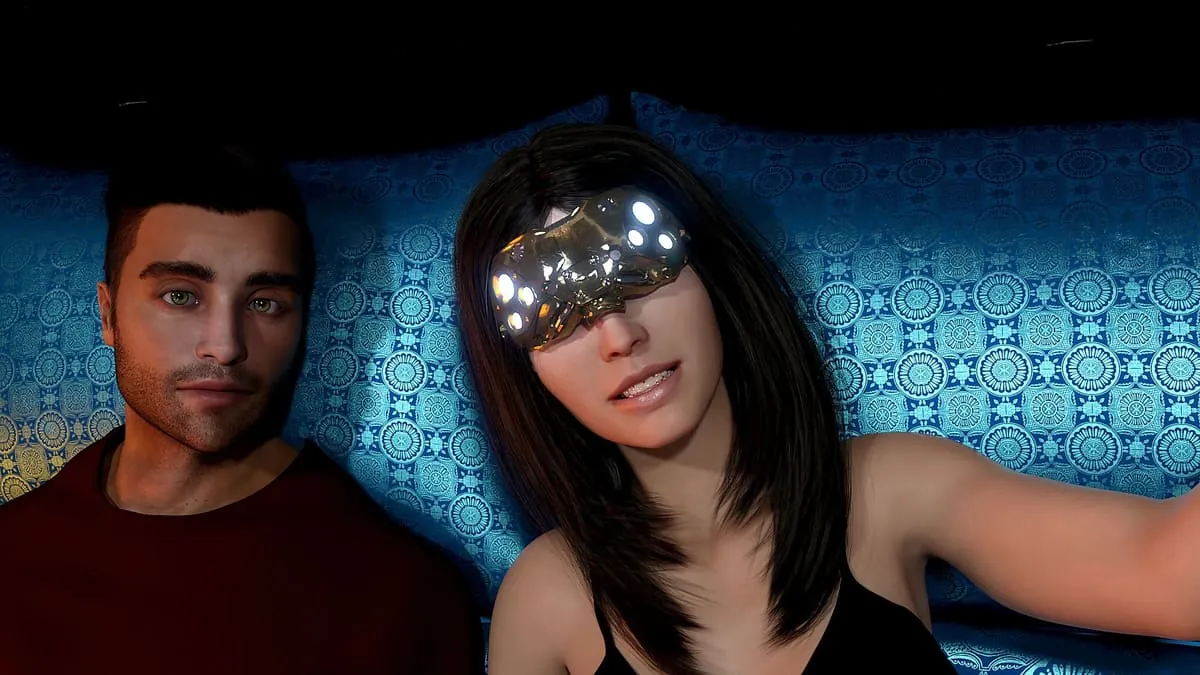
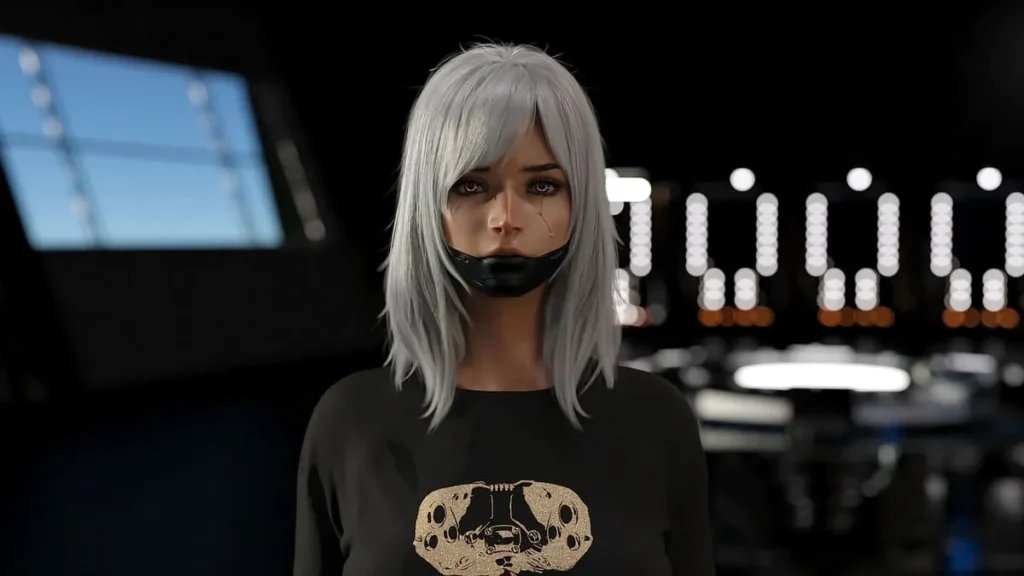
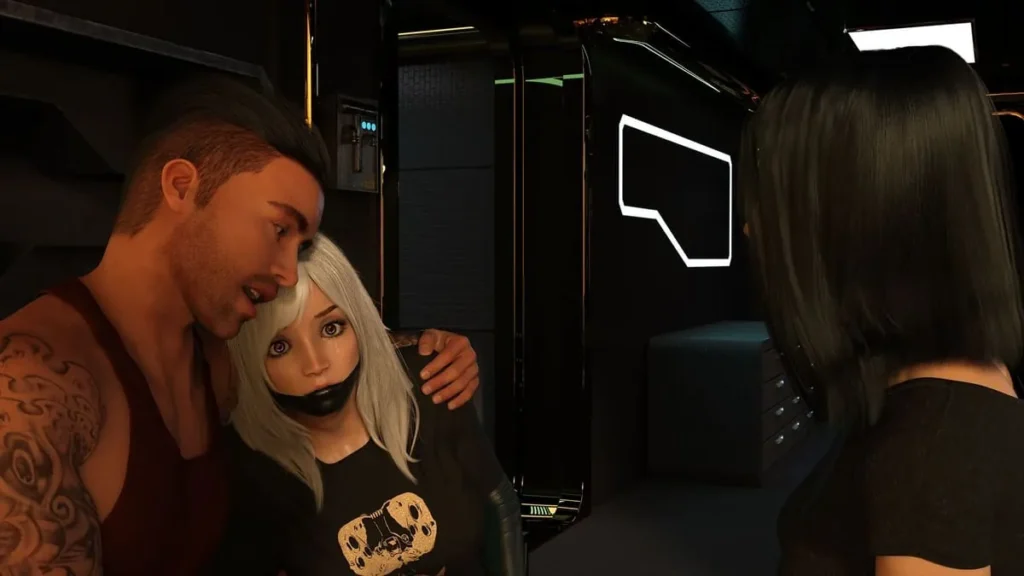
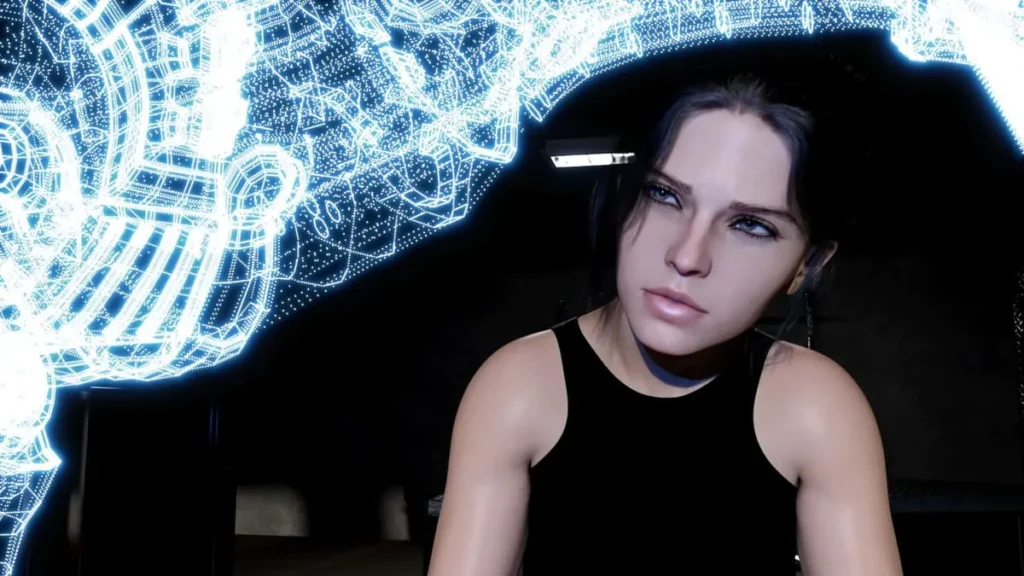
* Aesthetic Polish: Simply put, the game is gorgeous. It features above-average graphics and animations for the genre, with detailed character sprites, expressive facial animations, and beautiful backgrounds that make its world feel tangible and alive.
It’s this combination—a mature, psychological premise delivered with top-tier writing and presentation—that makes Artemis a landmark title. It treats its audience as adults, offering not just escapism, but reflection.
The Game’s Narrative Foundation: Recovery, Relationships & Personal Growth
The Artemis story and plot is built on a foundation of recovery. Think of your character as an emotional archaeologist, slowly brushing the dust off their own personality. The game brilliantly uses its structure—spanning multiple chapters and books—to mirror the slow, non-linear process of healing. Some days you make progress; some days you backslide. The story respects that reality.
Central to this recovery are the Artemis character relationships. These aren’t simple romance checkboxes. Each relationship is a complex web of friendship, past history, shared pain, and mutual support. A character might be a potential love interest, but first and foremost, they are a person your protagonist needs to learn to trust, and who must learn to trust you in return.
I remember in my first playthrough, I approached a dinner scene thinking I needed to be the “funny, charming guy” to impress a character. I chose all the quick-witted, slightly sarcastic options. The result? The character closed off, feeling like I wasn’t taking their shared, serious history seriously. The game punished superficiality and rewarded emotional honesty. It was a lightning-bolt moment that showed me this Artemis visual novel game was playing a completely different ball game.
This is the genius of its narrative design. The Artemis branching storylines aren’t about picking “Route A” or “Route B” from a menu. They grow organically from every micro-interaction. Will you confront your past or avoid it? Will you be there for a friend in crisis, even if it’s inconvenient? These choices weave together to form a story that feels uniquely yours, focusing on personal growth as much as, if not more than, romantic conquest.
How Choice Systems Work and Impact Your Playthrough
This brings us to the engine of the entire experience: the visual novel choice system. If you want to know how to play Artemis effectively, understanding this system is non-negotiable. This isn’t a game of obvious good/evil choices or clear romance flags. It’s a nuanced, cause-and-effect simulation of human interaction.
Here’s the key principle: Choices have logical, often delayed consequences. Every decision you make, from a seemingly throwaway line of dialogue to a major moral stance, is logged by the game. These choices influence your character’s developing personality, affect how others perceive you, and open or close pathways chapters later.
“I went into Artemis expecting a fun romance. I didn’t expect to be emotionally floored by how real the characters felt. My choices didn’t just change who I dated; they changed who my character was, and the story reflected that in ways that felt heartbreakingly authentic.” – A seasoned player’s testimonial.
Think of it like building a reputation. Are you becoming the “Kind Listener,” the “Defensive Joker,” or the “Confrontational Realist”? The game tracks these tendencies, and characters will react to the persona you’ve built. This is the core of the Artemis gameplay mechanics.
For example, consistently choosing supportive, empathetic options with a particular character will naturally deepen your bond, paving a path for romance. But it might also alter how you can resolve a conflict with another character who sees that empathy as weakness. There are no “right” answers, only authentic ones that shape your unique narrative.
To visualize the scope of your influence, consider this breakdown of what your choices directly affect:
| Choice Influences… | Short-Term Impact | Long-Term Consequence |
|---|---|---|
| Character Relationships | Immediate dialogue shift, character expression change. | Unlocking deep personal scenes, determining romantic eligibility, altering final chapter resolutions. |
| Protagonist’s Personality | Game may subtly note a tendency (e.g., “You chose to be humorous”). | Certain story branches or dialogue options become available/unavailable based on your established traits. |
| Plot Progression | Scene may end differently or transition to a new location. | Major plot points can be resolved peacefully or with conflict; some story arcs may be missed entirely. |
This design makes multiple playthroughs not just enjoyable, but essential to fully appreciate the Artemis branching storylines. My second time through, I made deliberately different choices and was stunned by how drastically a subplot unfolded. A character who was a friendly ally in my first run became a distant acquaintance, which completely changed the emotional weight of a later crisis. It felt like a different story.
So, what’s the practical, actionable advice before you start? Embrace the role-play. Don’t try to “game” the system on your first go. Think about who your character is after their trauma. Are they cautious? Are they trying too hard to be their old self? Make choices that feel true to that initial concept, and let the consequences, good and bad, wash over you. That’s where the magic happens. Save the guide-dang-it completionist run for later.
The Artemis visual novel game is a masterpiece of interactive storytelling because it understands that the most compelling drama comes from human connection. Its Artemis gameplay mechanics serve its profound Artemis story and plot, creating a world where your decisions in nurturing Artemis character relationships genuinely matter. By mastering its sophisticated visual novel choice system, you unlock the key to navigating its rich Artemis branching storylines and learning truly how to play Artemis. Now, with this foundation, you’re ready to step into the world and begin your own path to recovery. Your story awaits. ✨
Artemis delivers a sophisticated visual novel experience that rewards careful attention to character dynamics and meaningful decision-making. Whether you’re pursuing a specific romance route, collecting hidden content, or simply enjoying the compelling narrative, understanding the game’s mechanics and choice consequences significantly enhances your playthrough. The game’s strength lies not just in its intimate scenes but in the genuine emotional connections you develop with characters through thoughtful dialogue choices and strategic relationship building. By following this guide’s recommendations for early-game decisions, character affection management, and content discovery, you’ll unlock the full potential of what makes Artemis such a standout title in the visual novel genre. Take your time exploring different paths, embrace the replay value, and discover why so many players consider this game a masterpiece of interactive storytelling.