
Aperture
Play Aperture
Aperture Screenshots
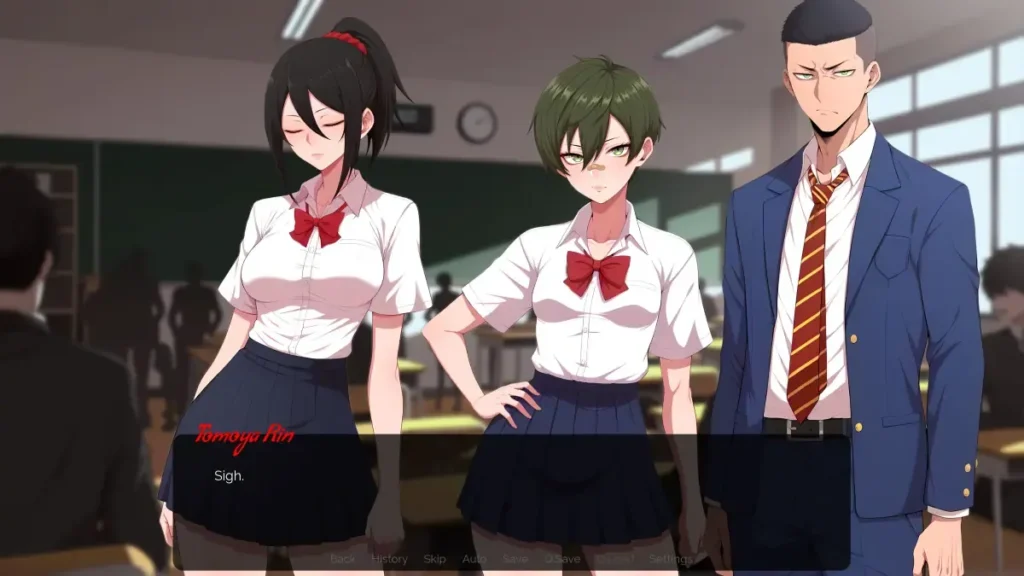
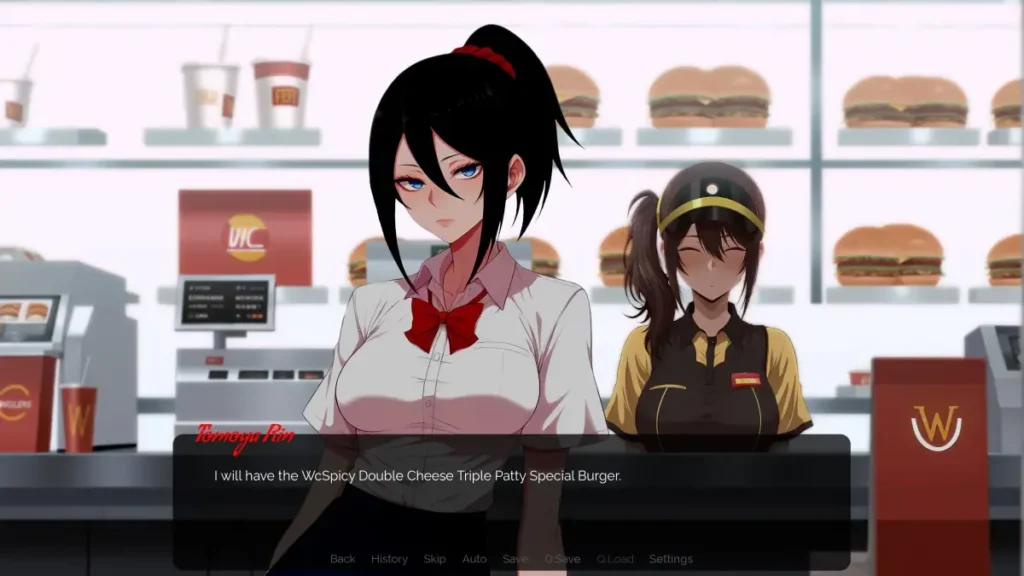
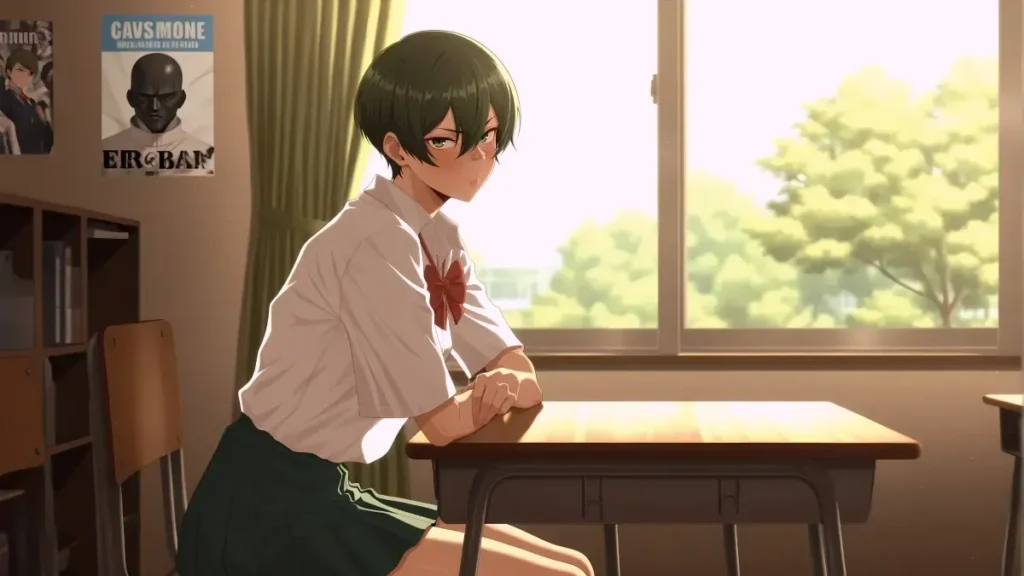
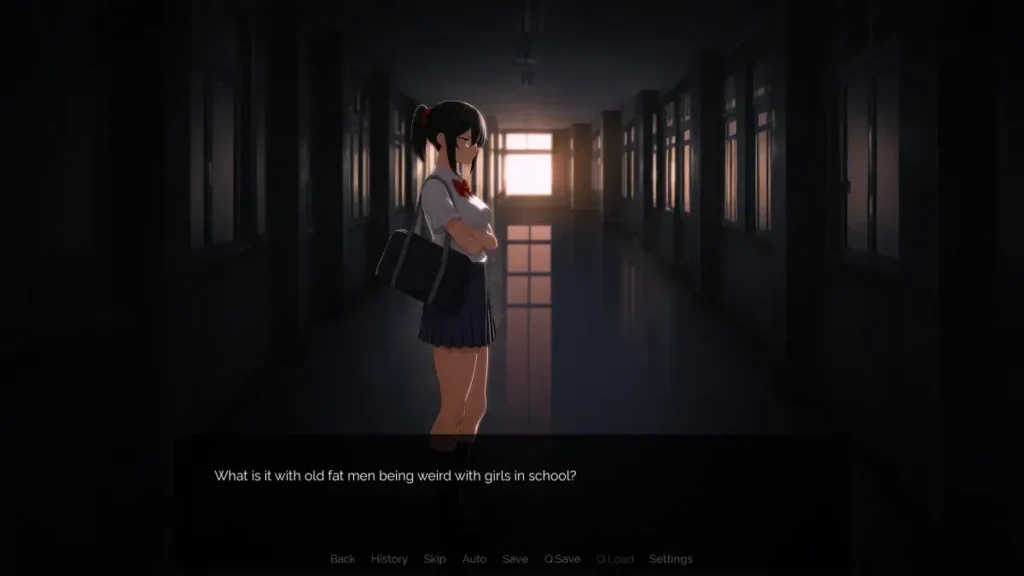



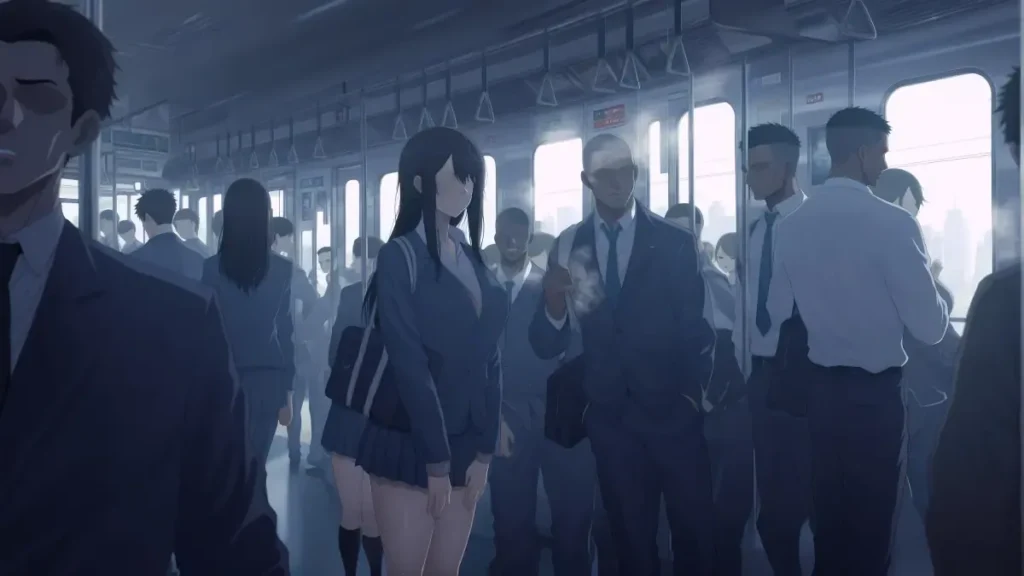
Aperture review
Dive into Hoshino Academy’s Dark Secrets and Steamy Twists
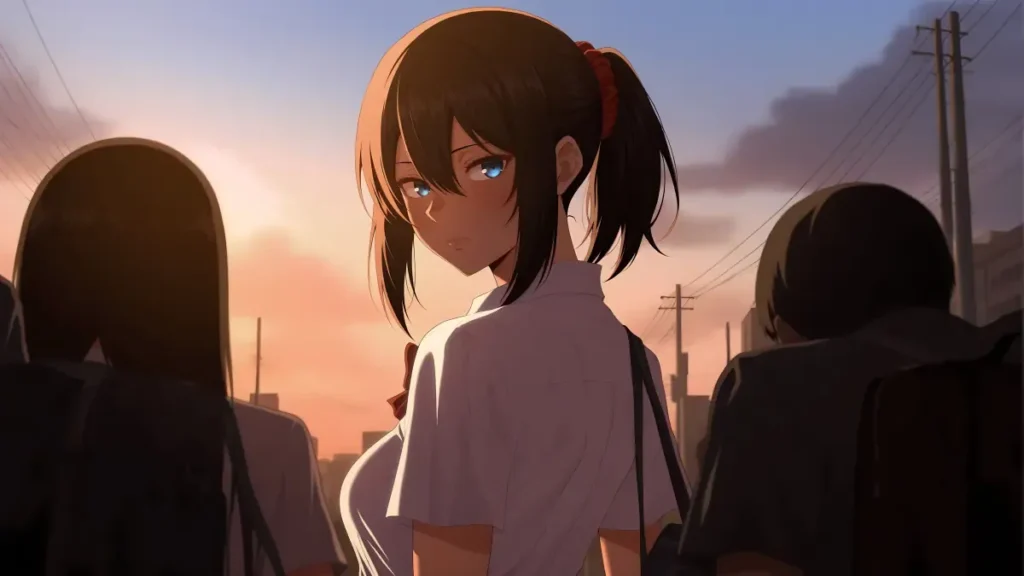
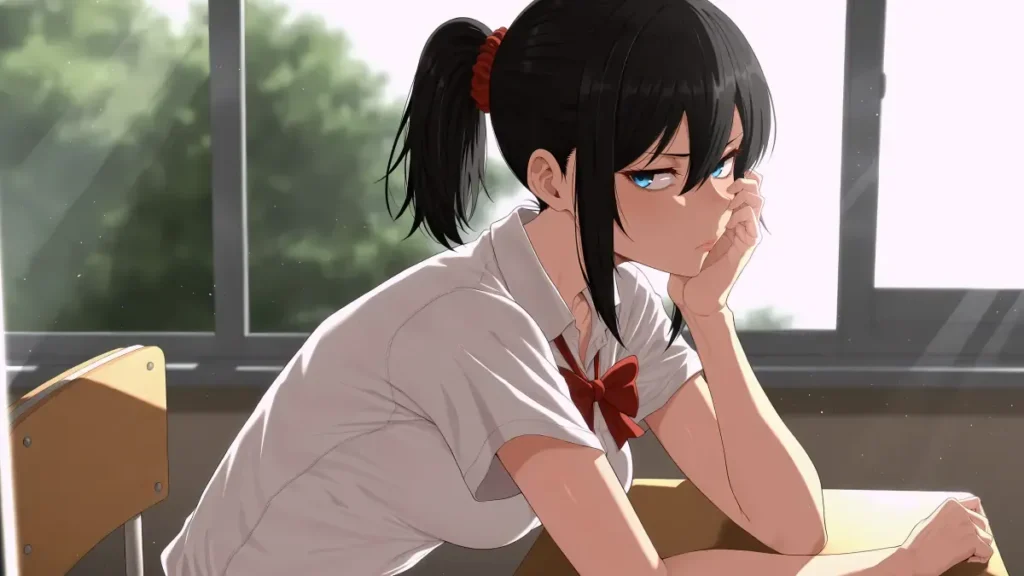
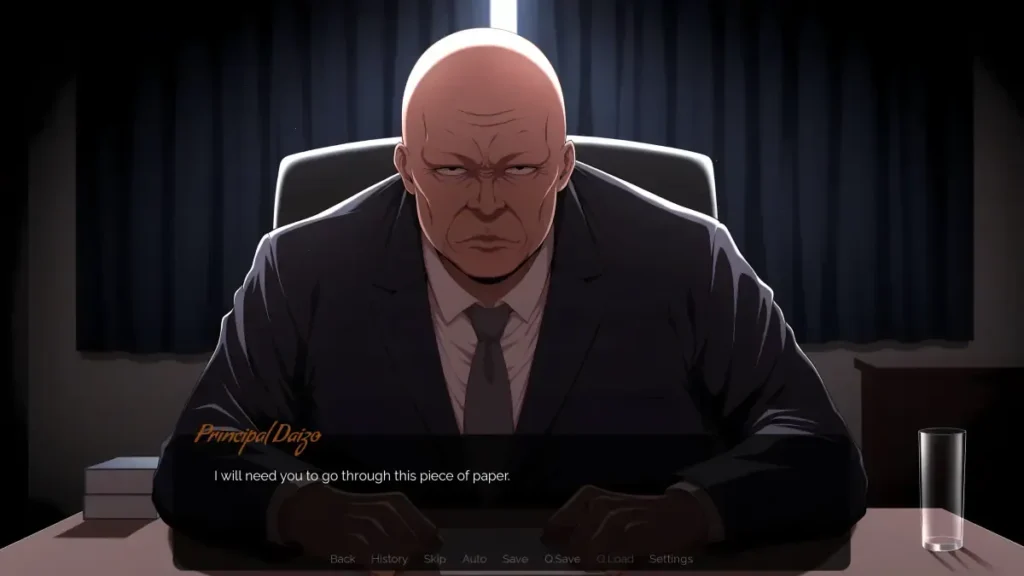
Ever stumbled into a game that hooks you with brain-teasing puzzles and then hits you with raw, emotional drama laced with steamy encounters? That’s Aperture in a nutshell—a visual novel masterpiece set in the elite Hoshino Academy. As Keita, you accidentally shatter Rin Tomoya’s camera on day one, thrusting you into her world of photography quests, slow-burning corruption, and heart-wrenching NTR twists. I’ve replayed it three times, each branch revealing deeper layers of manipulation by the sleazy principal Daizo. If you’re craving a mix of mystery, choice-driven stories, and intense adult scenes, Aperture delivers an unforgettable ride. Let’s unpack why it’s my go-to for immersive erotic gaming.
What Makes Aperture’s Gameplay and Story So Addictive?
Ever had a game grab you by the collar and refuse to let go? 😲 That was my first encounter with Aperture. I stumbled into it, quite literally, during a routine exploration of Hoshino Academy’s off-limits wing. My avatar bumped into Rin, the shy photography club member, sending her prized vintage camera clattering to the floor. That single, clumsy moment didn’t just crack her lens; it shattered the normalcy of her world and locked us into a compelling Aperture gameplay loop of repair, exploration, and escalating intimacy. What began as innocent photo expeditions to fund a replacement quickly spiraled into something far more intense—a journey through steamy encounters and a deeply unsettling Aperture NTR story that had me questioning every choice I made.
This chapter is all about dissecting that addiction. We’re going beyond the surface to explore how Aperture’s genius lies in the inseparable braid of its mechanical challenges and its emotional gut-punches. Get ready to dive into the puzzles that gatekeep passion, the choices that carve canyons of consequence, and the features that beg you to come back for just… one… more… playthrough. 🔁
How Does Aperture Blend Puzzles with NTR Drama?
At first glance, the two pillars of Aperture seem worlds apart. On one side, you have cerebral Aperture puzzles set in the Academy’s mysterious “test chambers”—rooms filled with laser mirrors, gravity-defying panels, and cryptic light-based riddles. On the other, you have a raw, personal narrative of slow corruption and shifting relationships. But here’s the magic: they feed each other.
Progress in the story is literally locked behind solving these chambers. You need those high scores to earn money and access new areas for your “photo shoots” with Rin. Aligning a series of mirrors to hit a receiver isn’t just a test of logic; it’s the key to affording a new lens, which leads to a more private shoot, which deepens your… involvement. The Aperture gameplay makes you work for every step closer you get to her, making those moments of intimacy feel strangely earned, yet loaded with guilt. The sound design amplifies this brilliantly—the crisp click of a solved puzzle, the whisper of fabric, the stark contrast that pulls you from cold, sterile science to heated, personal drama.
The puzzles themselves often metaphorically mirror the narrative. A chamber requiring you to redirect light through multiple obstacles feels eerily similar to manipulating the fragile social dynamics at the academy. One wrong move, one misaligned mirror, and the path forward is blocked. This isn’t just gameplay for its own sake; it’s Aperture’s way of making you feel the complexity and precariousness of the situation Rin is being drawn into.
Key Choices That Shape Your Emotional Journey in Aperture
If the puzzles are the lock, your choices are the turning key. Aperture is a masterclass in Aperture choice consequences. There are no simple good or bad options here; every decision shades Rin’s world and steers the emotional journey Aperture crafts. Will you encourage her independence or foster dependency? Do you protect her from the encroaching interest of others, or subtly enable it, driven by a mix of voyeurism and twisted affection?
Let me share a case study from my playthrough that haunts me. 🕵️♂️ Early on, I found a data pad detailing a senior student’s fascination with Rin. The game presented a choice: tell Rin about it to warn her, or hide it, thinking I could “handle” it myself. I chose to hide it. I solved the puzzles, earned the trust, and progressed the scenes. It felt like the right play, keeping her innocent and focused on us. But later, that very secret exploded. When she discovered I’d withheld that information, a pivotal scene of trust fractured. Her dialogue changed, her posture became guarded, and it directly unlocked a narrative branch where she felt more isolated and vulnerable to other influences. One meaningful choice, hidden in what seemed like a trivial piece of lore, rippled out to alter her entire character arc.
This is the core of the Aperture NTR story. It’s not just about witnessing events; it’s about your complicity. Your anxiety as a player mirrors the tension in the story. The Aperture gameplay loop of puzzle-score-scene becomes a cycle of anticipation and dread. You’re pushing forward, both to see the next tantalizing scene and to discover just how deep the damage from your last decision will go.
Unlocking Hidden Paths and Replay Features in Aperture
You cannot experience everything Aperture has to offer in one sitting. That’s not a flaw; it’s the design. The game’s replay features are a massive part of its addictiveness, transforming it from a linear story into a personal playground of narrative possibilities.
Think of your first playthrough as viewing a single, haunting portrait. Every replay lets you step back and see the entire gallery, understanding how each frame connects. How to play Aperture effectively means embracing this iterative process. New choices unlock different test chambers, alternative intimate scenes (with variations like focused moments of passion), and ultimately, one of several drastically different endings for Rin. Did she find a grim resolution? A hollow victory? Or a tragic end? Your path dictates it.
| Feature | What It Changes | Player Motivation |
|---|---|---|
| Narrative Branches | Completely different outcomes, key scenes, and character resolutions. | To see the full scope of the story and Rin’s fate. |
| Chamber & Partner Customization | Alters aesthetics of puzzle rooms and visual details of intimate moments. | Personalize the experience and discover subtle new visual storytelling cues. |
| Director’s Commentary Mode | Unlocks dev insights on puzzle design, narrative intent, and thematic symbolism. | Gain a deeper appreciation for the game’s crafted layers and hidden details. |
| Difficulty Modes | Adds puzzle layers (more complex mirrors, timers) for greater score multipliers. | Challenge mastery and unlock exclusive, high-score-only scenes or angles. |
| Collection Logs | Documents discovered data pads, CGs, and alternate dialogue lines. | The drive for 100% completion and uncovering every hidden secret. |
The push for high scores isn’t just for bragging rights; it’s often the key to accessing these hidden narrative vaults. > Pro Tip: Focus on mastering puzzles for high scores on repeat runs. Many of the most revealing alternate scenes and endings are locked behind specific score thresholds in later chambers.
This is where the Aperture replay features shine. You’re not just repeating content; you’re investigating. You approach a familiar chamber with new knowledge, both of its puzzle solution and of the story consequences that follow it. You make the opposite choice just to see the ripple effect. The superb high-quality animations and nuanced voice work take on new meaning from a different perspective, revealing layers of emotion you missed the first time.
So, why does it keep us hooked? 🤔 Because Aperture respects your time and intelligence. It offers a rich, emotional story but refuses to serve it all on a platter. It demands participation, contemplation, and repetition. The Aperture gameplay challenges your mind, the Aperture NTR story unsettles your heart, and the brilliant integration of the two creates a unique, sticky addiction. You return to solve the puzzles, yes, but also to solve Rin—to see if a different version of you could have guided her to a different light.
- Scan every corner for hidden data pads early – They often contain foreshadowing that makes later choice consequences clearer.
- Don’t shy away from “negative” choices on a replay – The most tragic paths often contain the most powerful storytelling in the emotional journey Aperture provides.
- Experiment with chamber customization – Sometimes a visual change can highlight a narrative symbol you previously overlooked.
- Use Director’s Commentary on a second run – It will completely reframe how you see both the puzzles and the story beats.
Aperture isn’t just another visual novel—it’s a gripping tale of corruption and desire that lingers long after the credits roll. From Keita’s fateful camera smash to Rin’s heartbreaking descent amid Hoshino Academy’s shadows, every choice pulls you deeper into its web of puzzles, steamy encounters, and raw emotion. My multiple playthroughs uncovered branches I never imagined, each more intoxicating than the last. If you’re ready for a game that challenges your mind and stirs your passions, grab Aperture now and start your journey. What ending will you chase first? Dive in and find out—your next obsession awaits.