
2Sides
Play 2Sides
2Sides Screenshots








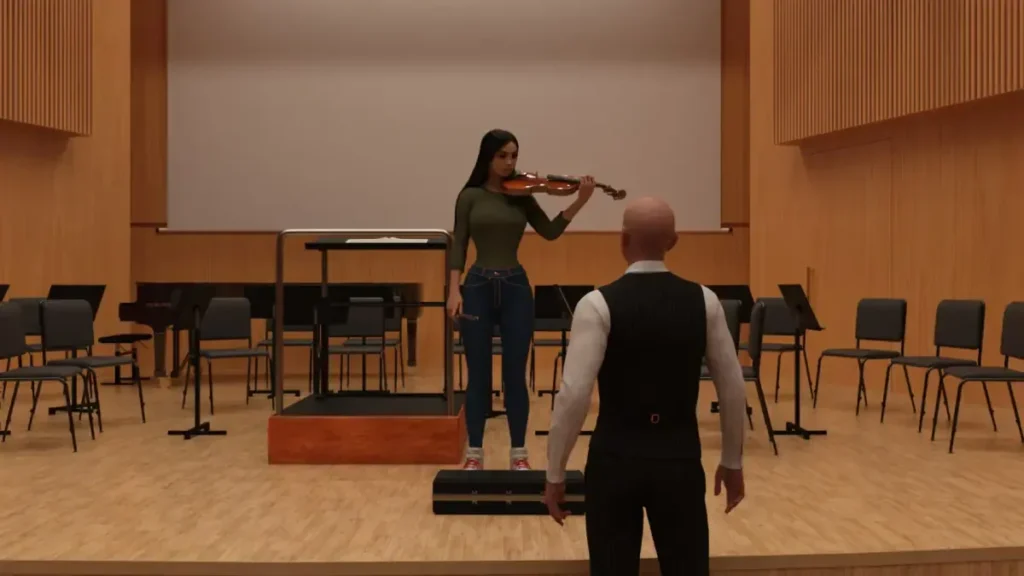
2Sides review
Explore gameplay mechanics, character development, and immersive storytelling in this interactive experience
2Sides stands out as a unique interactive experience that blends narrative-driven storytelling with player choice mechanics. This game has garnered attention for its innovative approach to character interaction and branching storylines that adapt based on your decisions. Whether you’re new to the title or looking to deepen your understanding of its mechanics, this guide covers everything you need to know about what makes 2Sides a compelling experience. From its core gameplay systems to the intricate character relationships, we’ll explore the elements that define this interactive journey and help you make the most of your playthrough.
Understanding 2Sides: Core Gameplay and Mechanics
Let me tell you about the first time I truly understood the 2Sides game mechanics. I was having a tense conversation with Aris, the cynical historian, about whether to trust a mysterious faction. I chose a line of dialogue I thought was diplomatically clever. Instead of nodding along, he scoffed, called me naïve, and our entire relationship cooled visibly. The options for our next interaction were suddenly limited and formal. I had to completely rethink my approach to the entire storyline because of that one exchange. That’s the moment 2Sides clicked for me—it’s a world that listens, remembers, and reacts.
This isn’t just picking options from a list; it’s weaving your own unique thread into a living tapestry. The genius of this title lies in how every system—dialogue, relationships, plot—is interconnected, creating a deeply personal choice-based narrative gameplay experience where your fingerprint is on every outcome.
What Makes 2Sides Unique in Interactive Gaming? 🎮
At its heart, 2Sides is built on a simple, powerful promise: your voice is the primary controller. Forget complex combat combos or intricate crafting trees. The core skill here is empathy, foresight, and understanding consequences. The game presents you with a richly woven narrative and a cast of complex characters, then hands you the pen to co-author the story.
What sets it apart is the sheer depth of its cause-and-effect engine. Many games promise that “choices matter,” but in 2Sides, this isn’t a marketing slogan—it’s the foundational code. The game’s branching storyline system doesn’t just create a few divergent endings; it creates unique narrative pathways that shift and diverge from the very first scene. A kindness shown to a minor character in Chapter 1 might open a crucial door of assistance in Chapter 4 that would otherwise remain locked. A secret you choose to keep might fester and create conflict down the line.
The interface itself reinforces this philosophy. It’s clean, intuitive, and designed to immerse you in the conversation. You’ll navigate beautifully rendered scenes, focusing entirely on the characters and their subtle expressions. Making a choice often feels less like a game prompt and more like a genuine moment of thought, as you weigh the tone and potential fallout of each possible thing to say. Learning how to play 2Sides is less about mastering controls and more about learning to read a room and understand the people in it.
How Choice-Based Mechanics Shape Your Experience ⚖️
Every interaction in 2Sides is a building block for your story. The player decision impact is both immediate and long-term. Let’s break down a typical scenario to see the 2Sides game mechanics in action.
Example: The Council Dispute
You’re in a heated meeting between two community leaders, Elena and Kael. Elena wants to use scarce resources to fortify defenses, fearing an external threat. Kael insists the resources must go to caring for the sick and hungry within the walls. You have the deciding voice.
- Choice A (Support Elena): “Safety must be our priority. We can’t help anyone if we’re overrun.” This boosts your relationship with Elena, marking you as pragmatic and decisive. Kael’s faction becomes wary. Later, your defenses are stronger, but you may face internal discontent or a health crisis you’re less equipped to handle.
- Choice B (Support Kael): “A community is its people. We must protect their health and spirit first.” This earns Kael’s deep trust and the gratitude of the common folk. However, Elena and her guards question your strength. When a threat does appear, you may find your walls weaker and your military options limited.
- Choice C (Propose a Compromise): “What if we split the resources, and all able hands work on both projects?” This seems diplomatic, but it carries risks. Both leaders might see you as indecisive, weakening their respect. Or, it could spark a new, cooperative solution that neither had considered, unlocking a unique story branch focused on unity.
This is the essence of choice-based narrative gameplay. There’s rarely a canonical “good” or “bad” choice, only your choice and its authentic consequences. The game tracks hundreds of these decision points, creating a web of variables that dictate which scenes you see, which conversations are available, and ultimately, which of the game’s many conclusions you reach.
My Personal Tip: Don’t try to “game” the system on your first playthrough. Go with your gut. The most rewarding way to experience how to play 2Sides is to role-play authentically and live with the consequences. The replay value comes from making different gut calls next time!
A typical playthrough can take anywhere from 10 to 15 hours, but that’s just for one path. The real length is multiplied by the compelling urge to go back and see “what if…?” This incredible replayability is the direct result of its robust branching storyline system.
Character Interaction Systems and Relationship Building 💬
If the plot is the skeleton of 2Sides, then the interactive character relationships are its beating heart. Every major character has a dynamic Affinity meter that isn’t just a simple “like/dislike” bar. It’s a multi-faceted reflection of how they perceive your character’s values: Trust, Respect, Fear, Affection, and Rivalry can all be tracked independently.
Your 2Sides dialogue choices are the primary tool for shaping these relationships. A sarcastic joke might build Rivalry with a stern character but increase Affection with a quick-witted one. Taking a bold risk might earn Respect but lower Trust if it seems reckless. The game’s dialogue system is context-aware; the options you see are filtered by your existing relationship history with that character. Someone who distrusts you won’t offer you their vulnerable confidences as a dialogue option.
These relationships are the keys that unlock the story. A high level of Trust with a character might lead them to share a crucial secret, opening a whole new mission path. A relationship marked by intense Rivalry might force you into a direct confrontation you can’t avoid. The player decision impact on these bonds is permanent within a playthrough, making every conversation feel significant.
To see how this works in practice, let’s look at how different relationship states with a character like “Maya,” a idealistic scout, can alter your game:
| Relationship State | Available Dialogue Tone | Story Branch Influence |
|---|---|---|
| Trusted Ally (High Trust/Affection) | Personal, vulnerable options. She shares fears and hopes. You can give her direct advice. | She may volunteer for dangerous missions to help you, or confide a secret that leads to a peaceful resolution path. |
| Respected Leader (High Respect/Medium Trust) | Professional, strategic options. Conversations focus on plans and duty. | She follows orders reliably and may develop clever tactical suggestions, unlocking efficient but impersonal mission outcomes. |
| Strained & Suspicious (Low Trust/High Rivalry) | Guarded, confrontational, or sarcastic options. She questions your motives. | She might act independently against your wishes, create obstacles, or even become a narrative antagonist in certain branches. |
| Neutral Acquaintance (All metrics neutral) | Basic, factual dialogue. Limited emotional or strategic depth. | She remains a background character, fulfilling her base role without influencing major plot twists or providing unique aid. |
This system makes every interaction a meaningful piece of character development. You’re not just unlocking their backstory; you’re actively shaping who they become in the context of your story. Will the jaded soldier rediscover their hope because of your actions? Will the optimistic youth become cynical if your choices repeatedly betray their ideals? This profound interactive character relationships system means you are not just developing your own character but the entire cast around you.
The 2Sides game mechanics ultimately fuse into one seamless experience. Your dialogue choices build relationships, which unlock unique story branches within the larger narrative system, which in turn present you with even more impactful decisions. It’s a beautifully crafted loop of agency and consequence.
So, as you begin your journey and learn how to play 2Sides, remember: speak carefully, listen closely, and choose deliberately. The world is not just reacting to you—it’s being built by you, one conversation at a time. Your story is waiting to be written.
2Sides delivers a compelling interactive experience that prioritizes player agency and meaningful choices. The game’s strength lies in its intricate character relationship systems and branching narrative design, where your decisions genuinely shape the story you experience. Whether you’re drawn to narrative-driven games, character-focused storytelling, or the satisfaction of exploring multiple story paths, 2Sides offers a rich experience worth exploring. The replayability factor ensures that each playthrough can feel distinctly different based on your choices, encouraging players to discover new dialogue, character interactions, and story outcomes. If you’re considering diving into 2Sides, approach it with an open mind about how your decisions will ripple through the narrative, and don’t hesitate to replay scenes to explore alternative paths and character relationships.